
Giving Scraps a Second Life
In the quest for a more sustainable kitchen, one of the easiest changes is to rethink what we consider waste. An estimated 30% to 40% of the food supply in some countries ends up in landfills, and vegetable scraps are a major contributor. But parts like
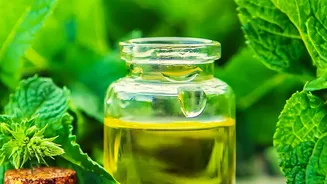
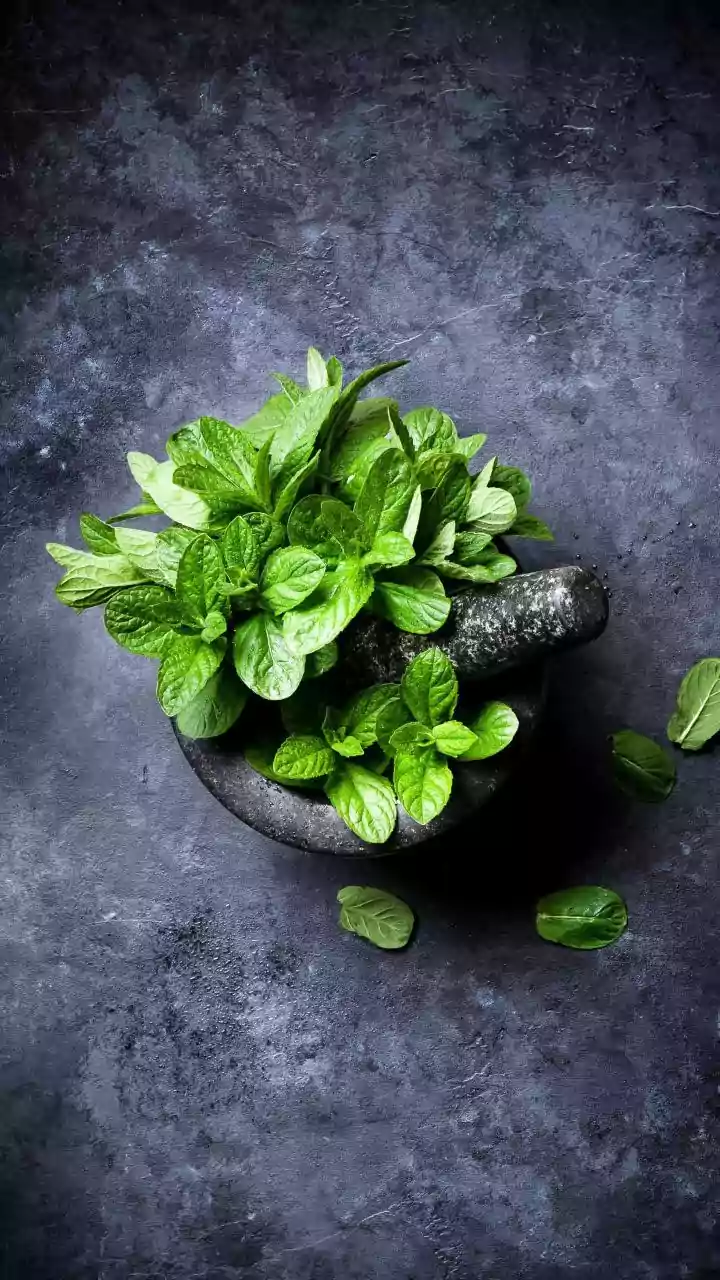
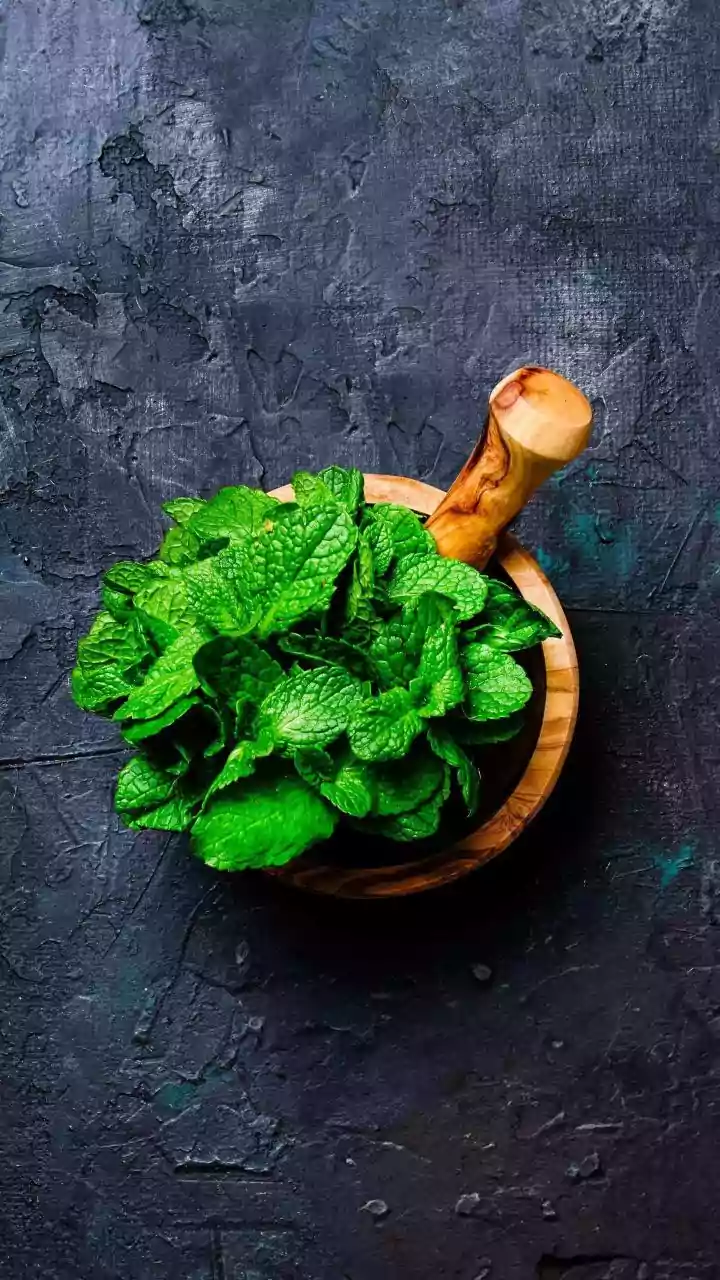
herb stems, which are often discarded, are packed with flavour and nutrients. Coriander and mint stems, in particular, hold the same bright, fresh notes as their leaves. By upcycling them into an infused oil, you not only reduce food waste but also create a versatile new ingredient for your pantry. It’s a simple act of culinary alchemy, turning something you would have thrown away into a flavour-packed asset.
The Importance of Food Safety
Before we dive in, a crucial note on safety. Infusing oil with fresh ingredients like herbs creates an oxygen-free environment where the bacterium Clostridium botulinum can thrive if not handled correctly. This bacterium, which can be present on fresh produce, may produce a dangerous toxin. To eliminate this risk, it is essential to follow preparation and storage guidelines carefully. The two primary safe methods for home infusion involve either using thoroughly dried herbs or employing a heated process. Both methods, combined with proper refrigeration, ensure your delicious creation remains safe to eat. Always start by sterilizing your glass bottles or jars by boiling them for at least 10 minutes.
Choosing Your Ingredients
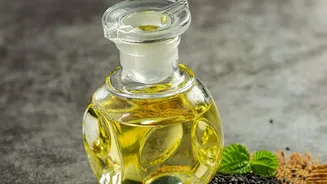
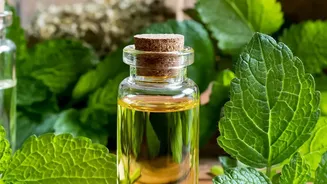
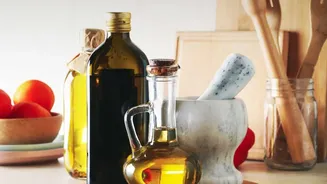
The beauty of this recipe lies in its simplicity. You'll need a good handful of leftover coriander and mint stems, and a quality oil. For the oil, a neutral-flavoured option like grapeseed, sunflower, or a light olive oil works best, as it allows the herbs' flavours to shine through without being overpowered. If you enjoy the peppery notes of a robust olive oil, feel free to use it, but be aware it will be a dominant flavour. For the herbs, ensure the stems are fresh and free from any blemishes. Wash them thoroughly and—this is the most critical step—pat them completely dry with a clean cloth or paper towels. Moisture is the enemy in infused oils as it can encourage bacterial growth.
A Step-by-Step Guide to Infusion
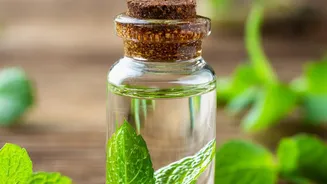
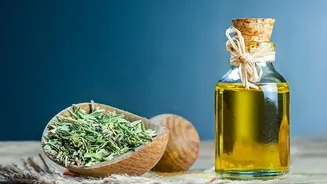
This heated method is safe, easy, and effectively extracts the aromatic compounds from the stems. First, gently heat about one cup of your chosen oil in a small saucepan until it reaches approximately 80°C (180°F). You don't want it to simmer or smoke. Once heated, turn off the flame and add your clean, dry coriander and mint stems. Let the stems steep in the warm oil as it cools down, for at least an hour or until it reaches room temperature. The warmth helps to release the essential oils from the stems into the carrier oil. Once cooled, strain the oil through a fine-mesh sieve or cheesecloth into your sterilized bottle, making sure to remove all plant material.
Storage and Shelf Life
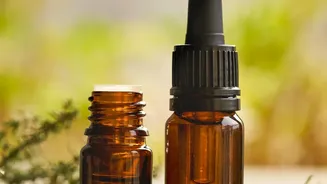
Because you have used fresh herbs, your infused oil must be stored in the refrigerator to prevent the growth of harmful bacteria. It should be used within four days for maximum safety and freshness. If you notice any cloudiness, bubbling, or off smells, discard the oil immediately. For longer-term storage, the oil can be frozen. A simple trick is to pour it into an ice cube tray, which allows you to pop out a single serving of flavour whenever you need it. Storing the oil in a dark-coloured bottle can also help protect it from light, which can cause the oil to go rancid more quickly.
Ways to Use Your Infused Oil
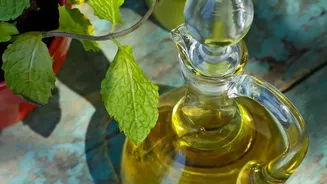
Your homemade coriander and mint oil is a wonderfully versatile condiment. Its bright, herbaceous flavour is perfect for finishing dishes. Drizzle it over grilled fish, chicken, or roasted vegetables for a fresh final touch. Use it as a base for a vibrant salad dressing by whisking it with lemon juice, salt, and pepper. It can be stirred into soups, blended into dips like hummus, or used to add a pop of flavour to a simple bowl of rice or pasta. You can even use it as a flavourful dipping oil for fresh bread. Let your creativity guide you.