



The Squat: Your Foundation for Power
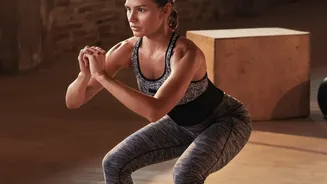
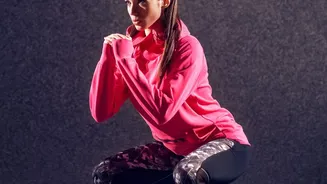
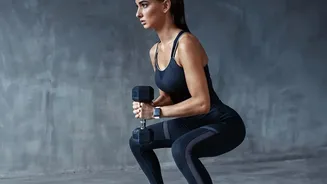
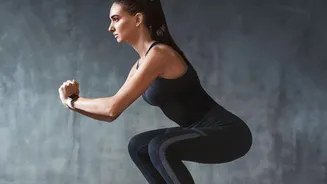
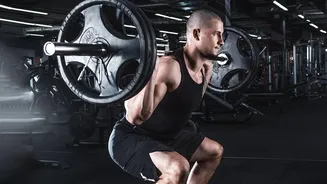
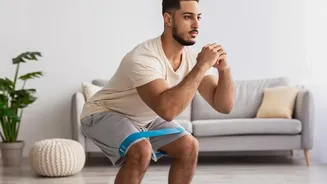
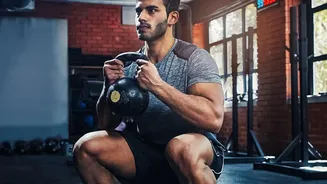
The squat is often called the king of lower-body exercises for a good reason. It’s a compound movement, meaning it works multiple major muscle groups at once, making it incredibly efficient for building overall strength. When you perform a squat, the primary
muscles doing the heavy lifting are your quadriceps (the front of your thighs), your gluteus maximus (the largest muscle in your buttocks), and your hamstrings (the back of your thighs). Because you use both legs simultaneously in a stable, bilateral stance, you can typically lift heavier weight, which is crucial for building raw power and muscle mass. Your core muscles, including your abs and lower back, also work hard to keep your torso stable and upright throughout the movement.
The Lunge: A Master of Balance and Precision
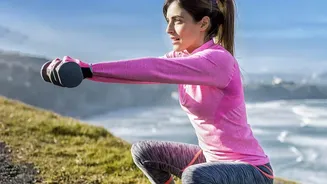
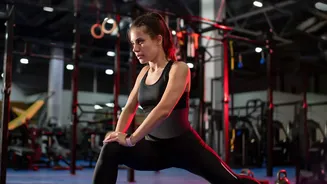
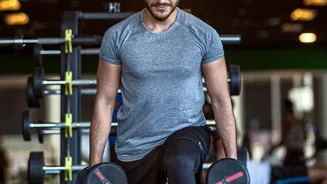
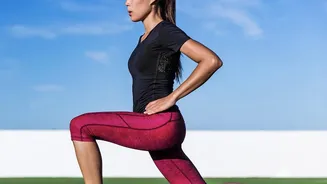
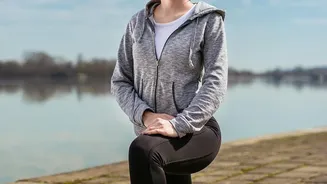
While squats build foundational strength, lunges bring a different set of benefits to the table. A lunge is a unilateral exercise, meaning it works one leg at a time. This immediately challenges your balance and coordination, forcing smaller stabilizing muscles in your hips and core to fire up. The primary movers are still the quads and glutes, but the emphasis can shift. For instance, taking a longer step can engage the glutes more, while a more upright posture tends to focus on the quads. Because each leg works independently, lunges are fantastic for identifying and correcting muscle imbalances between your left and right sides, which can help prevent injuries down the line.
Squat vs. Lunge: The Core Differences
So, what's the main takeaway? Squats are about building maximum strength and power with a stable, two-legged base that allows for heavy loads. Think of them as your tool for overall leg development. Lunges, on the other hand, are about functional strength, balance, and single-leg stability. They are essential for improving coordination and ensuring that both legs are equally strong. While both exercises target the quads, glutes, and hamstrings, squats generally allow for greater activation for power, while lunges bring in more of the smaller, stabilizing muscles like the gluteus medius to keep you steady. An effective workout routine uses squats for the heavy lifting and lunges for refinement and stability.
Sonam's Approach: Why Both Are Essential
A balanced physique like Sonam Bajwa's isn't built on a single exercise. Her routine, which includes both squats and weight training, highlights the importance of a comprehensive approach. By incorporating both squats and lunges, you get the best of both worlds. Squats build the powerful, strong foundation for your lower body, while lunges help to sculpt, define, and ensure functional strength that translates to everyday movements like climbing stairs or getting up from a chair. Combining bilateral exercises (squats) with unilateral ones (lunges) creates a well-rounded routine that develops both raw power and practical stability, leading to better performance and a reduced risk of injury.
Structuring Your Perfect Leg Day
For a truly effective leg day, it’s not about choosing one exercise over the other, but knowing how to use them together. You might start your workout with heavier squats to target overall strength and muscle growth while your energy levels are highest. Following that with lunges—whether they are stationary, walking, or reverse lunges—can help address muscular imbalances and improve your stability. For beginners, it's crucial to first master the form with just your bodyweight before adding resistance. Listen to your body and focus on controlled movements. The goal is to build strength progressively, ensuring that your form remains perfect to get all the benefits without the risk of injury.