




Creating a Truly Cat-Safe Home
Our homes are our cats' entire world, and their natural curiosity can lead them into surprisingly dangerous situations. Just as one might baby-proof a house, 'cat-proofing' is essential for their well-being. This goes beyond simply providing food and a litter
box; it involves actively identifying and removing potential hazards that we often overlook. A cat-safe home is one where they can explore, play, and relax without risk of injury or poisoning. Thinking from a cat's perspective—low to the ground, able to jump onto high shelves, and intrigued by small, moving objects—is the first step towards creating a secure environment where they can thrive.
Kitchen Dangers and Toxic Foods
The kitchen can be a minefield of hazards for a curious cat. Many common human foods are toxic to felines. Onions, garlic, chives, grapes, and raisins can cause serious health problems, from gastrointestinal upset to kidney failure. Chocolate, especially dark and baking chocolate, contains theobromine, which is poisonous to cats. Other dangers include alcohol, caffeine, and uncooked yeast dough. In India, be particularly mindful of floor cleaners containing phenyl, as cats can absorb these toxic compounds through their paws after walking on a freshly mopped floor. It's also crucial to secure hot stovetops, keep sharp utensils out of reach, and ensure cleaning chemicals are stored in locked cabinets.
The Problem with Poisonous Plants
Houseplants can add beauty to our homes, but many are toxic if nibbled on by a cat. Lilies are particularly fatal, as even a small amount can cause severe and irreversible kidney failure. Other common plants to avoid include sago palms, tulips, poinsettias, and philodendrons. Before bringing any new greenery into your home, it is vital to check if it's safe for cats. For felines who enjoy a good chew, consider growing cat-safe alternatives like wheatgrass or catnip. This provides them with a safe outlet for their natural instincts.
Everyday Objects, Hidden Threats
Many ordinary household items can pose a serious threat. Electrical cords are tempting to chew, risking burns or electrocution. Loose strings, ribbons, rubber bands, and hair ties can cause fatal intestinal blockages if swallowed. In urban apartments, unsecured windows and balconies are a major fall risk. It's also wise to secure heavy furniture and televisions that a climbing cat could potentially tip over. Remember to keep all human medications, including common painkillers like paracetamol, safely locked away, as even a single tablet can be deadly to a cat. By being mindful of these seemingly harmless items, you can prevent a tragic accident.
A Happy Cat is a Safe Cat: The Need for Enrichment
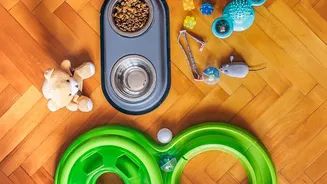
A bored cat is often a mischievous cat, more likely to get into trouble. Environmental enrichment is crucial for the mental and physical well-being of indoor felines, helping to prevent issues that arise from a static environment. Provide vertical space with cat trees or shelves, as cats instinctively feel safer in high places. Rotate toys every few days to keep them interesting and engaging. Puzzle feeders, which make cats 'hunt' for their food, provide excellent mental stimulation. Interactive playtime with feather wands or other toys that mimic prey helps satisfy their hunting instincts and strengthens your bond. Even something as simple as a cardboard box or a window perch for birdwatching can significantly improve their quality of life.