

Fresh vs. Frozen: Which Is Better?
The debate between fresh and frozen peas is a classic one. Fresh peas, available in winter, have a delightful sweetness and a crisp bite that is hard to replicate. They are perfect for dishes where their flavour is front and centre. However, they require
shelling and can sometimes be starchy if not young. Frozen peas are a fantastic, convenient alternative available year-round. They are typically flash-frozen at peak ripeness, which helps preserve their nutrients, colour, and flavour. For most rice dishes like pulao or fried rice, frozen peas are an excellent choice because they cook quickly and hold their shape well. If using fresh peas, you may need to soak them or add them earlier in the cooking process.
The Secret to a Vibrant Green
The most common complaint about cooking peas is that they lose their bright, appealing green colour. There are a few simple tricks to prevent this. One effective method is blanching, especially for fresh peas. This involves boiling them for just a minute or two and then immediately plunging them into ice-cold water to stop the cooking process. This sets their colour beautifully. Adding a pinch of sugar to the boiling water can also help retain their bright hue. Another key factor is timing. Avoid adding peas too early in the cooking process. Overcooking is the primary culprit behind dull, olive-green peas. For best results, add them towards the end of the cooking time.
Perfect Timing for Perfect Texture
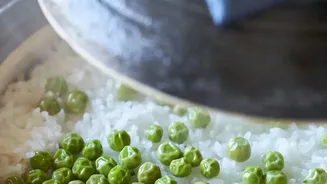
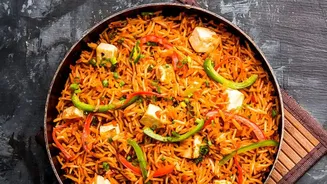
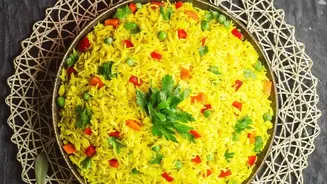
To avoid mushy peas, timing is everything. The ideal moment to add them depends on the type of rice dish and whether your peas are fresh or frozen. For a one-pot dish like matar pulao, where rice and vegetables cook together, add frozen peas in the last 5-6 minutes of the rice simmering. This is just enough time for them to cook through without turning to mush. Some cooks prefer to stir them in right after turning off the heat, letting the residual steam do the work. If using fresh peas in a pulao, it's best to sauté them briefly with the onions and spices before adding the rice and water. This initial frying helps them hold their texture. For fried rice, always add frozen peas near the end, giving them just a couple of minutes in the hot pan to heat through before serving.
Mastering Matar Pulao
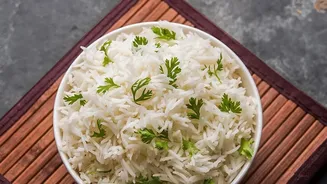
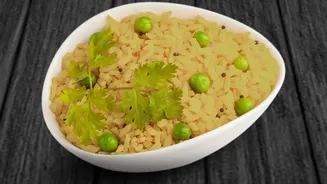
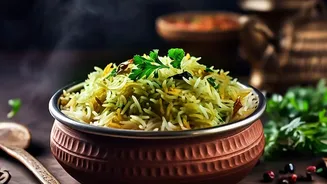
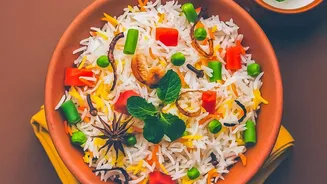
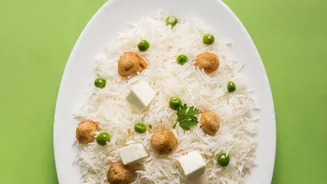
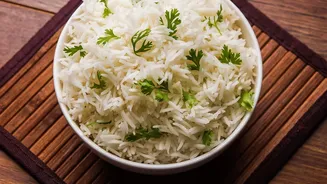
Matar Pulao is arguably the most popular pea and rice dish, and perfecting it is a matter of a few key details. Always use good quality, long-grain basmati rice and soak it for at least 20 minutes before cooking. This ensures fluffy, separate grains. Sautéing whole spices like cumin, cloves, cardamom, and a bay leaf in ghee or oil at the beginning builds a fragrant foundation. Fry the onions until they are soft and translucent, but not necessarily brown. Be precise with your water-to-rice ratio, as too much water is a common reason for a sticky pulao. Adding a splash of lemon juice while cooking can also help keep the rice grains separate and white. Finally, let the pulao rest for 5-10 minutes after cooking before fluffing it gently with a fork.
Beyond Pulao: More Pea and Rice Ideas
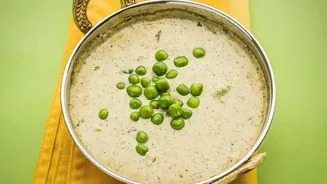
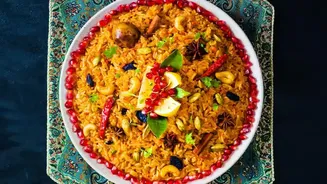
While pulao is a classic, green peas shine in many other rice preparations. They are a fantastic addition to vegetable biryani, adding a touch of sweetness to balance the rich spices. You can also make a simple pea and mint rice, where the fresh herb complements the peas perfectly. For a quick weeknight meal, a simple jeera rice can be elevated by tossing in some peas at the end. They can also be stirred into Tehri (a spiced vegetable and rice one-pot meal) or even a simple lemon rice for a pop of colour and nutrition. Don't be afraid to experiment by adding them to almost any savoury rice dish; their mild sweetness pairs well with a wide range of flavours, from spicy masalas to simple, herby preparations.