





The New Pre-Trip Ritual
Not long ago, a monsoon trip involved a hopeful glance at the sky and packing an extra umbrella. Today, the planning process is far more sophisticated. For a growing number of Indian travellers, the first step is no longer booking a hotel but checking
the India Meteorological Department (IMD) forecast. With alerts for heavy to extremely heavy rainfall becoming more frequent across the country, especially in popular monsoon destinations, travellers are making caution their top priority. Recent IMD bulletins in early August 2026, for example, have flagged very heavy rainfall in states like Uttarakhand, Himachal Pradesh, Kerala, and parts of Maharashtra, prompting many to reconsider their itineraries. This isn't about cancelling travel altogether; it's about making smarter, safer choices based on real-time data.
Your Phone Is Your Monsoon Guide
Technology is at the heart of this shift. Beyond just checking the forecast, savvy travellers are using a suite of apps to navigate the rains. Official apps like 'Mausam' from the IMD provide district-wise warnings and radar imagery, offering a level of detail that was previously unavailable. Other popular apps like AccuWeather and Skymet Weather offer hyper-local and minute-by-minute precipitation forecasts, helping travelers decide the best time to venture out for sightseeing. Navigation apps like Google Maps are crucial for checking real-time road conditions and potential waterlogging, while some even use specific apps to monitor landslide risks in hilly regions. This digital toolkit has transformed the traveller from a passive recipient of weather to an active, informed decision-maker.
The Great Destination Swap
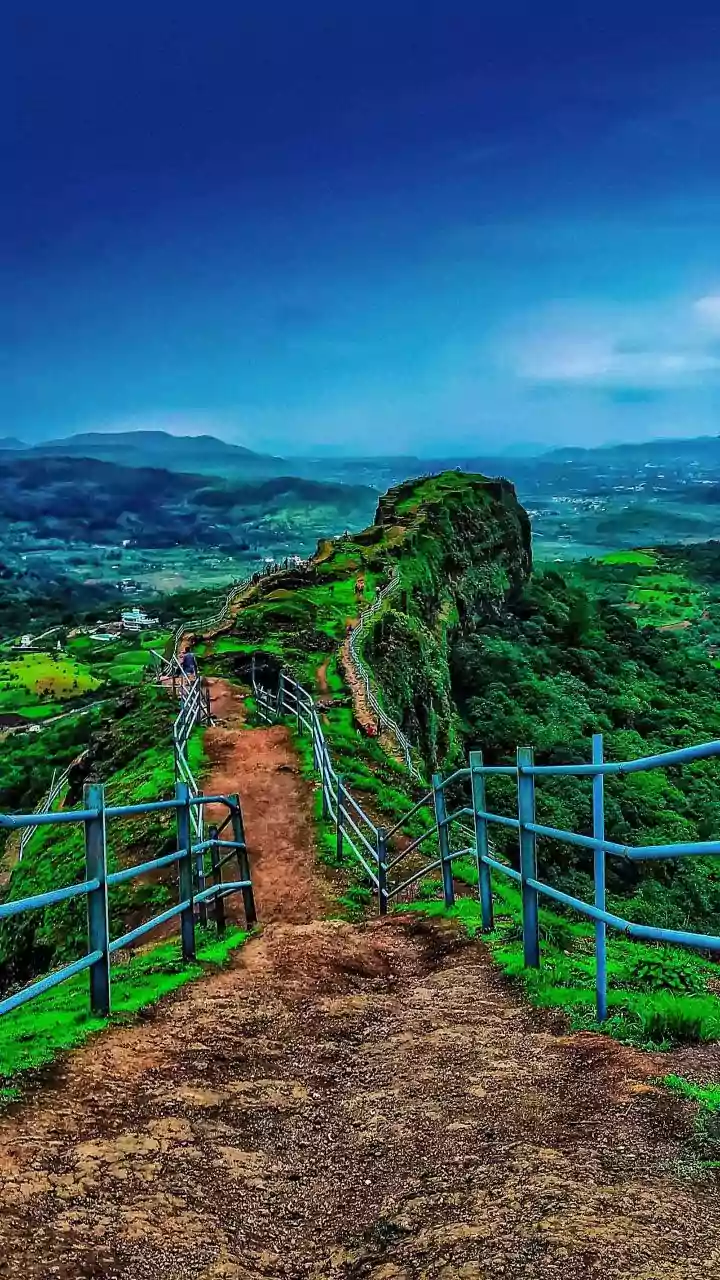
The most significant change is in where people are going. While hill stations in the Himalayas and coastal getaways in the Western Ghats are monsoon classics, recurring alerts for landslides and flooding are causing a shift. Travellers are increasingly engaging in what could be called a 'destination swap.' Instead of a high-risk mountain drive, they might opt for a resort stay in a less-affected part of the state, like the drier regions of Rajasthan or the less intense monsoon zones of the Deccan plateau. Some are pivoting to experience-led travel, choosing destinations like Rishikesh for wellness or Jaipur for culture, which are less impacted by extreme weather. The urban 'staycation' is also gaining popularity, offering a break without the risk of being stranded by a washed-out road.
Packing Smarter, Not Just More
The modern monsoon travel bag looks different. The flimsy umbrella is out, replaced by a lightweight, high-quality rain jacket that can withstand gusty winds. The focus is on quick-dry synthetic fabrics over cotton, which can take days to dry in high humidity. Waterproofing is non-negotiable. This includes waterproof footwear with good grip for slippery surfaces, a rain cover for backpacks, and individual dry bags or waterproof pouches for all electronic devices, from phones to laptops. Another pro-tip gaining traction is packing silica gel packets in luggage to combat humidity and prevent clothes and electronics from feeling damp. It's a packing strategy that accepts the reality of rain and prioritizes staying dry and comfortable.
Reading the Fine Print
The final, and perhaps most crucial, change is a new focus on flexibility. Before booking flights or hotels, travelers are now carefully reading the cancellation and rescheduling policies. Many are opting for slightly more expensive flexible fares that allow for date changes without hefty penalties. Under DGCA rules, if a flight is cancelled due to weather (a 'force majeure' event), passengers are entitled to a full refund or a seat on an alternative flight. However, knowing your rights and the specific policies of your airline and hotel in advance has become a key part of the planning process, providing a safety net in case a red alert forces a last-minute change of plans.