




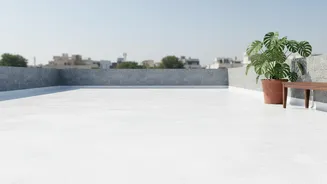
What is a Cool Roof?
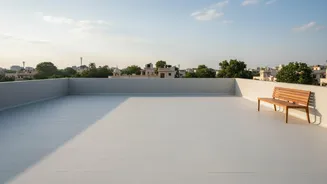
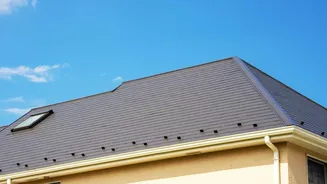
Think of a cool roof as wearing a white shirt on a sunny day instead of a black one. A traditional dark roof absorbs a vast amount of the sun's energy, converting it into heat that gets transferred into your home. On a hot day, a standard roof can reach
temperatures well above 65°C. A cool roof, however, is designed to do the opposite. It uses special coatings or materials that reflect a significant portion of sunlight back into the atmosphere. This isn't just about painting your roof white, though that's the basic principle. Modern cool-roof coatings contain specialised pigments and materials engineered for high solar reflectance and thermal emittance, meaning they both reflect sunlight and efficiently release any heat they do absorb.
The Science of Staying Cool
The effectiveness of a cool roof is based on two key scientific principles: solar reflectance and thermal emittance. Solar reflectance, also known as albedo, is the measure of how much sunlight a surface can reflect. Traditional roofs might reflect only 10-20% of sunlight, while high-performance cool coatings can reflect up to 80% or more. This simple act of reflection prevents the roof from absorbing immense amounts of solar energy in the first place. The second principle, thermal emittance, refers to the roof's ability to radiate absorbed heat away. Even the best reflective surfaces absorb some heat, but a material with high thermal emittance will quickly release that heat back into the atmosphere instead of letting it seep down into the building, a process that helps the building cool down faster in the evening.
The Impact on Indoor Temperature and Bills
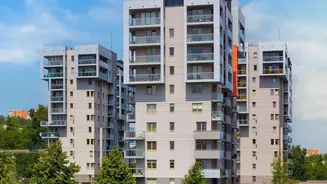
The most immediate and tangible benefit for apartment dwellers is a noticeable drop in indoor temperatures. Studies and real-world applications in Indian cities have shown that cool roofs can lower indoor temperatures by 2°C to 5°C, and in some cases even more. For those living on the top floor, this can be the difference between a sweltering, unbearable room and a comfortable living space. This passive cooling effect directly translates into lower energy consumption. With a cooler interior, the reliance on air conditioners and fans decreases significantly. This not only provides relief on your electricity bills—with potential energy savings for cooling ranging from 10% to 30%—but also reduces the strain on HVAC equipment, potentially extending its lifespan.
Beyond the Apartment: Cooling the Entire City
The benefits of cool roofs extend beyond individual buildings. When implemented on a larger scale, they can help mitigate the 'urban heat island' effect. This phenomenon occurs because cities, with their high concentration of dark, heat-absorbing surfaces like roads and traditional roofs, become significantly warmer than surrounding rural areas. By reflecting sunlight, cool roofs reduce the overall heat absorbed by the urban environment. Widespread adoption can lead to lower ambient air temperatures city-wide, improve air quality by reducing the formation of smog, and decrease the peak electricity demand during heatwaves, making the power grid more stable for everyone. Cities like Hyderabad and Ahmedabad have already launched successful pilot programs, demonstrating these community-wide benefits.
What to Consider Before Application
Before committing to a cool roof, there are a few practical points to consider. There are different types of coatings, with water-based acrylic and elastomeric coatings being popular choices for their reflectivity and waterproofing benefits. The cost can vary, from inexpensive lime-based washes to more advanced, durable coatings, so it's important to choose one that fits your budget and roof type (concrete, metal, etc.). While some simpler coatings can be a DIY project, professional application is often recommended to ensure proper surface preparation and uniform coverage for maximum effectiveness. One consideration often raised is the 'winter penalty,' where a reflective roof might increase heating costs in colder months. However, in tropical and subtropical climates like most of India, the massive savings on cooling far outweigh any minimal heating penalty.