


Why Monsoon Demands a New Grocery Strategy
The rainy season is notorious for creating an environment where bacteria, fungi, and mould thrive. The increased humidity in the air means vegetables spoil faster, while waterlogged soil can lead to higher contamination risks for many crops. Transport
and storage issues can also mean that by the time produce reaches your local vendor, it has already been exposed to conditions that hasten decay. This doesn’t mean you should stop eating vegetables; it just means you need to be more selective and strategic in how you buy and handle them.
Rule #1: Buy Less, More Often
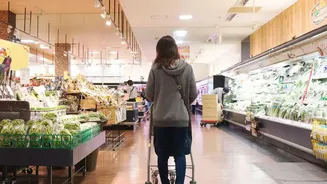
While buying in bulk might be convenient at other times of the year, it’s a risky habit during the monsoon. Vegetables are more likely to rot or develop mould when stored for long periods in humid weather. A better approach is to buy smaller quantities that you plan to consume within a couple of days. This ensures you are always cooking with the freshest possible ingredients and significantly reduces food waste. When shopping, always inspect produce for freshness. Avoid anything that looks slimy, has soft spots, or shows signs of mould.
The Safest Vegetable Bets
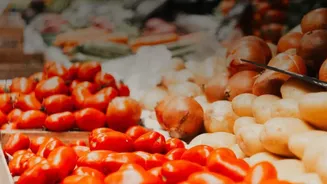
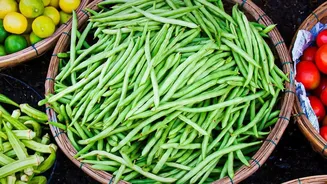
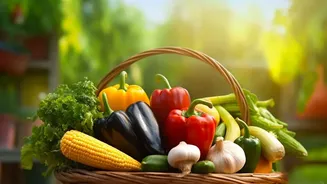
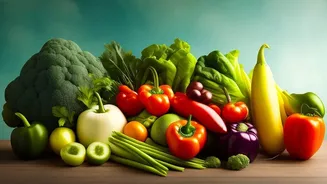
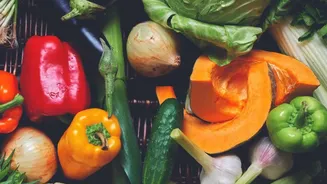
Certain vegetables are naturally more resilient during the rainy season. Gourds such as bottle gourd (lauki), bitter gourd (karela), ridge gourd (turai), and pointed gourd (parwal) are excellent choices. Their thick, protective outer skin keeps the edible part shielded from contaminants. Vegetables that grow on vines, well above the waterlogged ground, are also generally safer. Other good options include beans, okra (bhindi), and tomatoes. Always choose produce that is firm and brightly coloured.
Handle These Vegetables with Extra Care
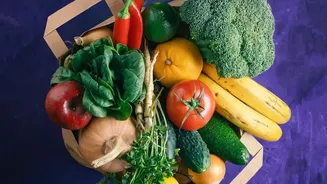
Leafy greens like spinach, cabbage, and coriander are particularly vulnerable during the monsoon. Their layered leaves can easily trap mud, moisture, and microbes, making them difficult to clean thoroughly. Similarly, cruciferous vegetables like cauliflower and broccoli have tightly packed florets that can harbour insects and moisture. While some experts suggest avoiding them, if you do choose to buy them, extreme vigilance is required. It is also recommended to avoid eating any vegetables raw, including salads, as cooking is the surest way to kill harmful bacteria.
Mastering Monsoon Storage
Proper storage is your best defence against spoilage. Never store vegetables in the plastic bags you bring them home in, as these trap moisture. Before refrigerating, make sure your vegetables are dry. You can pat them with a paper towel to remove excess moisture. Store leafy greens wrapped in paper towels inside breathable or perforated bags. Root vegetables like potatoes and onions should be kept in a cool, dry, and dark place with good ventilation, not in the fridge. For most other vegetables, the crisper drawer in your refrigerator is the best spot, but avoid overcrowding it to allow for air circulation.
The Final Wash and Prep
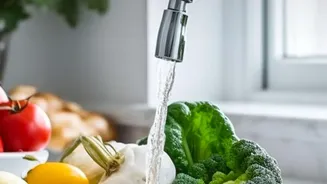
Thorough cleaning is non-negotiable. Wash all vegetables under clean, running water before you cut or cook them. For leafy greens and vegetables with complex surfaces, a soak in a bowl of salt water or a vinegar-water solution for 10-15 minutes can help dislodge germs and dirt. After soaking, rinse them again with fresh water. Always use separate cutting boards for raw vegetables and cooked foods to prevent cross-contamination. Cooking food thoroughly at high temperatures will help kill any remaining harmful bacteria.