




The Powerhouse Pulse You May Not Know
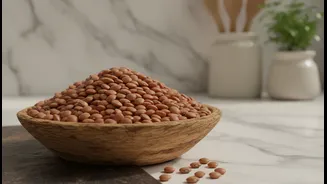
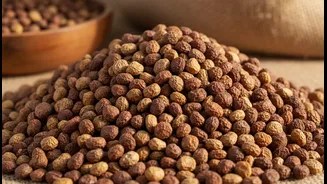
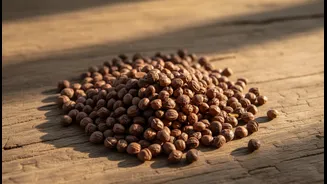
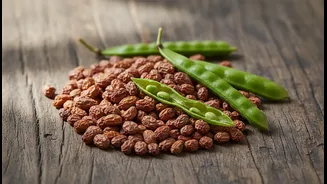
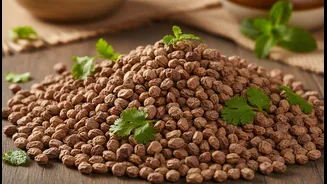
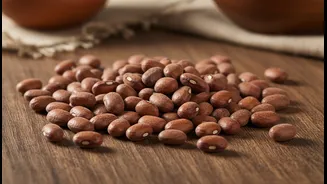
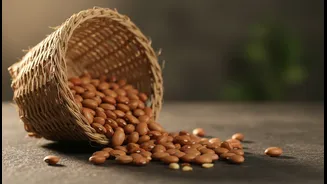
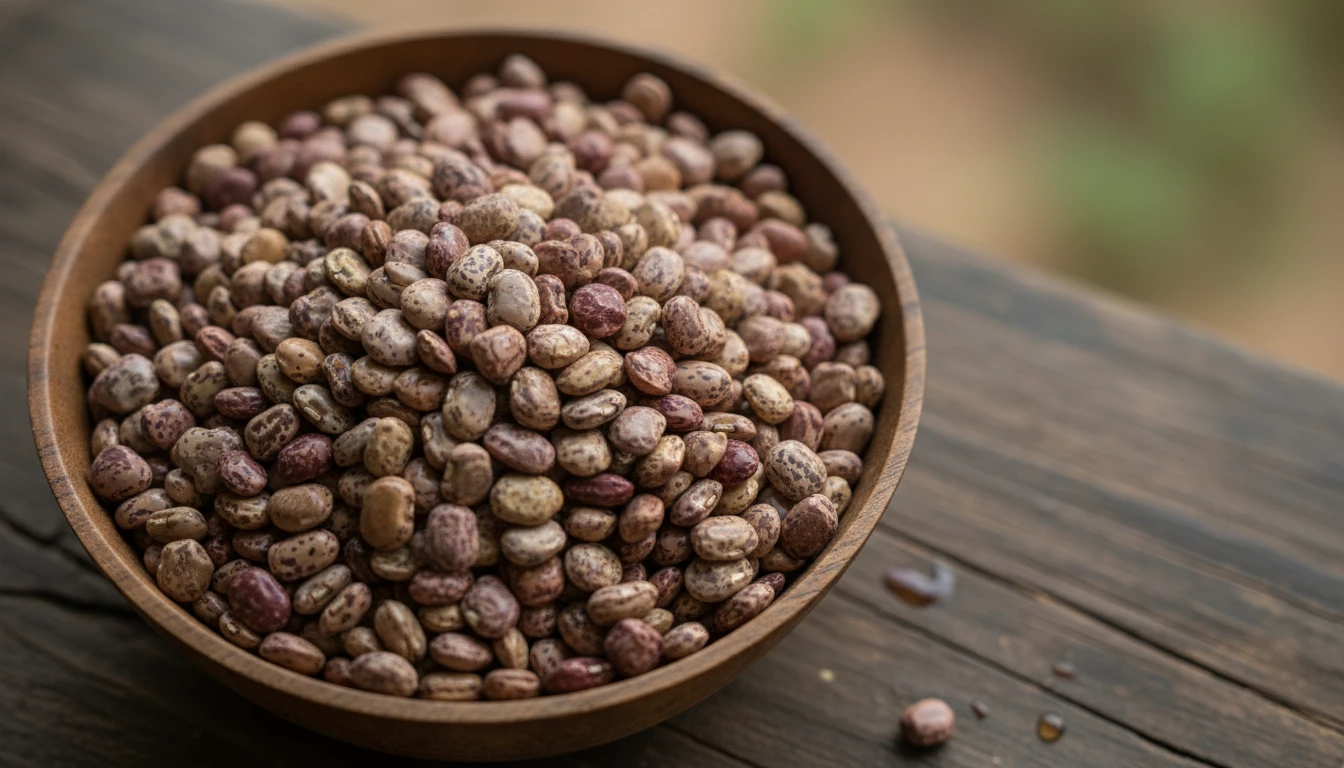
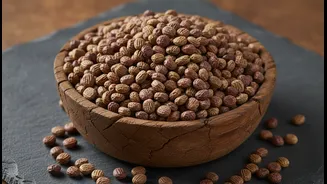
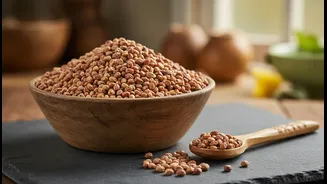
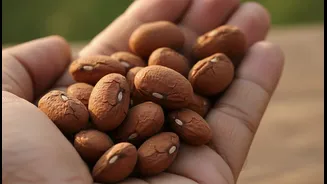
Known as kulthi in Hindi, kollu in Tamil, and ulavalu in Telugu, horse gram (Macrotyloma uniflorum) is a small, hardy lentil that has been a staple in parts of India for centuries. Its English name comes from its traditional use as a nutrient-dense feed
for horses and cattle, a testament to its energy-packed profile. Historically regarded as a "poor man's pulse," it thrived in arid regions where other crops would fail, providing essential sustenance. This resilience made it a reliable food source, particularly in the drier parts of South India. Today, this very trait is part of its renewed appeal, fitting perfectly into conversations about sustainable and climate-resilient agriculture.
A Nutritional Profile That Punches Above Its Weight
Don't let its humble reputation fool you; horse gram is a nutritional powerhouse. It is exceptionally rich in protein, boasting up to 25 grams per 100-gram serving, making it one of the most protein-dense lentils available. It's also an excellent source of dietary fibre, which aids in digestion and promotes satiety, making it a valuable food for weight management. Furthermore, it is packed with essential minerals, including having the highest calcium content among pulses, along with significant amounts of iron and phosphorus. Traditionally, Ayurveda has valued horse gram for its warming properties, often recommending it in winter to generate body heat.
Bringing Horse Gram to the Modern Kitchen
The "fresh context" for horse gram lies in its versatility. While traditional preparations remain popular, they offer a template for modern experimentation. The most common use is in soups and dals, where its distinct earthy flavour shines. In Karnataka, 'huruli saaru' (a type of rasam) is a staple, often served with a 'palya' (a dry side dish) made from the boiled lentils. Cooking with horse gram requires planning. The lentils have a tough seed coat and must be soaked, often overnight, before cooking. Pressure cooking is the recommended method, sometimes for as long as 30-40 minutes, to ensure they become tender. Sprouting the beans before cooking is another popular technique that not only softens them but also reduces anti-nutrients and enhances their nutritional profile. The cooked lentils can be used in hearty curries, salads, or even ground into flour for savory pancakes.
The Reality Check: Acknowledging Its Limits
Despite its benefits, horse gram comes with a few challenges. The primary limitation is its lengthy preparation time; forgetting to soak it means a significant delay in meal prep. Its flavour profile is also distinct—robust, earthy, and sometimes described as astringent, which may not appeal to everyone and is stronger than milder dals like moong or masoor. Furthermore, horse gram contains anti-nutrients like phytic acid, which can inhibit the absorption of minerals. Soaking, sprouting, or thorough cooking helps to significantly reduce these compounds. For some, its high fibre content can cause gas and bloating, especially if introduced into the diet too quickly. Additionally, because it contains oxalates, individuals prone to kidney stones are often advised to consume it in moderation.