


The Magic in Your Pocket
At its core, a stargazing app turns your phone into a window to the heavens. It uses a combination of your phone's built-in sensors to know exactly where it's pointing. The GPS tells the app your location on Earth, while the compass (magnetometer) determines
the direction you're facing. The gyroscope and accelerometer track the tilt and angle of your phone. By combining this data, the app creates a real-time, augmented-reality overlay of the sky. When you point your phone at a bright light in the sky, the app’s map moves with you, showing you precisely what you are looking at and identifying whether it's a star, a planet, or even a satellite.
Choosing Your Digital Guide
With so many apps available, finding the right one can feel daunting for a beginner. The key is to start with something user-friendly. Here are a few highly-regarded options perfect for those just starting their astronomical journey. Star Walk 2 is often recommended for beginners due to its beautiful visuals and easy-to-use interface, which includes an augmented reality overlay even in the free version. SkyView Lite is another excellent choice, praised for providing detailed information and helping users identify stars, constellations, and satellites like the International Space Station (ISS). For those wanting a highly realistic and comprehensive map, Stellarium Mobile offers a fantastic free version that simulates the night sky with impressive accuracy. These apps provide a great starting point without overwhelming you with overly technical features meant for professional astronomers.
Your First Night Out: A Simple Guide
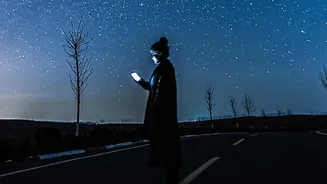
Ready to get started? Your first session can be simple and rewarding. First, find a spot away from bright city lights if possible, as light pollution can wash out fainter stars. Give your eyes about 15-20 minutes to adjust to the darkness. Once you're ready, simply open your chosen app and hold your phone up to the sky. The screen will display the constellations and stars in front of you. Tap on any object that catches your eye to learn its name and other details. Most apps have a 'Night Mode' which casts the screen in a red tint. Use this feature, as red light is less harsh on your eyes and helps preserve your night vision, making it easier to see the real stars above after you lower your phone.
Beyond Just Stars
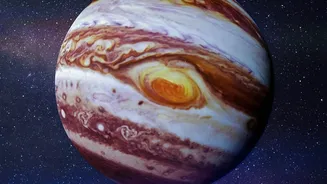
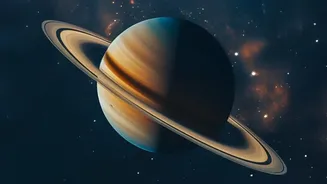
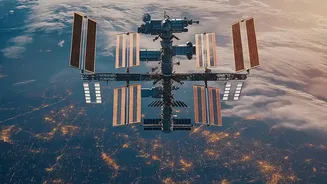
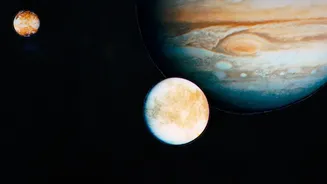
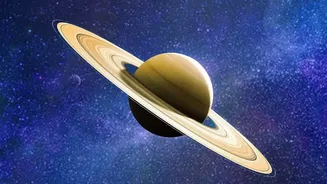
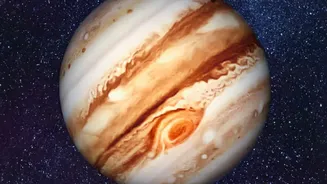
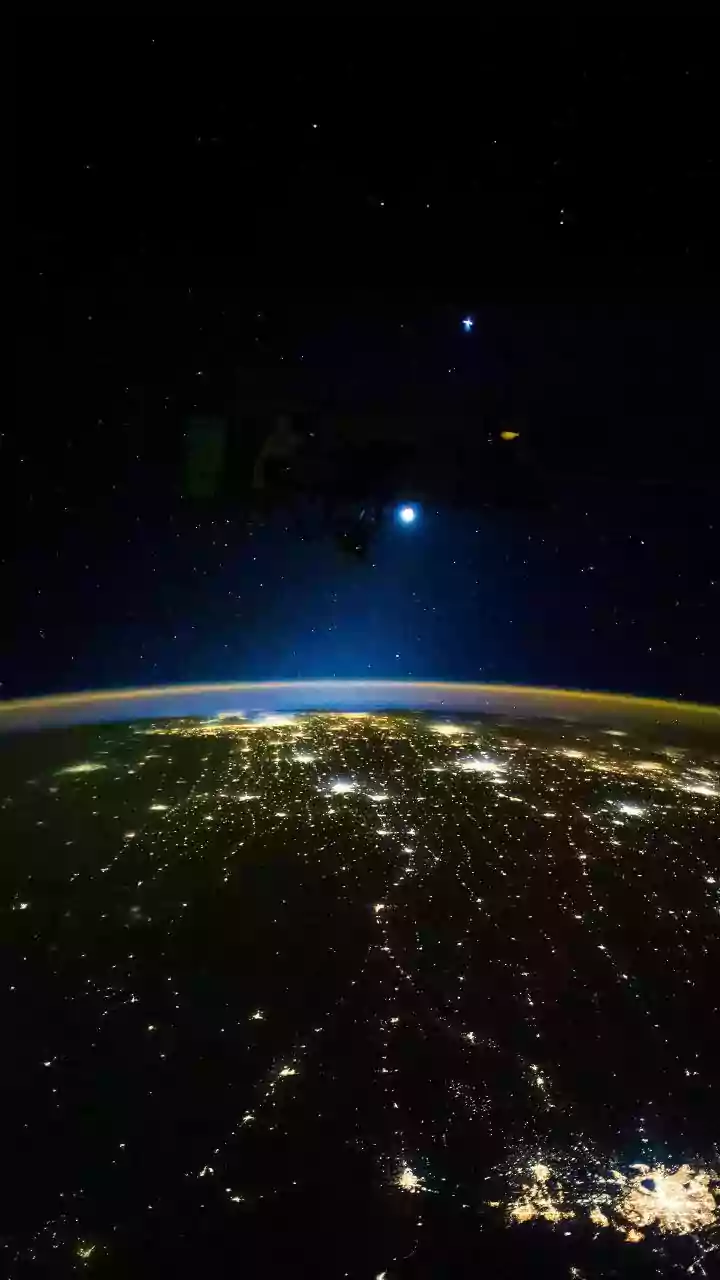
While identifying constellations like the Big Dipper or Orion is a classic stargazing thrill, these apps unlock much more. You can track planets in our solar system, identify distant galaxies and nebulas, and get alerts for upcoming celestial events like meteor showers. One of the most exciting features for many beginners is the ability to track artificial satellites. Apps like SkyView and Star Walk 2 can notify you when the International Space Station (ISS) or other bright satellites are due to pass overhead, allowing you to watch a fast-moving point of light glide across the sky. This transforms a simple night of stargazing into a dynamic and engaging experience, connecting you to both the natural cosmos and human exploration.