




Lush Landscapes and Roaring Waterfalls
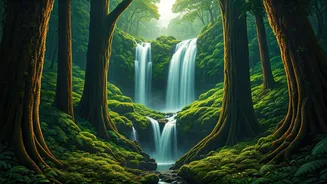
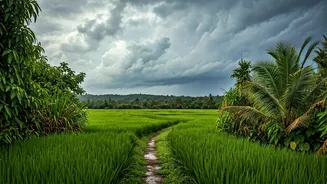
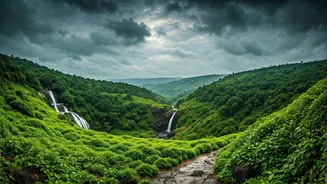
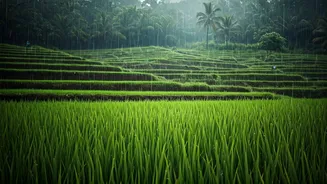
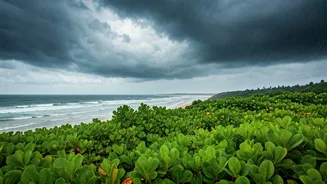
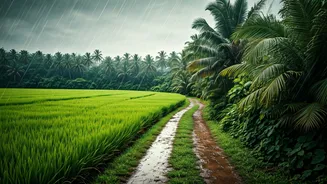
When the rains arrive, Goa sheds its sun-baked persona and turns into a vibrant green paradise. The countryside, rice paddies, and hills burst into life, creating a landscape that feels fresh and incredibly scenic. This is the best time to witness the state's
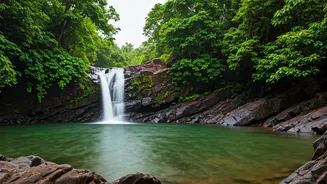
waterfalls in their full, thunderous glory. The famed Dudhsagar Falls, which translates to "Sea of Milk," becomes a spectacular, powerful cascade that is a must-see. Beyond Dudhsagar, smaller waterfalls like those at Tambdi Surla and in Netravali Wildlife Sanctuary also become prime spots for trekking and exploration. The journey inland, away from the coast, reveals a side of Goa that many peak-season tourists miss entirely.
Fewer Crowds and Lower Prices
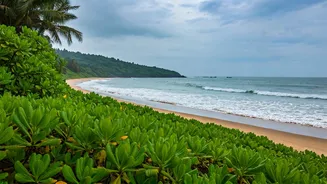
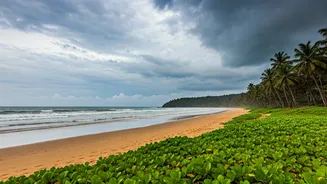
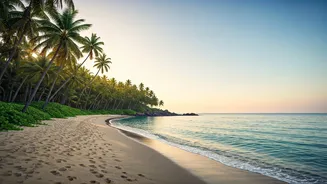
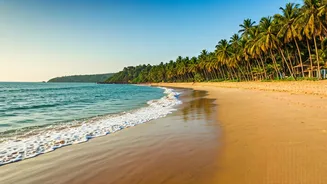
Perhaps the most practical advantage of a monsoon trip is the significant drop in tourist numbers. The usually packed beaches become quiet, tranquil stretches of sand perfect for long, contemplative walks. This peace extends to roads and attractions, allowing you to explore without the rush. This is also the low season for pricing, meaning flights, luxury accommodations, and even vehicle rentals can be substantially cheaper. Hotels and resorts often offer significant discounts, making a premium stay much more accessible for budget-conscious travellers. You can enjoy a more intimate and personal experience of Goa, all while saving money.
Vibrant Festivals and Local Culture
The monsoon is a time of celebration in Goa, with unique festivals that offer a deep dive into local culture. The most famous is São João on June 24th, the feast of St. John the Baptist. To commemorate St. John leaping in his mother’s womb, locals, wearing floral crowns called 'kopels', jump into overflowing wells and streams in a joyous celebration. The village of Siolim is famous for its decorated boat parades during this festival. Other monsoon festivals include the mud festival of Chikhal Kalo and the flag festival of Bonderam, giving visitors a chance to experience traditions that are not performed for tourists, but are a genuine part of Goan life.
Adventures Beyond the Beach
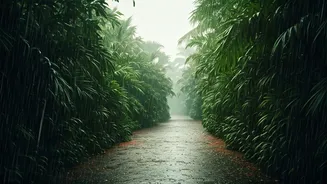
While swimming in the rough seas is not recommended, the monsoon opens up a world of other adventures. The overflowing Mhadei River becomes a hotspot for white water rafting. Wildlife sanctuaries like Bhagwan Mahavir, Cotigao, and Mhadei are teeming with life, making it an excellent time for safaris and bird watching. The cooler weather is also perfect for renting a scooter and exploring the quiet, winding roads of the Goan countryside and islands like Chorao and Divar. You can also visit spice plantations, which are especially fragrant and beautiful during the rains, offering tours and traditional Goan meals.
A Word on What to Expect
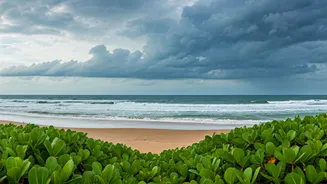
A monsoon trip requires a slight mental shift. Many of the temporary beach shacks are dismantled for the season, though several permanent restaurants and bars near the coast remain open. The sea is rough and not safe for swimming, and water sports are largely unavailable. You should pack quick-drying clothes, waterproof footwear, and a reliable raincoat or umbrella. Power cuts can be more frequent, so choosing a hotel with a generator is wise. But for those willing to embrace the occasional downpour, the trade-offs are more than worth it: a serene, authentic, and breathtakingly beautiful Goa awaits.