






The Freedom to Have Fun
At its core, enjoyment is a psychological state. It’s hard to lose yourself in the music if you’re subconsciously scanning for risks, worried about being jostled, or feeling anxious in a dense pack of people. When we feel safe, our minds can relax, allowing
us to be present and fully immerse ourselves in the moment. Effective crowd safety isn't about imposing restrictive rules; it's about removing the background noise of fear and anxiety. This creates a baseline of comfort that allows the positive emotions—joy, excitement, and connection—to flourish. A well-managed crowd feels less like a potential hazard and more like a community of fellow fans sharing an experience.
The Unseen Architecture of a Good Time
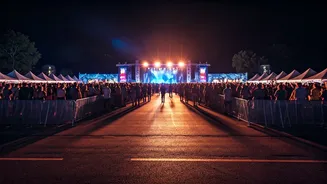
So what does good festival safety actually look like? It’s often a combination of visible and invisible measures that work in harmony. Event organisers have a legal and moral responsibility to ensure the well-being of their attendees. This starts with a thorough risk assessment long before the first tent is pitched. At the event itself, this planning translates into tangible features: clearly marked entrances and exits, efficient queueing systems using barriers, and well-lit pathways that prevent bottlenecks. It also includes having adequate security and staff who are trained not just to react to problems, but to proactively manage crowd flow and offer assistance. Well-placed water stations, accessible first-aid tents, and clear signage for amenities are not just conveniences; they are critical components of a safe and comfortable environment.
It’s a Shared Responsibility
While organisers hold the primary duty of care, attendees also play a crucial role in the safety ecosystem. Being a responsible festival-goer contributes to everyone's enjoyment. Simple steps can make a huge difference. The buddy system is a time-tested classic for a reason; always having someone who knows where you are is invaluable. Before you dive into the crowd, agree on a specific, easy-to-find meeting point in case you get separated. Staying hydrated, especially in the Indian climate, is non-negotiable for avoiding heat exhaustion. While it’s tempting to get the perfect shot, being mindful of your surroundings is more important. If you see someone in distress, alert a staff member or security guard immediately. Small acts of awareness and consideration ripple through the crowd, fostering a culture of collective care.
What to Look For in a Well-Run Event
As you plan your festival calendar, you can become a more discerning ticket-buyer by looking for signs of a safety-conscious organiser. Check the festival’s website or social media for information on their safety policies. Do they have a clear code of conduct? Do they mention their medical and security arrangements? On arrival, take a mental note of the layout. Are emergency exits clearly visible and unobstructed? Is staff easily identifiable and approachable? The presence of these elements indicates that the organisers have prioritised your well-being, freeing you up to focus on what you came for: the music, the art, and the community. A safe festival is, by design, a more enjoyable one, where the only thing you have to worry about is which stage to head to next.