




The Comeback Kerchief
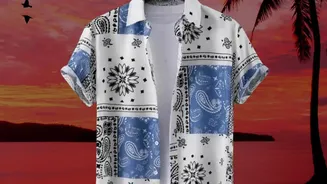
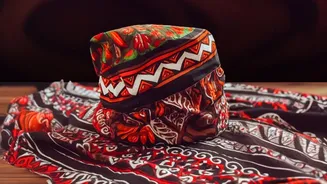
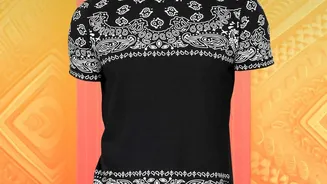
Fashion is buzzing with the return of the bandana. Once a simple accessory for cowboys and rockstars, the printed kerchief is now a staple of 2026's summer style. Celebrities like Priyanka Chopra Jonas have been spotted sporting the look, while designers
are incorporating the iconic paisley print into everything from shorts and swimwear to luxury silk tops. On social media, searches for bandana styling have surged, and fashion weeks have seen it become a common sight. This isn't just about nostalgia for the 90s or a Western-inspired moment; the pattern has been elevated and is appearing on a wider range of garments than ever before, moving from a simple accessory to a statement print.
More Than Just a Print
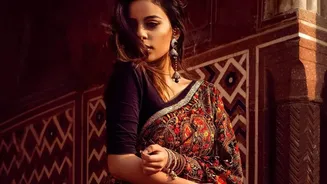
The pattern most associated with the bandana is paisley, but its roots are far from the Scottish town that gave it its common name. The iconic teardrop shape, known in India as 'kairi' or 'ambi' and in Persia as 'boteh', has a history stretching back centuries. Originally a symbol of life and eternity in Zoroastrianism, this motif traveled from Persia to India, where it flourished under Mughal patronage. It became a signature element of luxurious Kashmiri shawls, which were highly coveted in Europe in the 18th and 19th centuries. European manufacturers, particularly in Paisley, Scotland, began creating replicas to meet the high demand, and the name stuck, obscuring its South Asian origins for many.
Defining Textile Logic
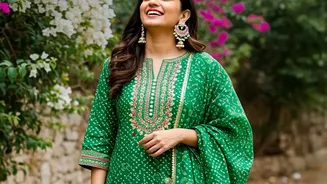
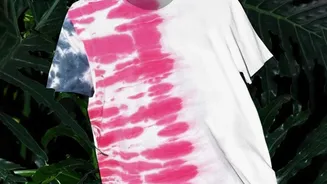
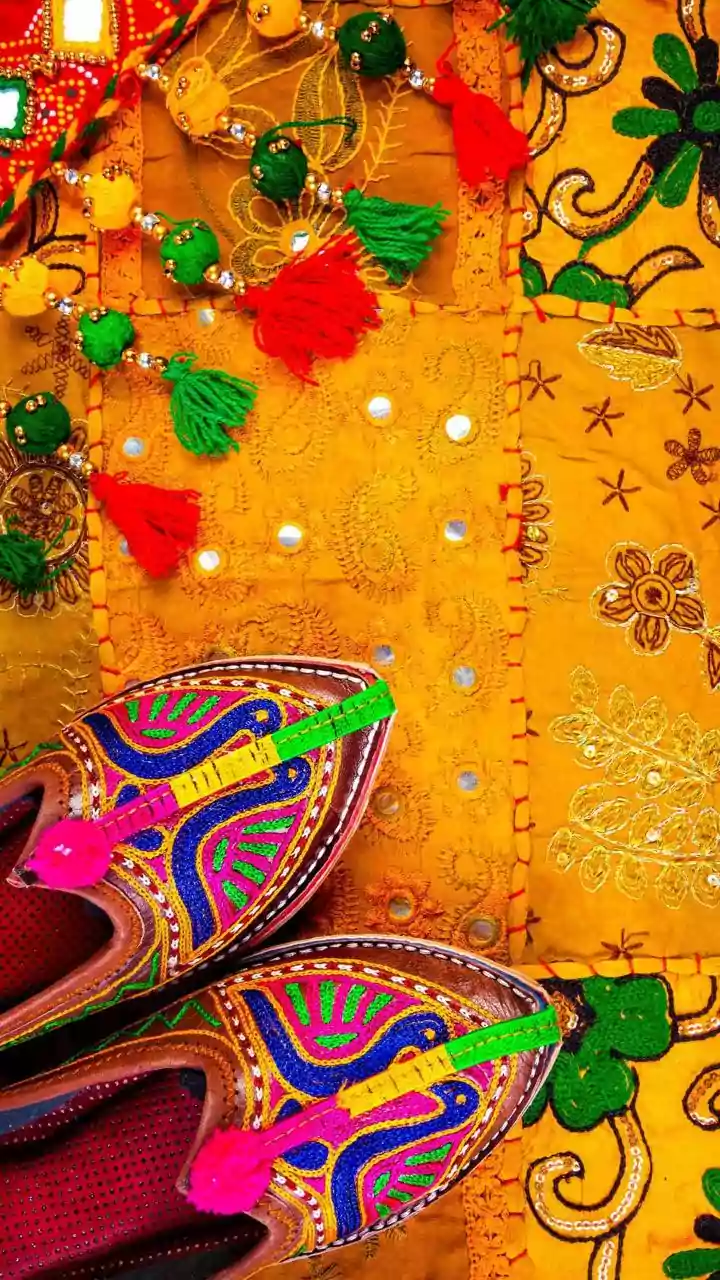
The enduring appeal of the paisley motif is a perfect entry point into understanding 'traditional textile logic'. This concept goes beyond just the final pattern. It refers to the entire system of knowledge embedded in a craft—from the fibre to the finished fabric. Think of Bandhani, the tie-dye technique from Gujarat and Rajasthan. The word itself comes from the Sanskrit 'bandh' (to tie), describing the process of tying thousands of tiny knots before dyeing to create intricate patterns. Or consider Ikat, where threads are resist-dyed before being woven, a meticulous process requiring immense foresight and skill. This logic is about slow, intentional creation where the process dictates the pattern, and every motif carries cultural stories and community knowledge.
From Tradition to Trend
So, what does this have to do with the 2026 bandana revival? The simple, repeatable pattern of a bandana mirrors the systematic, modular nature of these traditional crafts. More importantly, the global fashion industry is experiencing a broader shift. After years of fast fashion, consumers and designers are increasingly seeking authenticity, sustainability, and clothes with a story. Traditional textiles, with their handmade origins and deep cultural roots, offer a powerful alternative to mass production. The bandana trend can be seen as a mainstream expression of this deeper desire for craft and meaning, even if most wearers don't know the full history.
The Modern Indian Interpretation
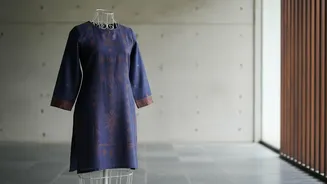
Nowhere is this synthesis of tradition and modernity more vibrant than in India itself. A new generation of Indian designers is championing the nation's textile heritage on a global stage. Designers like Rahul Mishra and labels like Akaaro are not just using traditional motifs; they are working directly with artisan clusters to preserve and innovate techniques like hand embroidery and complex handloom weaving. Others, like Anita Dongre's Grassroot, build their entire brand on a model of social sustainability and craft preservation. These creators are proving that 'India Modern' is not about simply adding an ethnic motif to a Western silhouette. Instead, it's about embedding the deep logic of Indian craft into contemporary forms, creating fashion that is both globally relevant and culturally resonant.