





A Comeback Story Decades in the Making
Before its recent fame, Rupsi Airport was a ghost of its former self. Originally built by the British during World War II, this airfield was a critical supply line for Allied forces in the China-Burma-India theatre. After the war, it briefly served civilian
flights but fell into disuse and was officially abandoned in the 1980s. For nearly four decades, the runway remained silent. That all changed when the airport was selected for revival under the government's UDAN scheme, a project aimed at improving regional connectivity. After a significant redevelopment project, the airport became fully operational again in May 2021, breathing new life into the region.
What Sparked the Sudden Interest?
The buzz around Rupsi comes from a recent report by the travel platform Skyscanner, which identified it as a top trending destination. The list, based on a massive 502% year-on-year increase in flight searches, placed Rupsi second only to Bishkek, Kyrgyzstan, and ahead of other international spots. While this reflects a growing curiosity rather than actual tourist footfall, it signals a significant shift in traveller interest towards less-explored destinations. The UDAN scheme has made flights to Rupsi remarkably affordable, slashing travel time from Guwahati from a gruelling 6-7 hour road journey to a simple 45-minute flight, further boosting its appeal.
The Gateway to Western Assam's Treasures
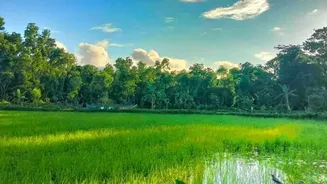
The real story behind Rupsi's appeal is its location. The airport serves as the perfect launchpad to explore the raw, unfiltered beauty of Western Assam and its neighbouring regions. It provides unprecedented access to several natural and cultural gems that were once difficult to reach. For wildlife enthusiasts, the airport is a gateway to Manas National Park, a UNESCO World Heritage Site known for its tiger and elephant population. It also offers easier access to the Chakrasila Wildlife Sanctuary, which is a protected habitat for the rare golden langur, and Raimona National Park.
A Rich Tapestry of Culture and History
Beyond the wilderness, the region is steeped in a rich history and vibrant culture. A short distance from Rupsi lies Dhubri town, home to the Gurudwara Shri Guru Teg Bahadur Sahib Ji, a historic Sikh shrine on the banks of the mighty Brahmaputra river. History buffs can explore the royal palace of the Gauripur dynasty at Matiabag, while art lovers can visit the nearby village of Asharikandi, which is famous for its generations-old tradition of terracotta pottery and crafts. The Mahamaya Dham, a revered Shakti Peeth dating back centuries, is another significant site accessible from Rupsi.
Transforming the Local Landscape
The revival of Rupsi Airport is more than just a win for tourism; it's a lifeline for the entire region. The airport now connects Dhubri, Kokrajhar, Bongaigaon, and surrounding areas to major cities like Guwahati and Kolkata, boosting local commerce and providing crucial transport for medical needs and education. With plans announced by the Assam government to potentially develop Rupsi into a logistics hub, its importance is set to grow even further. The improved connectivity is not just putting a new destination on the map for travellers but is also set to unlock economic potential and create new opportunities for the people of Western Assam.