





The Undisputed Kings
The very mention of Indian spin evokes a powerful legacy. It brings to mind the iconic quartet of the 60s and 70s, and more recently, the formidable duo of Anil Kumble and Harbhajan Singh. For a generation, they were India's primary weapon, turning matches
on their head at home and carving out memorable victories abroad. They didn't just take wickets; they controlled the narrative of the game, building pressure over after over until batters inevitably crumbled. This wasn't just bowling; it was an art form and a strategic advantage that became central to India’s cricketing identity. Their reign established a benchmark for success and an expectation of dominance that would be passed down to the next generation.
The Reign of Ashwin and Jadeja
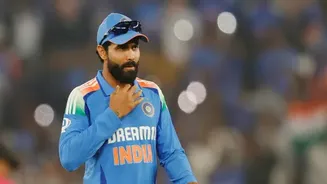
The torch was passed seamlessly to Ravichandran Ashwin and Ravindra Jadeja. Together, they formed arguably the most dominant spin pairing in modern Test history. At home, they were virtually unplayable, leading India on an unprecedented run of series victories. Ashwin, the wily off-spinner with a chess master's brain, and Jadeja, the relentless left-arm metronome, complemented each other perfectly. They didn't just continue the legacy; they elevated it. However, recent times have shown the first signs of a transition. With Ashwin having retired and Jadeja nearing the twilight of his illustrious career, the once-unshakeable foundation of Indian spin is facing its biggest test in over a decade.
A Question of Succession
The concern is not merely about form but about the succession plan. For years, India had a conveyor belt of talent, but now the cupboard appears less stocked. Kuldeep Yadav, with his wrist-spin, has shown flashes of brilliance but is now tasked with leading an attack rather than being a novelty option. Axar Patel and Washington Sundar have proven to be effective, particularly in white-ball formats, but questions remain about their ability to be consistent, wicket-taking threats in Test cricket, especially away from home. The search is on, with selectors even looking at players like 33-year-old Saransh Jain and the young left-armer Manav Suthar, signaling a period of discovery rather than established depth.
The Modern Game's New Challenges
The landscape of cricket itself has changed, posing new challenges. The rise of T20 cricket has altered the craft of spin bowling. As former great Harbhajan Singh has pointed out, many modern spinners are focused more on defensive bowling—bowling flatter and faster to contain runs—rather than practicing the art of flight and deception to take wickets. Pitches in domestic cricket have also changed, often favouring pacers to help India prepare for overseas tours, which inadvertently means aspiring spinners get fewer opportunities on traditional turning tracks. Furthermore, even Indian batters' famed ability to play spin has shown signs of decline, which reduces the psychological edge Indian spinners once held over all opponents.