

The Sun, A Powerful and Volatile Star
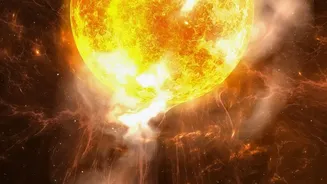
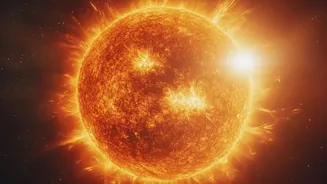
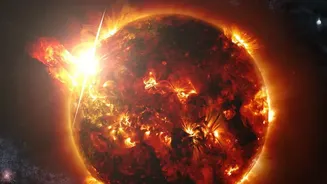
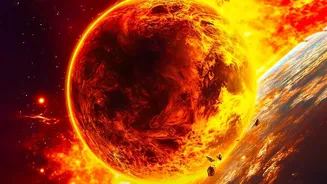
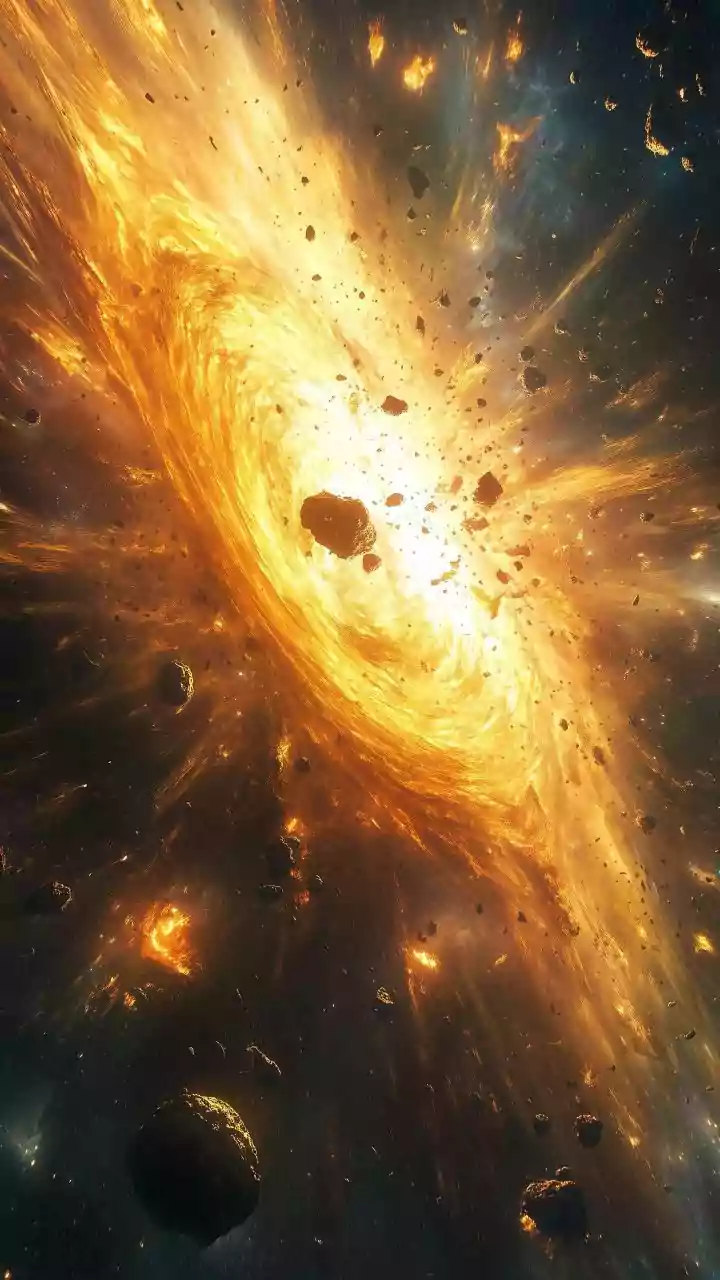
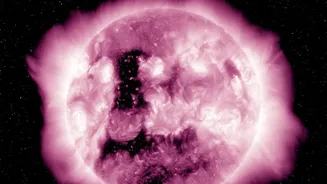
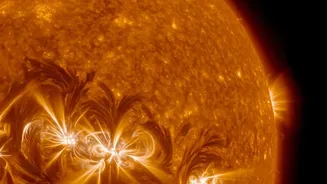
The Sun is not the uniformly friendly star it might seem. It is a dynamic and sometimes violent ball of plasma. Occasionally, it unleashes a colossal explosion of magnetised plasma known as a Coronal Mass Ejection, or CME. Think of it as the Sun launching
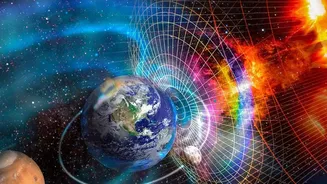
a billion-tonne cannonball of charged particles into space, travelling at millions of kilometres per hour. While the Sun throws these CMEs in all directions, the ones aimed at Earth pose a significant threat. They can take anywhere from one to five days to reach us, interacting with our planet's protective magnetic shield, the magnetosphere.
A Digital World at Risk
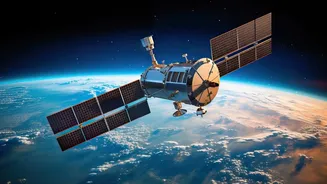
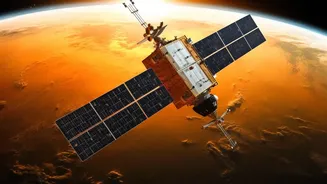
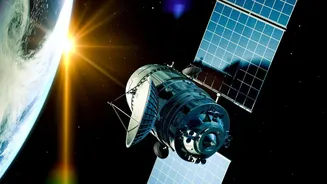
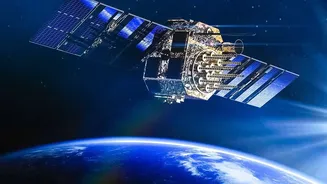
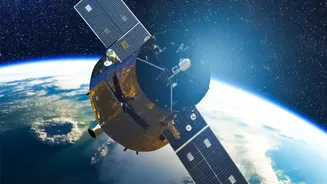
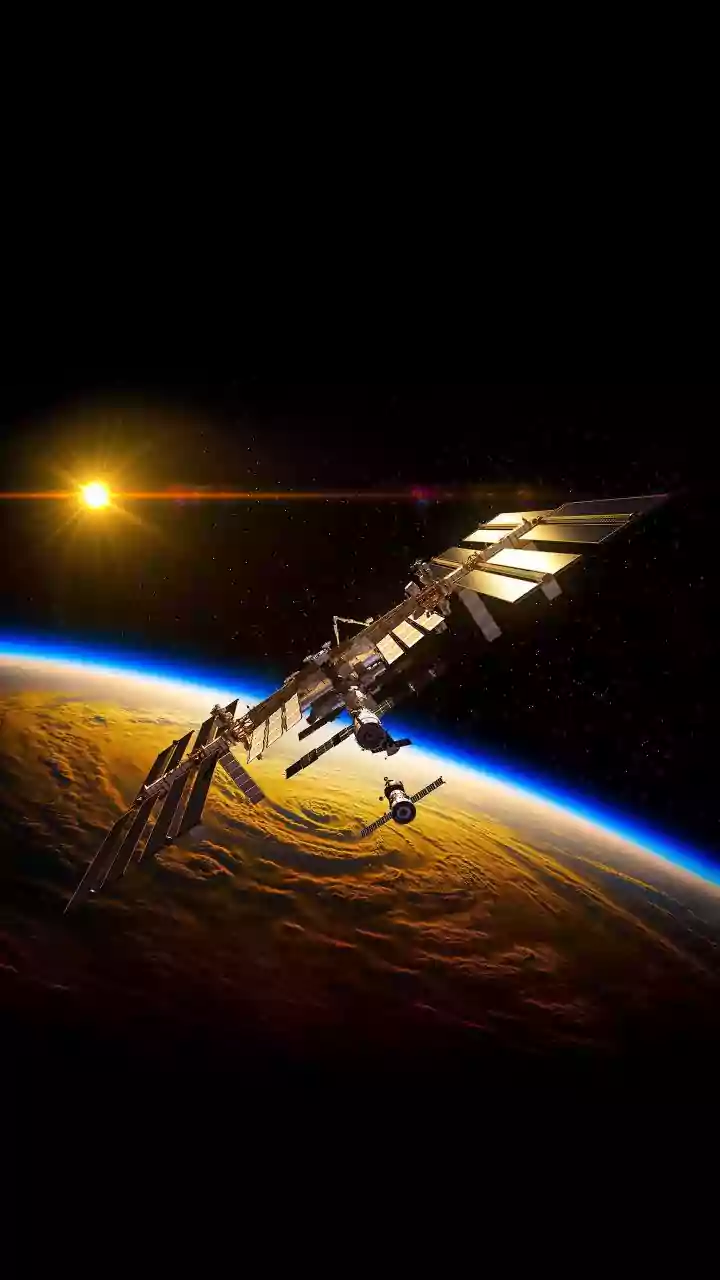
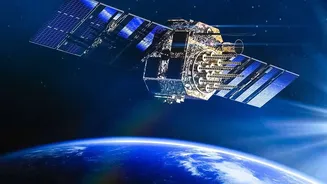
When a powerful CME collides with Earth's magnetic field, it can induce a geomagnetic storm. For our hyper-connected world, the consequences are serious. These storms can damage the sensitive electronics on satellites, which are crucial for communications, broadcasting, and weather forecasting. GPS signals can be distorted or lost entirely, affecting everything from aviation and shipping to the ride-hailing app you use daily. In the most extreme cases, like the historic Carrington Event of 1859, geomagnetic storms can even induce currents in ground-based infrastructure, potentially damaging power grids and even undersea cables, threatening the very backbone of the internet. The potential economic fallout from a severe event is estimated to be in the trillions of dollars.
The Science of Prediction
This is where impact models come in. They are our shield against this celestial threat. These are not physical objects, but highly complex computer simulations run on supercomputers. By using data from a fleet of solar observatories, scientists can model a CME from the moment it erupts from the Sun. The models aim to predict several key factors: Will the CME hit Earth? When will it arrive? And, most importantly, how strong will it be? Advanced models, some using machine learning and AI, analyze a CME's speed, trajectory, and magnetic field orientation to forecast its potential impact. This forecast gives us the one thing that can make all the difference: a warning.
From Forecast to Protective Action
An accurate forecast is useless without action. Once a potentially hazardous CME is identified, space weather prediction centres around the world issue alerts. Armed with this advanced warning, satellite operators can take protective measures, such as temporarily shutting down non-essential systems or reorienting spacecraft to shield critical components. Airlines can reroute flights away from polar regions where the effects of space weather are strongest. Power grid operators can prepare their systems to absorb the impact of geomagnetically induced currents. These models don't stop the storm, but they provide the crucial window of time needed to brace for impact, minimizing damage and preventing catastrophic failures across our global telecommunications network.
India's Eye in the Sky: Aditya-L1
India is a key player in this global effort. The Indian Space Research Organisation's (ISRO) Aditya-L1 mission is a dedicated solar observatory that significantly enhances our ability to monitor the Sun. Positioned at Lagrange Point 1, a stable point 1.5 million kilometres from Earth, Aditya-L1 has an uninterrupted view of the Sun. Its suite of seven instruments observes the Sun's atmosphere and measures the solar wind and magnetic fields in real-time. The data from Aditya-L1 feeds into global space weather models, improving the accuracy of forecasts and providing India with sovereign capability to monitor and predict events that could disrupt our nation’s critical digital infrastructure.