




What Are Solid-State Batteries?
At its core, the difference between a conventional lithium-ion battery and a solid-state one is simple. Today’s EV batteries use a liquid or gel-like substance called an electrolyte to shuttle ions between the negative (anode) and positive (cathode) ends
of the battery, creating a current. A solid-state battery, as the name implies, replaces this flammable liquid with a solid material, often a thin layer of ceramic or polymer. This fundamental change in architecture is what unlocks a cascade of potential benefits, moving the technology from the lab to the forefront of automotive innovation. Researchers have been exploring solid electrolytes for decades, but recent breakthroughs have made them a viable contender to power the next generation of vehicles.
The Promise of a 1,000-Kilometre Car
The most talked-about advantage of solid-state technology is its significantly higher energy density. This means it can store more energy in the same amount of space, or the same amount of energy in a much smaller, lighter package. For drivers, this translates directly to longer range. While today’s lithium-ion packs offer driving ranges that typically top out between 300 and 600 kilometres, solid-state batteries could realistically push that figure toward 800 or even 1,000 kilometres on a single charge. This would effectively eliminate range anxiety, one of the biggest psychological barriers for potential EV buyers. A lighter battery pack also means a lighter, more efficient car overall.
Safer, Faster, and Longer-Lasting
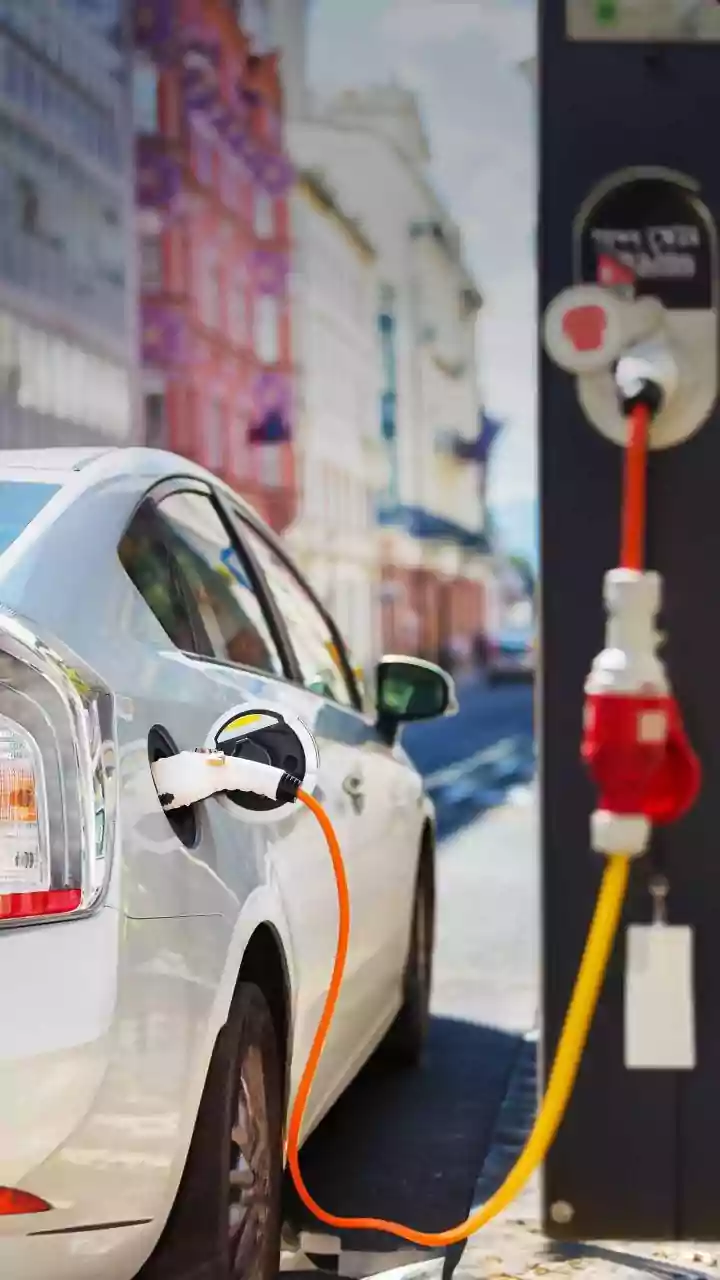
Beyond just range, solid-state designs offer compelling improvements in safety and convenience. The liquid electrolytes in current batteries are flammable, posing a fire risk in case of an accident or malfunction. By removing this liquid, solid-state batteries are inherently safer and more stable. They also promise dramatically faster charging times. Several developers, including QuantumScape, have demonstrated prototypes that can charge from 10% to 80% in under 15 minutes. Furthermore, these batteries are expected to have a longer lifespan, enduring more charge and discharge cycles before their capacity begins to degrade, which could lead to EV batteries that last for a million kilometres.
The Path to Cheaper Electric Vehicles
The idea that a more advanced technology could make cars cheaper seems counterintuitive, but it hinges on achieving massive scale. Initially, solid-state batteries are much more expensive to produce than their liquid-based counterparts. However, experts believe that once manufacturing processes mature, their cost could fall significantly. This is partly because the design can accommodate different, potentially cheaper materials, such as silicon anodes, and may reduce the reliance on costly metals like cobalt. Nissan has stated its belief that once mass-produced, the technology could help bring the cost of EVs down to the level of gasoline-powered cars.
The Reality Check: Hurdles Remain
Despite the immense promise, you won’t be able to buy an EV with a true solid-state battery tomorrow. The biggest challenge is manufacturing. Producing the thin, perfect layers of solid electrolyte consistently and at a massive scale has proven incredibly difficult. Some materials also have performance issues in cold weather, and ensuring the battery remains stable under the stress of ultra-fast charging is another key hurdle. Because of these challenges, many experts believe that mass-market adoption is still several years away, with the first vehicles likely to be premium models. In fact, many of the first 'solid-state' batteries to hit the market in 2026 and 2027 are expected to be semi-solid hybrids, which blend solid components with a small amount of liquid or gel to ease the transition.
Who Is Leading the Race?
Nearly every major automaker and battery manufacturer is in a race to commercialize this technology. Toyota, an early pioneer in solid-state research, is targeting a commercial launch between 2027 and 2028, initially in hybrid vehicles. Companies like Nissan, Samsung SDI, QuantumScape (backed by Volkswagen), and Solid Power (backed by Ford and BMW) are also major players with pilot production lines already in operation. Chinese automakers and battery giants like CATL are also heavily invested, with some aiming for mass production as early as 2026, though many of these initial offerings will likely be semi-solid designs.