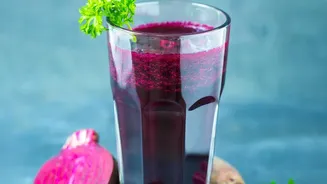









The Science of a Purple Power-Up
The performance-enhancing compound in beetroot is dietary nitrate, which is abundant in the root vegetable as well as leafy greens. After an athlete consumes it, a fascinating chain reaction begins. Benign bacteria in the mouth convert the nitrate (NO3-)
into nitrite (NO2-). Once swallowed, the acidic environment of the stomach helps convert this nitrite into nitric oxide (NO). This crucial molecule is a potent vasodilator, meaning it helps to relax and widen blood vessels. This process increases blood flow, allowing more oxygen and nutrients to be delivered to working muscles during intense exercise.
Better Oxygen Efficiency, Better Performance
The primary benefit of increased nitric oxide is improved exercise economy, which means the body requires less oxygen to perform the same amount of work. Studies have shown that this can reduce the oxygen cost of exercise by up to 5%, effectively making muscle contractions more efficient. For an athlete, this translates to being able to sustain a higher intensity for longer or feeling less fatigued at a given pace. Research has linked beetroot nitrate supplementation to enhanced performance in high-intensity intermittent exercise, such as repeated sprints common in team sports, and in activities requiring muscle power. It has even been found to improve cognitive function and reaction time during prolonged exercise.
Is It Really 'Micro-Dosing'?
While the term "micro-dosing" is catchy, it's not entirely accurate in its common usage. In sports nutrition, the practice is more about strategic, measured supplementation rather than taking sub-perceptual doses of a substance. Athletes aren't just taking a tiny, random amount; they are following specific protocols based on scientific research. These protocols involve consuming a targeted dose of nitrate, typically between 300 and 600 mg, to achieve peak performance benefits. This can be done through a single 'acute' dose taken about two to three hours before competition to coincide with peak plasma nitrite levels, or through 'chronic' loading, which involves taking a daily dose for three to seven days leading up to an event. This is a calculated nutritional strategy, not the informal experimentation the term "micro-dosing" might imply.
From the Lab to the Field
The evidence for beetroot's benefits has moved from scientific journals to practical application. While many studies confirm its effectiveness, particularly in endurance and high-intensity intermittent efforts, the results can vary. For example, some studies have shown significant improvements in sprint and power activities, while others found little to no effect in highly trained sprinters. Interestingly, recreational athletes may see a more significant performance boost than elite endurance athletes, who may already have highly optimized physiological systems. Despite the mixed results in some areas, the use of concentrated beetroot shots and powders has become a common sight in the world of elite sports, from track and field to team sports like football and basketball.
The Practicalities and Potential Downsides
For athletes looking to try it, the most reliable method is using concentrated beetroot juice shots or powders that guarantee a specific nitrate content, typically around 400-500 mg per serving. Trying to get a consistent, effective dose from whole beetroots or regular juice can be difficult due to variability in the vegetables. While generally considered safe, there are some minor and mostly harmless side effects. The most well-known is beeturia—a temporary pink or red coloration of urine and stools. Some athletes may also experience mild gastrointestinal upset, so it is always advised to test the supplement during training rather than before an important competition.