




The Pressure for a Performance
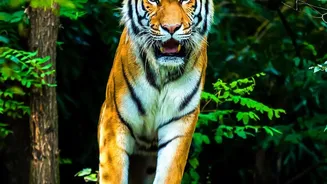
Many tourists arrive at a national park with a mental checklist: tiger, leopard, elephant, rhino. Fueled by stunning documentaries that take months or even years to film, the expectation for instant, dramatic sightings is at an all-time high. This creates
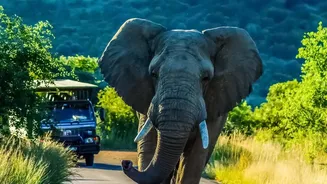
immense pressure on safari guides and drivers, who feel compelled to deliver these “checklist” moments to satisfy their clients. The result can be a frantic chase, with vehicles speeding through the forest, communicating frantically, and converging on a single animal. This approach transforms a journey of discovery into a high-pressure performance, where the wild is expected to entertain on cue. Guides are often forced to bend or break park rules to get closer or stay longer, driven by the unspoken demand for a five-star review and a generous tip.
The Hidden Cost to Wildlife
This pressure has a significant and detrimental impact on the animals themselves. When vehicles crowd an animal, it causes immense stress. Studies show that repeated disturbances can alter animal behaviour, disrupt feeding and mating patterns, and even lead to lower reproductive success. For example, a tigress with cubs might be forced to move them frequently if she feels threatened by constant tourist traffic, exposing them to greater risks. Chasing animals can cause them to expend precious energy or abandon a hunt. Using flash photography can startle and disorient creatures. Over time, this constant human intrusion can make animals habituated and less fearful of people, which may sound good but makes them more vulnerable to poachers and other dangers. Essentially, the demand for a perfect photo is directly harming the very creatures we travel so far to admire.
Redefining the Safari Experience
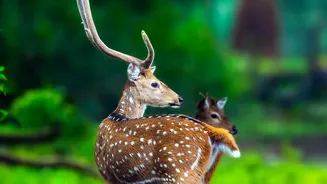
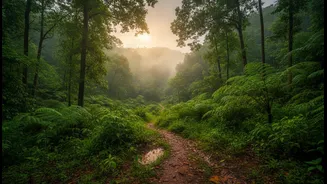
The true magic of a safari lies not in ticking boxes, but in immersing oneself in the wild and embracing its unpredictability. It’s about the entire ecosystem, not just the apex predators. It’s the chorus of birds at dawn, the sight of a dung beetle diligently rolling its prize, the alarm call of a deer that signals a predator nearby, or the vibrant flash of a kingfisher. These are the authentic moments that make up the story of the forest. By focusing only on the big sightings, tourists miss the intricate web of life that surrounds them. An ethical safari is an exercise in patience and observation. It’s about appreciating the privilege of being a quiet visitor in an animal's home. The goal should be a connection with nature, not a collection of trophies.
A Guide to More Ethical Viewing
Becoming a more responsible wildlife tourist is simple and begins with a shift in mindset. First, choose your tour operator wisely. Look for companies that prioritize conservation, employ trained naturalists, and adhere strictly to park regulations. During the safari, be an advocate for the wildlife. Insist that your guide maintain a respectful distance and not engage in crowding or chasing. Keep your voice low and avoid sudden movements. Put your phone on silent and turn off the camera flash. Instead of asking “When will we see a tiger?”, ask your guide about the different plant species, the tracks on the ground, or the calls of the birds you hear. Engage with the whole environment. This approach not only reduces stress on the animals but also enriches your own experience.
The Unforgettable Reward of Patience
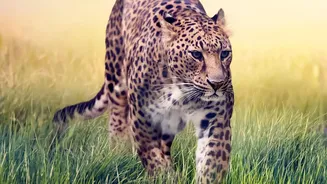
There is a profound difference between a rushed, chaotic sighting with ten other vehicles and a quiet, unexpected encounter where an animal appears on its own terms. Patience is the greatest tool a wildlife enthusiast has. By waiting quietly, you allow nature to unfold around you. You start to notice patterns, understand behaviours, and see the forest come alive. That fleeting glimpse of a leopard disappearing into the undergrowth, seen when you were the only ones there, is infinitely more powerful than a staged photo-op. These are the moments that stay with you long after the trip is over. They are not guaranteed. They cannot be scheduled. They are a gift from the wild, and they are earned through respect, quiet observation, and, above all, patience.