




The Natural Choice: Why Bamboo?
Before diving into placement, it's worth appreciating why bamboo is such a smart material for modern homes. First, it's highly sustainable; as one of the fastest-growing plants on Earth, bamboo is a rapidly renewable resource. [9] Its environmental credentials
are a huge plus for the eco-conscious decorator. [15] Beyond sustainability, bamboo is remarkably strong yet lightweight, making screens easy to move and reposition. [3, 13] It also brings a natural warmth and texture to interiors that can combat the cold feel of technology and synthetic materials. [3] This taps into the principles of biophilic design, which is all about connecting our living spaces with nature to improve well-being, reduce stress, and boost productivity. [1, 6, 8] The unique grain of each stalk means no two screens are exactly alike, adding a touch of natural artistry to your home. [3]
Finding Your Perfect Screen
Bamboo screens come in several formats, each suited to different needs. The most common type is the folding panel screen, which is freestanding and can be easily moved or stored. [14, 24] These are perfect for renters or anyone who wants a flexible solution to divide a room temporarily. [14] You can find them in various panel numbers, from three to six, allowing you to adjust the coverage area. [14] Another popular option is the rolled bamboo blind or curtain, which can be hung from the ceiling to create a more permanent, yet retractable, divider. [21] These are excellent for sectioning off a larger open-plan area. For a more solid feel, bamboo panels can be used to construct a more permanent partition wall, sometimes incorporating shelves for added functionality. [17, 19] Some designs even come with wheels for easy mobility. [17]
Strategic Separation for Better Living
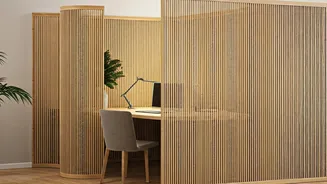
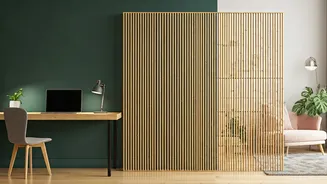
The key to using a bamboo screen effectively is strategic placement. In a living room, a folding screen can instantly carve out a home office nook. Place it to hide your desk and chair from view when you're not working, which helps your brain switch off and relax. This visual separation is crucial for maintaining a healthy work-life boundary. In a studio apartment, a tall screen can create a private sleeping area, making the space feel more like a multi-room home. [14, 19] You can also use a shorter screen in a large bathroom to separate the vanity area from the toilet, adding a touch of luxury. [16] In an open-plan kitchen and dining area, a screen can help define the eating space, making mealtimes feel more intentional and separate from the clutter of cooking. The goal is to create clear visual cues that signal a change in function from one space to the next.
More Than Just a Divider
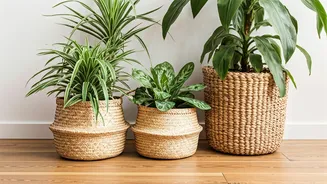
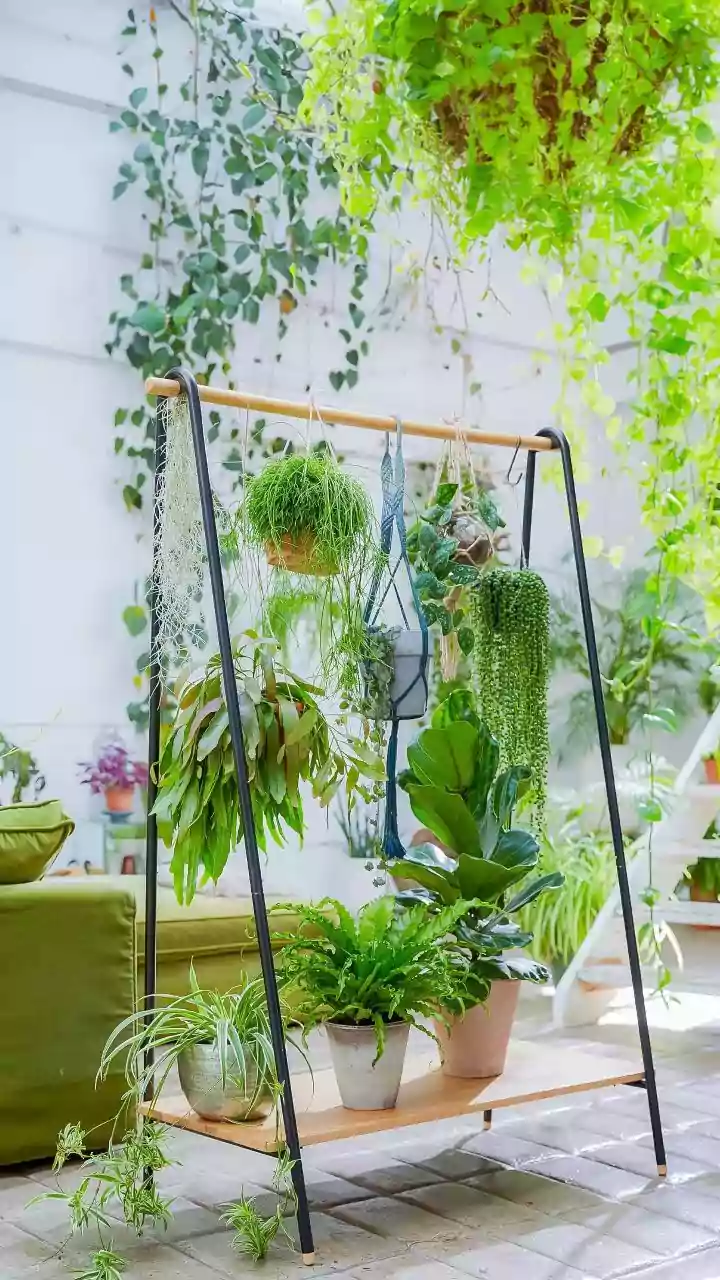
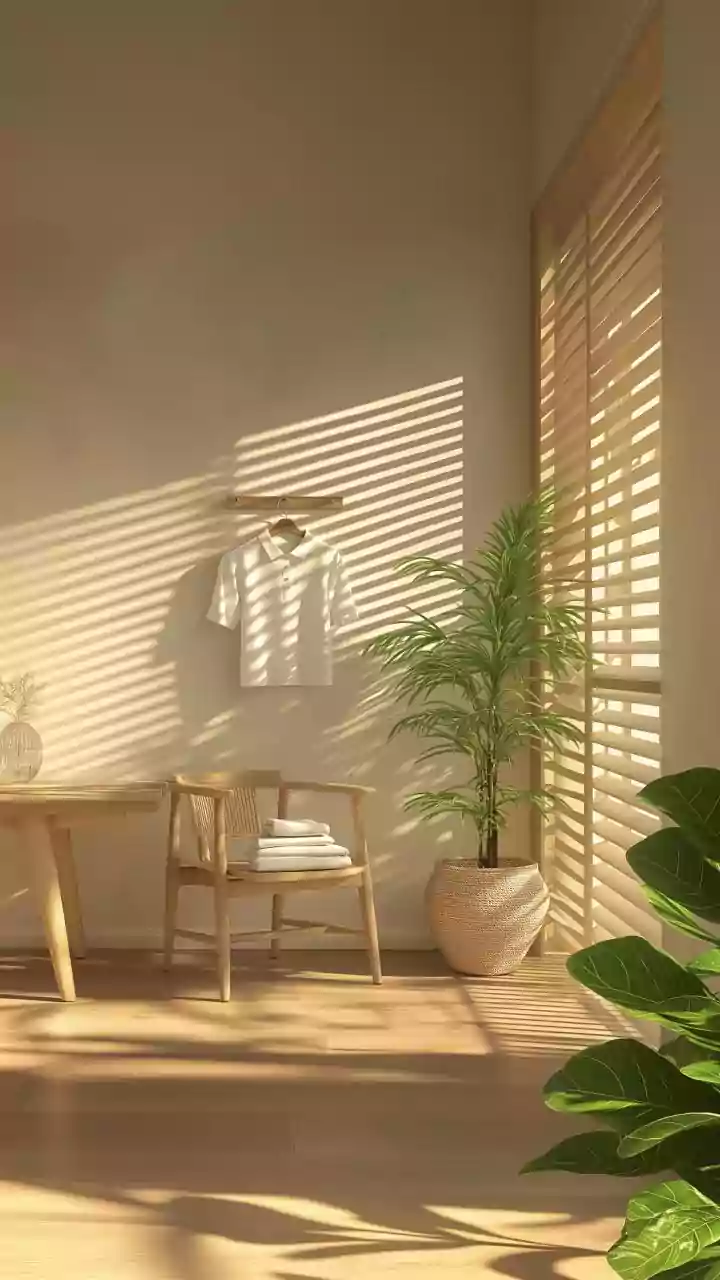
Think of your bamboo screen as more than just a wall. It can be a dynamic decorative element. Use a screen as a unique headboard behind your bed to add texture and a natural focal point to the bedroom. [26] It can serve as an attractive backdrop for a collection of indoor plants, creating a lush, green corner that enhances the biophilic feel of your home. [29] If you have a cluttered corner or an unsightly appliance, a bamboo screen is a stylish way to conceal it. [22] The semi-private weave of many screens allows light to filter through, so you can divide a space without making it feel dark or cramped. [14] You can even hang lightweight art or photos from the screen to further personalize it.
Caring for Your Bamboo
Bamboo is a durable material, but a little care will ensure your screen looks great for years. Regular dusting with a soft cloth or feather duster is the most important step. [18] For a deeper clean, you can use a damp cloth, sometimes with a bit of mild soap, but always wipe in the direction of the grain to avoid scratches. [18] It's crucial to dry the bamboo thoroughly afterwards, as excess moisture can cause damage. [18] If your screen is in a spot with direct sunlight, be aware that it might fade over time. [18] To protect it, you can apply a specialized bamboo protector or a water-based timber oil annually, which helps seal the material and maintain its colour and integrity. [10, 11, 12]