







The Monsoon Mirage
There's a certain comfort in watching the rain pour down from the dry, warm interior of a restaurant. It’s a classic Indian experience. However, the very conditions that make the monsoon so welcome also create a perfect storm for hygiene nightmares. The combination
of high humidity and increased foot traffic transforms restaurant floors into a slick mess of water and dirt. Umbrellas drip in corners, wet coats are slung over chairs, and the constant dampness seeps into everything, creating an environment where bacteria and mould can thrive. While we focus on the hot plate of food in front of us, the environment it’s served in often escapes scrutiny.
A Breeding Ground for Germs
The monsoon is a high-risk period for foodborne and waterborne illnesses. Gastroenterologists in cities like Mumbai note an alarming rise in gastrointestinal issues during this season. The reasons are straightforward: high humidity and moisture accelerate the growth of bacteria like E. coli and Salmonella on food surfaces and in storage areas. Power cuts, more frequent during storms, can compromise refrigeration, allowing cooked and raw food to enter the temperature 'danger zone'—between 5°C and 60°C—where bacteria multiply rapidly. Furthermore, pests such as cockroaches and rodents are driven indoors by the rain, seeking shelter and food in the very kitchens preparing our meals. Water itself becomes a primary threat, as heavy rains can lead to contamination of municipal water supplies, a fact that makes even a simple glass of water or chutneys prepared with it a potential health hazard.
Why Standard Practices Aren't Enough
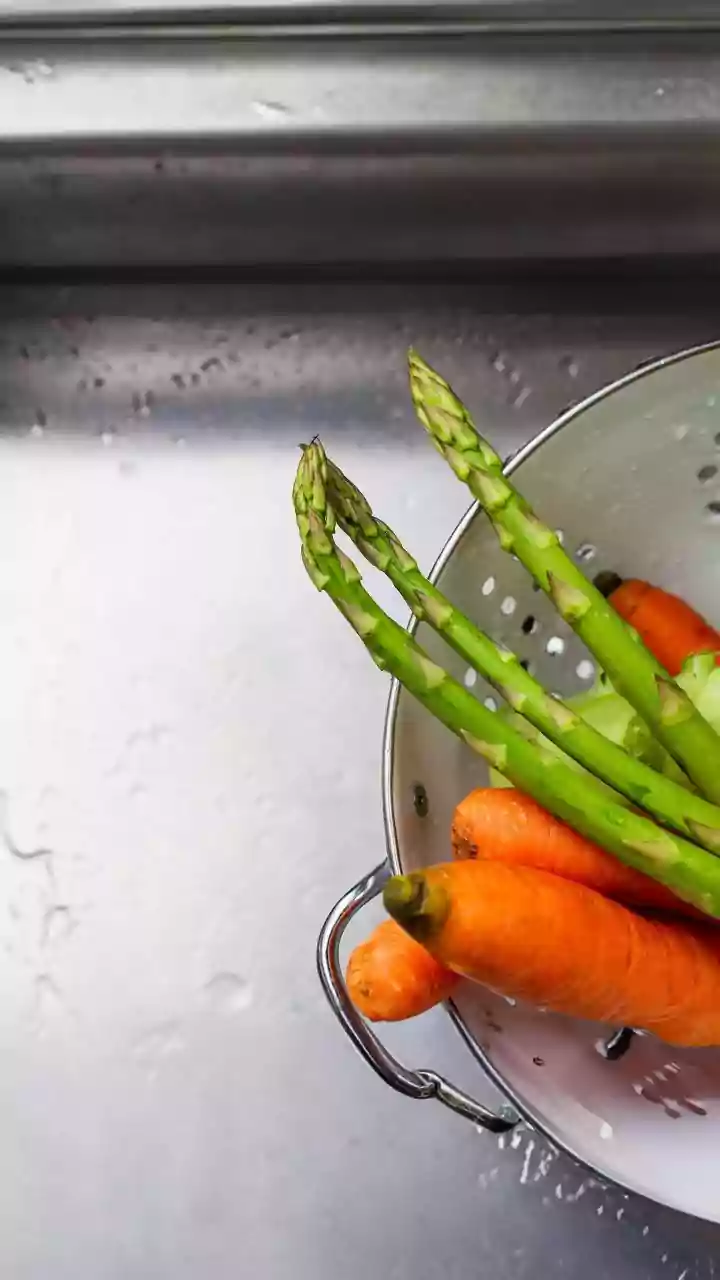
Most restaurants have daily cleaning schedules, but the monsoon demands more than the bare minimum. A cleaning routine designed for dry weather is often inadequate against persistent dampness and contamination. According to the Food Safety and Standards Authority of India (FSSAI), the risk of food contamination spikes during the rainy season, necessitating extra precautions. Best practices for this period include increased frequency of cleaning and sanitization, ensuring dry and pest-free storage, keeping cooked and raw foods completely separate, and sourcing ingredients from reputable suppliers who can guarantee their produce hasn't been exposed to contaminated floodwater. However, in a rush to serve a full house, these crucial, intensified measures can sometimes be overlooked.
Your Diner's Defense Checklist
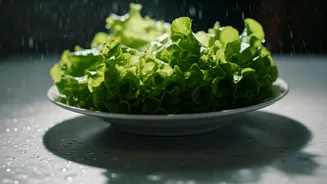
As a customer, you have the right to a safe dining experience. Being observant is your first line of defense. Before you even sit down, take a moment to assess the environment. Are the floors reasonably dry and clean, or are they dangerously slick and grimy? Check the state of the washrooms—their cleanliness is often a reliable indicator of the kitchen's hygiene standards. Look at the tables, cutlery, and menus; they should be clean and dry, not sticky or damp. A musty, damp smell is a major red flag. When it comes to food, prioritize hot, freshly cooked meals. Avoid raw salads, pre-cut fruits, and any chutneys or sauces that have been sitting out in the open. It's also wiser to stick to bottled water rather than water served from a jug.
A Call for Accountability
Ultimately, the responsibility for maintaining a hygienic environment lies with the restaurant owners. While diners can be vigilant, they shouldn't have to conduct a forensic analysis every time they eat out. Investing in better drainage, non-slip flooring, adequate pest control, and robust staff training on monsoon-specific hygiene protocols is not a luxury; it's a fundamental part of customer safety and good business. Restaurants that take these measures seriously often stand out. The FSSAI has a 'Hygiene Rating' scheme, and choosing establishments that display a high rating is one way to ensure standards are being met. As patrons, we vote with our wallets. Supporting places that visibly prioritize cleanliness sends a clear message to the industry that cutting corners on hygiene, especially during the vulnerable monsoon months, is unacceptable.