





The Undeniable Perks of Carry-On
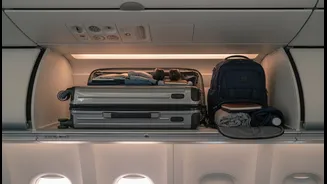
Choosing to travel with only a carry-on bag is incredibly appealing for a few key reasons. First and foremost, it almost completely eliminates the risk of your luggage being lost or delayed by the airline — a major source of travel anxiety. Your bag stays
with you, safe and sound. Secondly, it saves precious time. You can bypass the check-in counter queues and, upon arrival, stride confidently out of the airport while others are still waiting for the baggage carousel to lurch into action. There is also a reduced risk of your belongings being damaged by rough handling. For many, this combination of speed, security, and control makes packing light well worth the effort.
The Transit Trap: A Second Security Check
Here’s where the carry-on strategy gets complicated. When you have a connecting flight, especially an international one, you often have to go through security screening a second time. Even if you arrive from one flight and are considered to be in a “secure” transit area, moving to the gate for your next flight — particularly if it’s with a different airline or in another terminal — can require a full do-over. This means your perfectly packed cabin bag, which sailed through security at your departure airport, is now subject to an entirely new inspection, with a new set of officers who may interpret rules differently. This is a common occurrence on multi-leg international journeys, such as those from India to the US via Europe or the Middle East.
The Liquid Conundrum at Connecting Airports
The most common victim of the second security check is liquids. The global 3-1-1 rule (containers of 100ml or 3.4 ounces, in a single quart-sized clear bag) is what most travelers know. However, that bottle of perfume or spirits you bought at the duty-free shop before your first flight can become a major problem. While these items are often sold in sealed, tamper-evident bags that are technically allowed through transit security in some regions like the US (if purchased within 48 hours with a receipt), this rule is not universal and is subject to the discretion of the local security officer. If the officer cannot screen the item to their satisfaction, it may be confiscated. Many airports simply advise that if you have a connecting flight, any duty-free liquids over 100ml should be packed into your checked luggage if you have a chance to access it.
When Airline Rules Don't Align
Another pitfall is the variation in cabin baggage allowances between airlines. The generous size and weight limit on your first long-haul flight might not be the same for the budget airline taking you on the final leg of your journey. International carriers sometimes have stricter weight limits for carry-on bags compared to domestic ones. A bag that was perfectly acceptable when you started your trip could suddenly be deemed oversized or overweight at the connecting gate, forcing you into a last-minute, often expensive, gate-check. This completely negates the primary benefit of having a carry-on in the first place.
How to Pack for a Seamless Transit
So how do you enjoy the benefits of carry-on without falling into the transit trap? It requires extra planning. Before you travel, check the cabin baggage size and weight restrictions for every airline on your itinerary, and pack to the strictest rule. Be extremely cautious with duty-free liquid purchases; the safest bet is to buy them at the airport of your final layover. Always pack your 100ml liquids bag in an easily accessible part of your carry-on for quick removal at security checkpoints. If you're traveling from an international location into a large country like the U.S. and then connecting domestically, remember you will have to clear customs, claim your bags, and then re-check them. This is the perfect opportunity to put any newly acquired liquids into your checked luggage before it goes back into the system.