


The Magic of the Rain Shadow
The primary reason Ladakh thrives during the monsoon is a simple quirk of geography: the rain shadow effect. The mighty Himalayan and Zanskar ranges act as a colossal barrier, blocking the moisture-laden monsoon clouds that drench the rest of the subcontinent.
By the time these clouds cross the high peaks, they have already shed most of their rain. What reaches Ladakh is dry air, resulting in minimal rainfall and gloriously clear skies, a stark contrast to the grey, wet conditions found elsewhere in India from July to September. This unique climatic advantage makes it an ideal destination when other hill stations are facing landslides and downpours.
Ideal Road-Tripping Conditions
For road trip enthusiasts, the monsoon season is arguably the best time to conquer the legendary highways leading to Leh. Both the Srinagar-Leh and Manali-Leh highways are fully operational during these months. While the approach roads in Himachal Pradesh and Kashmir might see some rain, the Ladakhi sections remain largely dry and stable. The Border Roads Organisation (BRO) works tirelessly to keep these lifelines open, clearing any occasional blockages swiftly. With the high passes like Khardung La, Chang La, and Tanglang La free of winter snow, you have access to the region's most iconic sights, from the azure Pangong Tso to the dunes of Nubra Valley. This period provides the most reliable window for a classic Himalayan road adventure.
Vibrant Festivals and Culture
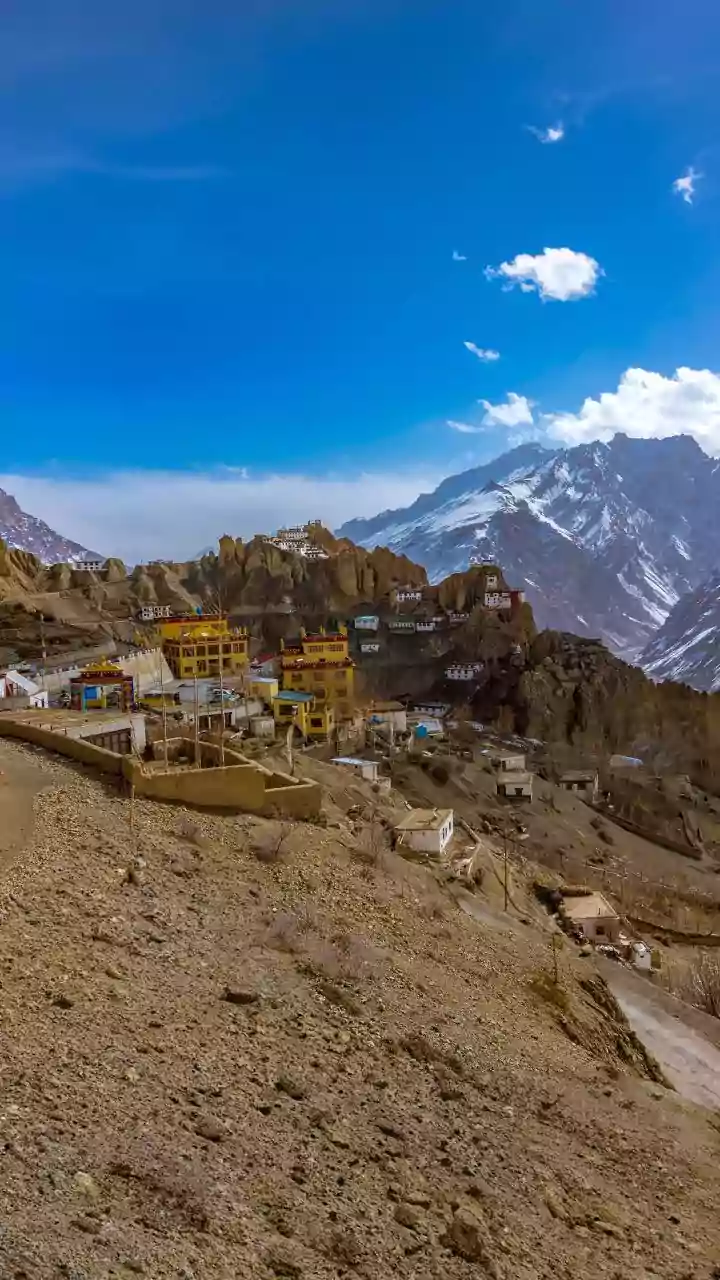
Ladakh's cultural calendar is buzzing during the summer and monsoon months. Many of the region's most important and colourful monastic festivals take place between June and September. These events, held in the courtyards of ancient monasteries, are a spectacle of faith and tradition. You can witness monks in elaborate masks performing sacred 'Cham' dances to the sound of trumpets and drums. Major festivals like the Hemis Tsechu (celebrating Guru Padmasambhava's birth), Phyang Tsedup, and Korzok Gustor offer a profound glimpse into Tibetan Buddhist culture. The Ladakh Festival in September also showcases a wide array of folk dances, archery competitions, and traditional music, providing a comprehensive cultural immersion.
Adventure at Its Peak
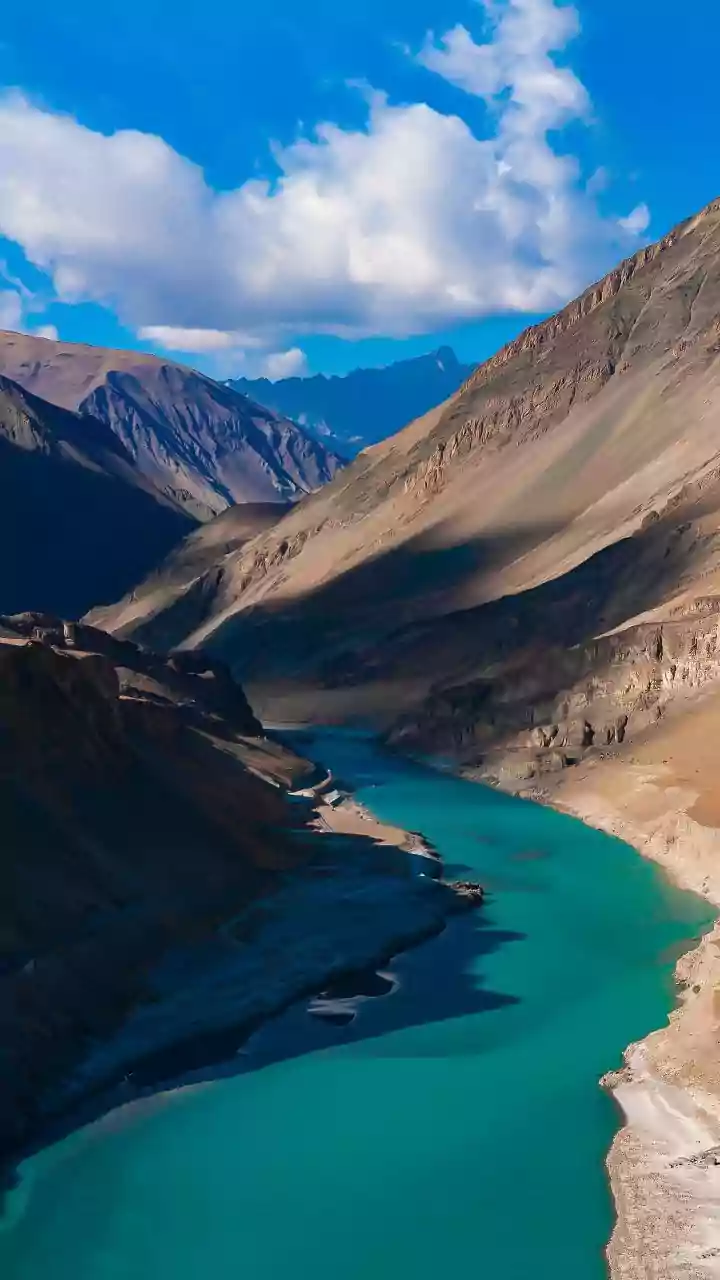
The pleasant weather, with daytime temperatures in Leh hovering around 25 to 30 degrees Celsius, creates perfect conditions for outdoor activities. This is the prime season for trekking, with popular routes like the Markha Valley and Sham Valley treks fully accessible. The higher water levels in the Indus and Zanskar rivers from glacial melt make it the best time for thrilling white-water rafting expeditions, with rapids ranging from Grade II to IV. Motorcycling enthusiasts will find the roads at their best, offering an unforgettable ride through the dramatic, high-altitude landscape. Evenings bring crisp, clear skies, making Ladakh one of the best places in the world for stargazing, where the Milky Way is often visible to the naked eye.
Landscapes in Full Bloom
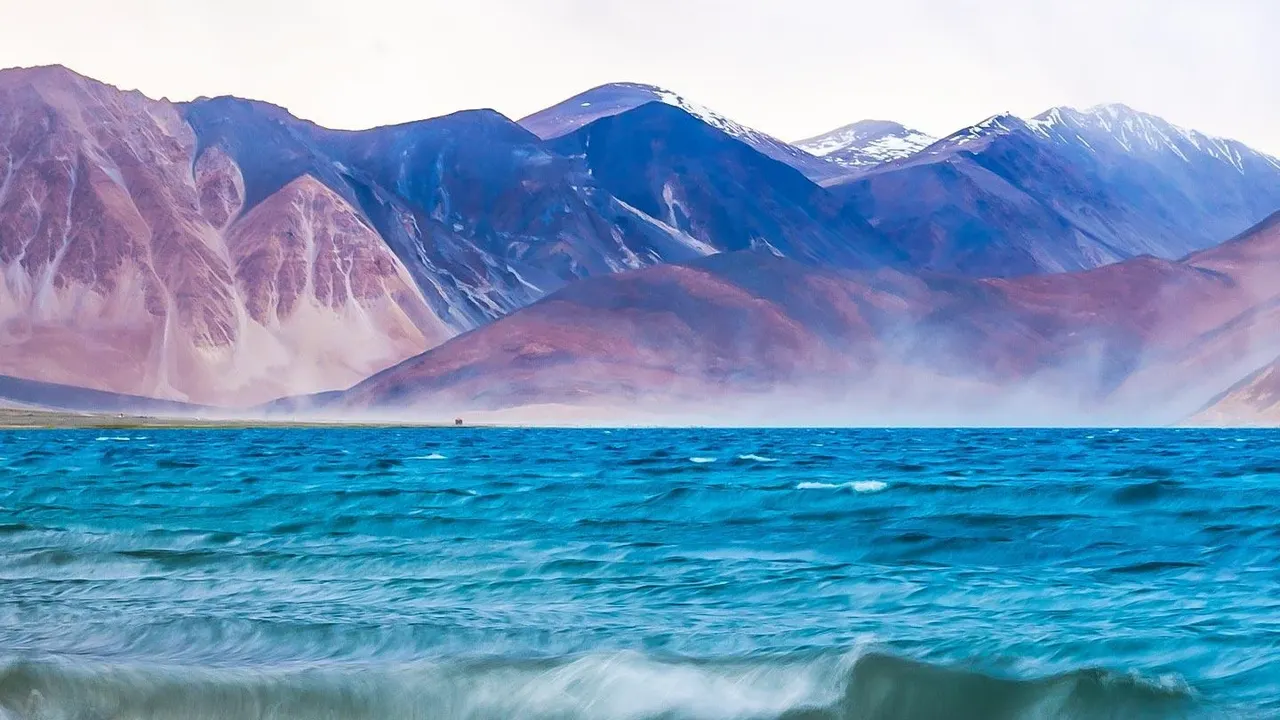
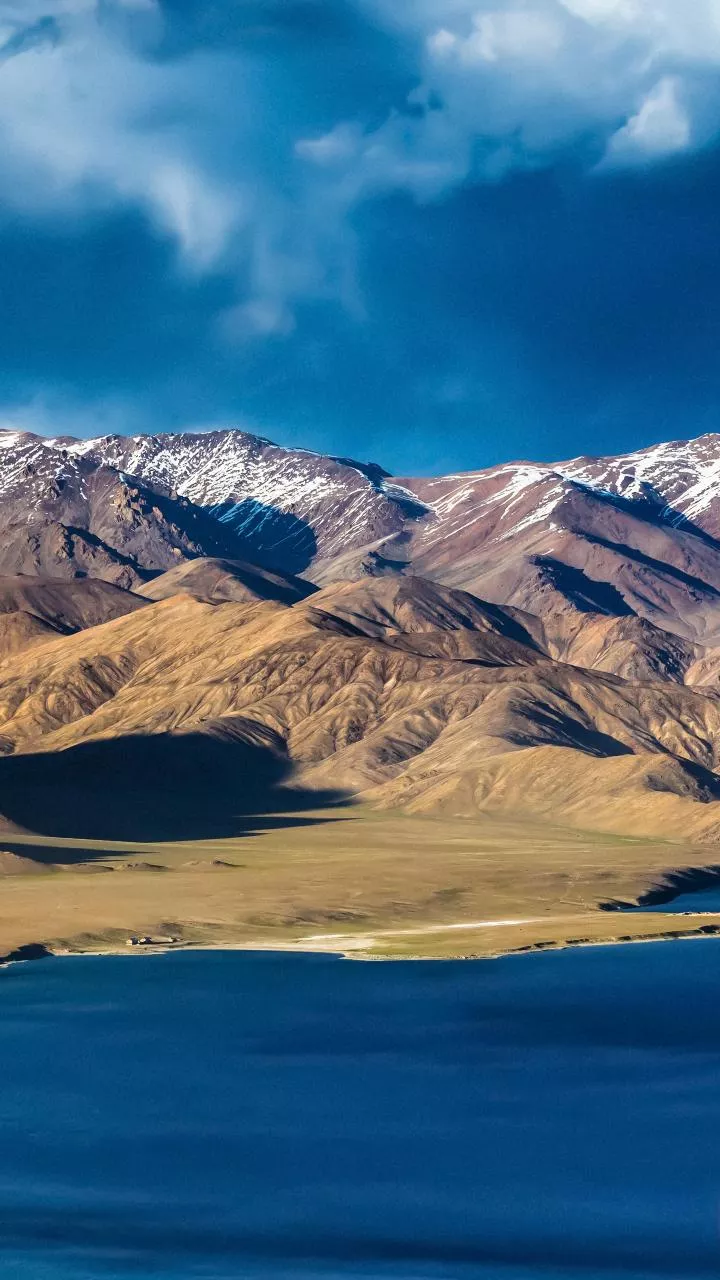
While Ladakh is a cold desert, the limited precipitation it receives during this season is just enough to transform parts of the landscape. The stark, barren mountains are punctuated by surprising pockets of green, especially in valleys like Nubra and Suru. The valleys are at their most colourful, providing a stunning contrast between the arid mountainsides and the lush fields of barley and mustard. This is also the time to see the region’s famous high-altitude lakes, Pangong Tso and Tso Moriri, in their most brilliant shades of blue and turquoise under the bright sun. For photographers and nature lovers, the dramatic interplay of light, colour, and texture during these months is simply unparalleled.