




Why Protein is a Building Block for Life
Protein is much more than just a tool for building muscle. For children, it is a fundamental building block for nearly every part of their body. It is essential for the growth of bones, the development of organs, and the creation of hormones and enzymes
that regulate bodily functions. A strong immune system, healthy hair, and resilient skin all depend on adequate protein intake. For children, whose bodies are in a constant state of growth and repair, getting enough of this macronutrient is critical for both physical and cognitive development.
How Much Protein Do Children in India Actually Need?
The exact amount of protein a child needs varies with age, weight, and activity level, but the numbers might be more modest than you think. According to guidelines from the Indian Council of Medical Research (ICMR), the requirements gradually increase with age. A toddler (1-3 years) needs about 12-13 grams per day. This increases to about 19-20 grams for a preschooler (4-6 years) and 23-29 grams for a school-aged child (7-9 years). Pre-teens and teenagers in their growth spurt years require more, with needs ranging from 32 to over 50 grams daily. A practical way to estimate is the 'gram per kilogram' rule; many pediatricians suggest around 1 gram of protein for every kilogram of a child's body weight. A balanced diet can easily meet these needs without special effort.
Food First: The Best Protein Sources in an Indian Diet
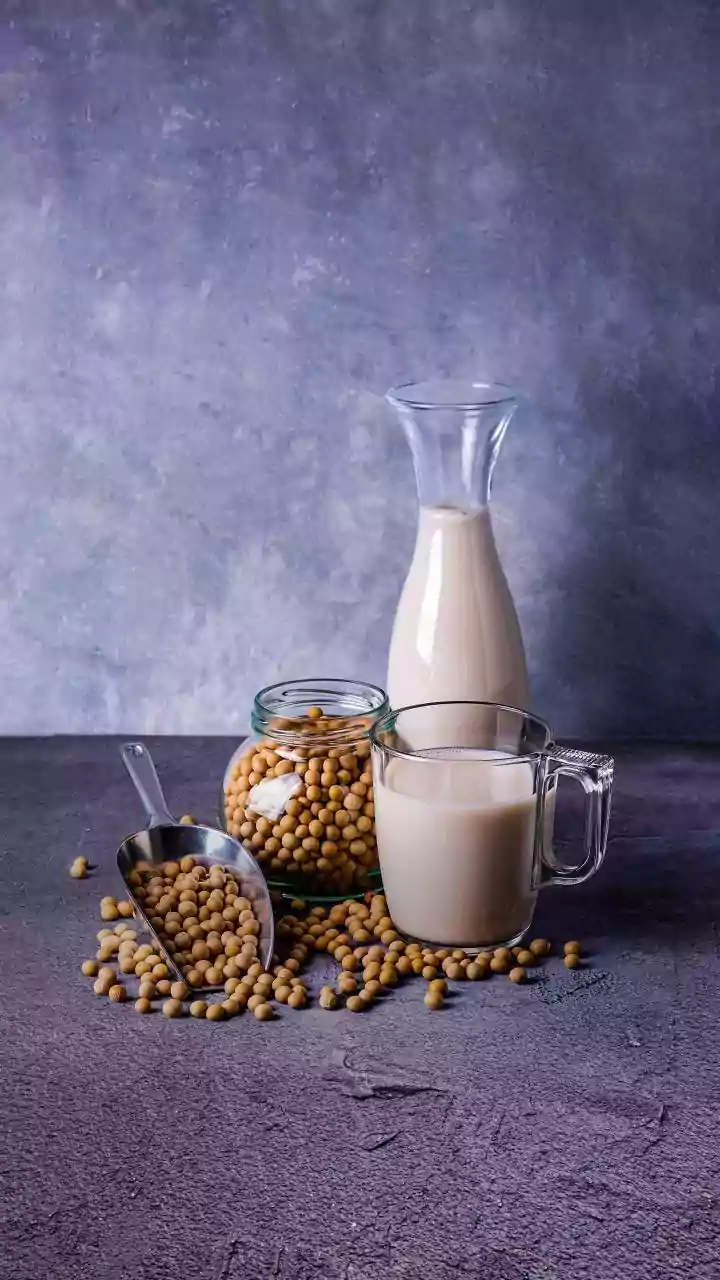
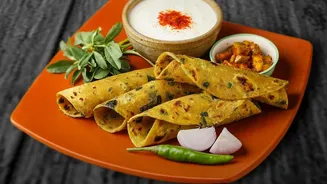
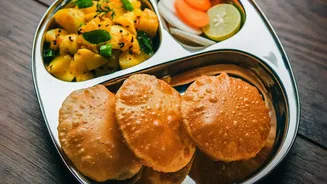
The good news for parents is that a traditional Indian diet is rich with excellent protein sources. The key is variety and smart pairing. For vegetarians, dairy products like milk, paneer, and curd are complete proteins and excellent choices. Legumes and dals are staples for a reason; a combination like dal and rice or rajma and roti creates a 'complete' protein by pairing different plant-based sources to provide all essential amino acids. Other powerful vegetarian options include soya, chana, sprouts, and nuts. For non-vegetarians, eggs, chicken, and fish are high-quality, easily absorbed sources of protein. Focusing on including one protein source in every main meal and aiming for a protein-rich snack daily is a simple and effective strategy.
The Truth About Protein Powders and Supplements
With the rise of fitness culture, protein powders are often marketed to parents as an easy solution for picky eaters or active kids. However, for the vast majority of children, these supplements are unnecessary and can even be harmful. Most children, even picky eaters, get sufficient protein from their regular diet. Giving a child excess protein they don't need can put a strain on their kidneys and liver, lead to dehydration, and cause unwanted weight gain from extra calories and sugar. Furthermore, many supplements are not regulated and may contain artificial sweeteners, thickeners, or other additives unsuitable for children. Protein powders should only be considered under the guidance of a pediatrician, typically for specific medical conditions, severe dietary restrictions, or diagnosed growth faltering.