


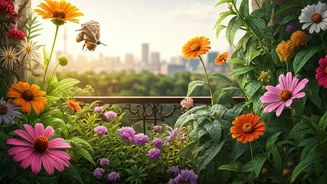


The Great Un-Lawning
For decades, the picture-perfect garden meant a lush, uniform green lawn, often bordered by ornamental plants from faraway lands. This aesthetic, however, comes at a cost—intensive watering, frequent mowing, and a heavy reliance on chemical fertilisers
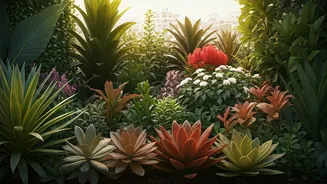
and pesticides. In India's cities, where water is a precious resource and urbanisation is rapidly expanding, a growing number of residents are questioning this model. [14] They are embracing a new kind of garden: one that is less about control and more about collaboration with nature. This trend, often called 'rewilding' on a small scale, involves choosing plants that are indigenous to the local region. [11, 17] It's a move away from high-maintenance beauty and towards sustainable, thriving ecosystems right outside our doors. [11]
The Practical Magic of Going Native
The primary driver for this shift is practicality. Native plants, having evolved over millennia in a specific region, are perfectly adapted to the local climate, soil, and rainfall patterns. [5, 13] This means they require significantly less water than exotic species, a crucial benefit in a country facing increasing water scarcity. [2, 6] They are also naturally resistant to local pests and diseases, which reduces the need for chemical pesticides that can harm the environment and our health. [2, 13] This resilience translates into lower maintenance. [2, 6] Once established, a native garden largely takes care of itself, freeing up time and money for the homeowner while reducing the carbon footprint associated with garden upkeep. [2]
A Buffet for Urban Wildlife
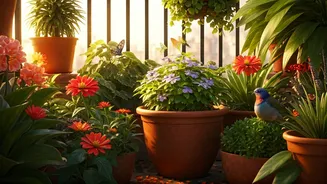
Perhaps the most beautiful outcome of planting native species is the return of local wildlife. Native plants and local fauna share a deep, evolutionary connection. [15] The flowers, seeds, and leaves of plants like Jamun, Neem, and various native grasses provide the specific food, shelter, and breeding grounds that local birds, butterflies, bees, and small mammals need to survive. [2, 5, 16] In contrast, many exotic ornamental plants are like a food desert for local wildlife; a study in Bangalore found that an overwhelming majority of urban trees were exotics that don't support local fauna nearly as well as native species. [15] By planting a garden with native species like Tulsi, Marigold, or Palash, a city home can become a vital micro-habitat, creating a pit-stop for pollinators and helping to stitch together fragmented ecosystems across the concrete jungle. [2, 3, 13]
How to Start Your Own Native Oasis
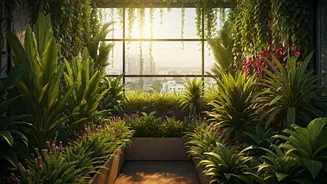
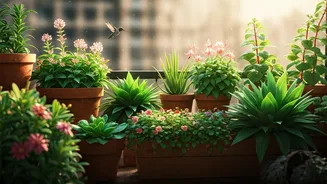
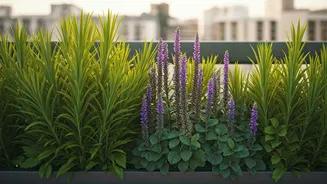
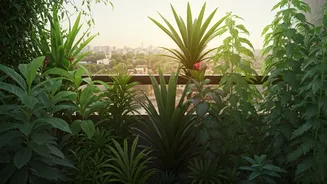
The idea of creating a native garden can seem daunting, but it’s easier than you might think. The key is to start small. You don't need a huge yard; a few pots on a balcony or a small patch in a terrace garden can make a difference. [2, 18] Begin by identifying plants native to your specific region in India. [7] Nurseries are increasingly stocking native varieties, and many organisations offer guidance. [3] Think about layering—mix shrubs, grasses, and flowering plants to create a more diverse and resilient space. [3] Simple, hardy plants like Tulsi (Holy Basil), various Jasmines, and Marigolds are excellent starting points that are both low-maintenance and culturally significant. [8] The goal isn't instant perfection, but to create a space that allows nature to take the lead. [19]
A Greener Urban Future
While an individual native garden is a small act, the collective impact can be transformative for a city. These green pockets help mitigate the urban heat island effect, where concrete and asphalt make cities significantly hotter. [13, 20] The deep root systems of many native plants improve soil health and water infiltration, which can reduce stormwater runoff and localised flooding. [5, 13] As more homes adopt this approach, cities can become cooler, more biodiverse, and more resilient to climate change. [4, 20] This trend is more than just a gardening choice; it's a powerful statement about creating more livable, sustainable cities and reconnecting with our ecological heritage. [2, 19]