



Before You Leave Home
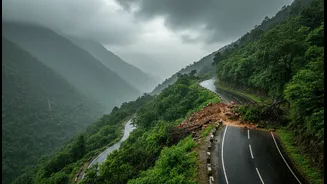
Preparation is the most critical step for safe monsoon travel. Before starting any journey, check the latest weather forecasts from reliable sources like the India Meteorological Department (IMD). Authorities often issue advisories, and if warnings are
in place for your route, it is best to postpone non-essential travel. For train journeys, verify your train's status online, as heavy rains frequently lead to delays, diversions, or cancellations. Recent disruptions on Western Railway routes due to waterlogging, for example, led to the cancellation of at least nine train services on July 8, 2026. Pack an emergency kit containing a fully charged phone, a power bank, essential medicines, drinking water, and some snacks. Keeping important documents and electronics in waterproof bags is also a wise precaution.
Essential Tips for Road Travel
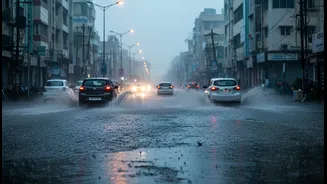
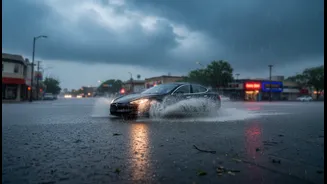
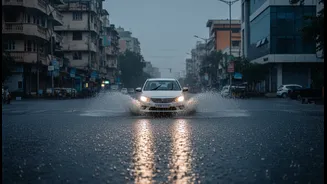
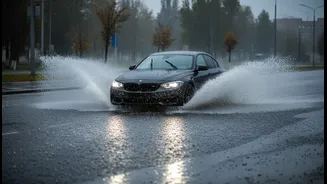
If you are travelling by car, a pre-journey vehicle check is non-negotiable. Ensure your tyres have adequate tread, and that your brakes, headlights, and windscreen wipers are in excellent condition. Once on the road, slow down significantly. Wet roads increase braking distance and the risk of skidding. Maintain at least double the usual distance from the vehicle in front of you. Using low-beam headlights during the day can dramatically improve your visibility to other drivers. One of the biggest dangers is flooded streets. Never attempt to drive through waterlogged areas if you cannot judge the depth; the water can conceal open manholes or deep potholes. Just a foot of water can be enough to make a vehicle float, leading to a loss of control. Be especially cautious of two-wheelers and pedestrians, who are more vulnerable in wet conditions.
What to Do if Your Car Gets Stranded
Getting stuck in a waterlogged area can be a frightening experience. Your safety is the priority. If water levels begin to rise around your vehicle, do not attempt to restart the engine, as this can cause severe and expensive damage. If it is safe to do so, evacuate the vehicle and move to higher ground immediately. If you are trapped inside, turn on your hazard lights to make your car visible to rescuers. While it might feel counterintuitive, you may need to wait for water pressure to equalize before you can open a door to escape. Once the water recedes, do not try to start the car. Call for a towing service to take your vehicle for a professional inspection, as there may be hidden damage.
Safety on the Railways
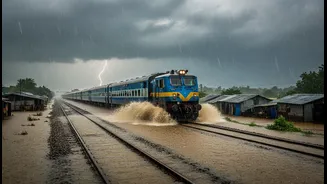
Train travel is often considered a safer alternative during monsoons, but it requires its own set of precautions. Railway platforms and footbridges can become extremely slippery. Always wear footwear with a good grip to prevent falls. Stay behind the designated safety line on platforms and listen carefully to public announcements for any last-minute platform changes or delays. Avoid standing near the doors of a moving train, especially when it is raining. The combination of a wet floor and sudden jerks can be dangerous. Indian Railways takes several precautions during this season, including increased track patrolling and clearing drains, but localised flooding can still impact services. If your train is delayed, avoid crossing tracks as a shortcut; always use designated footbridges.