




An Escape from the Concrete Jungle
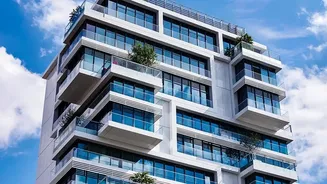
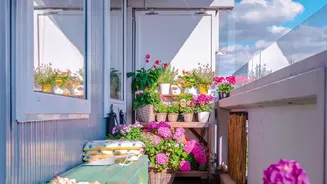
In metropolitan hubs like Mumbai, Delhi, and Bengaluru, where green space is a premium, residents are increasingly turning to their balconies to reconnect with nature. This growing movement is about more than just aesthetics; it's a response to the need
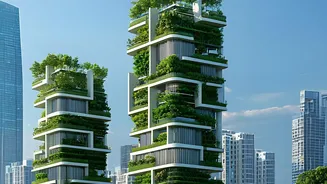
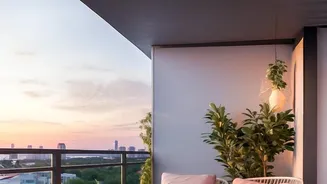
for a personal oasis amid the urban sprawl. A small patch of green offers a visual and mental break from concrete landscapes, helping to reduce the urban heat island effect on a micro-scale and improve air quality right outside your window. It’s a way to reclaim a small piece of the outdoors and make it your own, creating a serene corner for morning tea or evening relaxation.
A Boost for Your Well-being
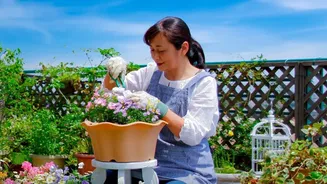
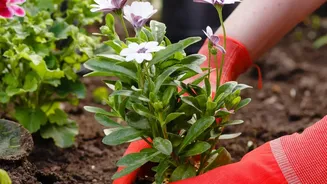
The benefits of gardening extend far beyond the visual. Engaging with plants is a proven way to reduce stress and anxiety. The simple, mindful acts of watering, pruning, and tending to plants can lower levels of cortisol, the body's stress hormone. This hands-on connection with nature provides a sense of purpose and accomplishment, improving overall mood and cognitive function. In a fast-paced urban life dominated by screens and schedules, nurturing a living thing offers a therapeutic routine and a welcome chance to slow down and be present.
From Balcony to Kitchen
One of the most rewarding aspects of a balcony garden is the ability to grow your own food. Concerns about pesticide use and a desire for fresh, healthy produce are driving many urban dwellers to start their own mini-farms. Even a small space can yield a surprising bounty of herbs, greens, and vegetables. Imagine snipping fresh coriander and mint for your chutney, or picking ripe cherry tomatoes and chillies for a meal. This practice not only provides ingredients that are fresh and flavourful but also fosters a deeper connection to the food you eat.
Getting Started: It's Easier Than You Think
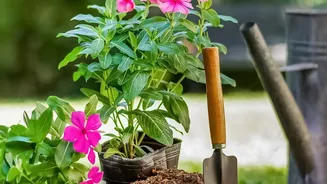
Starting a balcony garden doesn't require a green thumb or a huge investment. The first step is to observe your space: note how many hours of sunlight your balcony receives and from which direction. This will determine which plants will thrive. Most vegetables and flowering plants need at least four to six hours of sun. For smaller spaces, think vertically. Use railing planters, hanging baskets, and wall-mounted shelves to maximize your growing area without cluttering the floor. Begin with lightweight containers like plastic pots or grow bags, ensuring they have drainage holes to prevent waterlogging.
Choosing Your Green Companions
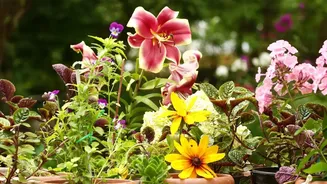
For beginners, starting with low-maintenance plants is key. Herbs are an excellent choice as they grow well in pots and are used frequently in Indian cooking; try growing Tulsi (Holy Basil), mint, coriander, and curry leaves. For flowers, hardy bloomers like Marigold, Bougainvillea, and Hibiscus add vibrant colour and are well-suited to Indian climates. If you have a shadier balcony, plants like the Money Plant, Snake Plant, and Spider Plant are forgiving and will flourish with indirect light. For edibles, chillies, cherry tomatoes, and leafy greens like spinach are productive and relatively easy to manage in containers.