
Myth: Boiling Water is Best for All Teas
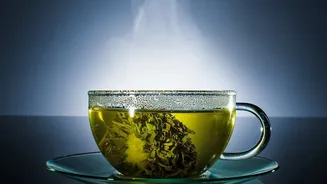
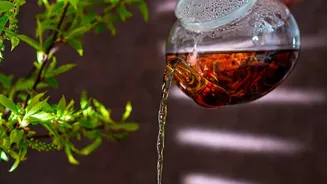
Using water straight from a rolling boil is perhaps the most common mistake tea drinkers make. While robust black teas and herbal infusions can handle the heat, boiling water (100°C) scorches delicate green and white tea leaves. This scorching releases
an excess of tannins, resulting in a bitter, harsh, and astringent flavour that masks the tea's natural sweetness and complexity. Many people who think they dislike green tea have likely only ever tasted it when it's been burned by water that was too hot. For a balanced cup, different teas require different temperatures. Green and white teas flourish in cooler water, typically between 70°C and 85°C, while oolongs sit somewhere in the middle.
Myth: Steeping for Longer Makes Tea Stronger
There's a fine line between stronger and just plain bitter. While it seems logical that a longer steep time would extract more flavour, it primarily extracts more tannins, the compounds responsible for bitterness and that dry-mouth feeling. Most of the desirable flavour compounds and caffeine are released within the first few minutes of brewing. Leaving the bag or leaves in for too long, especially with green or black teas, doesn't deepen the nuanced flavours; it just overpowers them with astringency. A delicate green tea might only need one to three minutes, while a black tea is often perfect at three to five minutes. If you want a more potent flavour, it's better to use more tea leaves rather than extending the steeping time.
Myth: Squeezing the Tea Bag Gets More Flavour Out
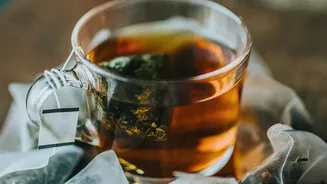
It’s a near-universal habit: hoisting the tea bag out with a spoon and pressing it against the side of the mug to get every last drop. While the intention is to extract more flavour, the action does the opposite of what's intended. That last bit of liquid you're forcing out is a highly concentrated dose of tannins. This is why squeezing a tea bag often results in a noticeably more bitter and astringent cup of tea. The pressure releases compounds that are best left inside the leaf, ruining the balanced flavour profile you achieved during the steep. For a smoother, more pleasant cup, simply lift the tea bag and let it drip for a moment before discarding it.
Myth: Tea Bags and Loose-Leaf Tea Are the Same Quality
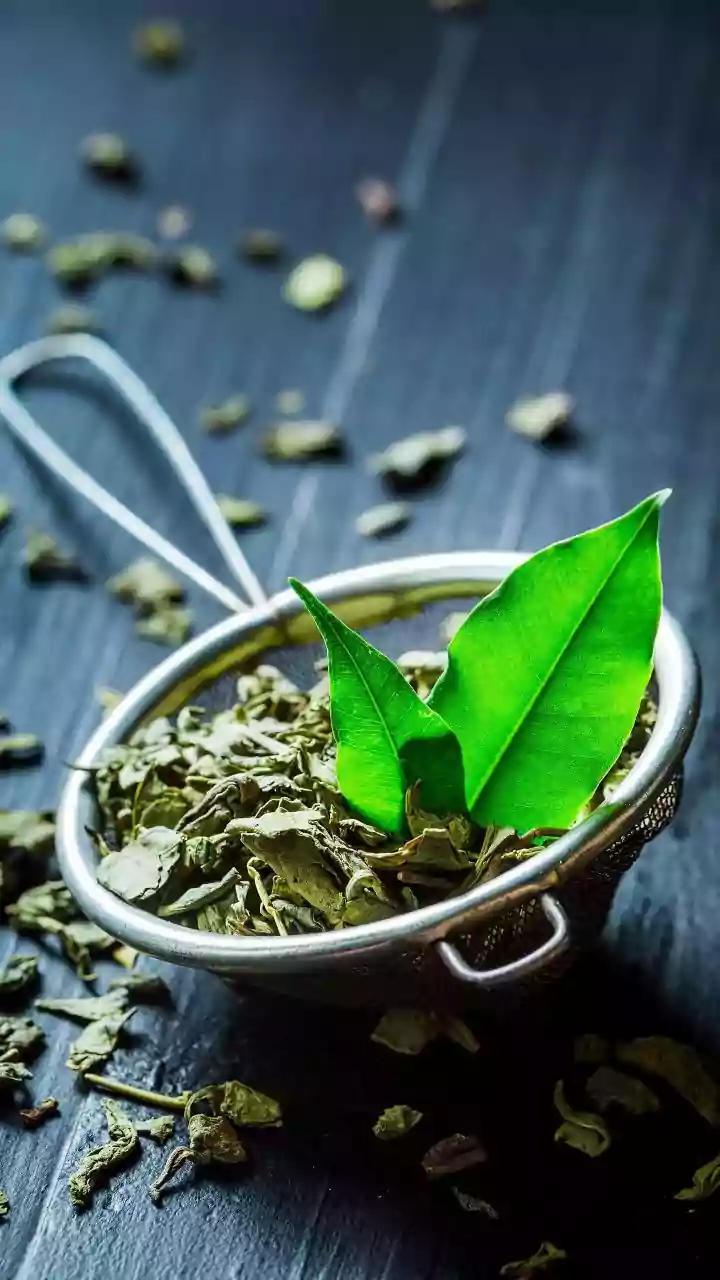
While convenient, standard tea bags are generally filled with 'fannings' or 'dust'—the smallest particles of tea leaves left over from processing. These tiny pieces have a greater surface area, which means they infuse quickly but also release tannins rapidly, often leading to a more bitter, one-dimensional flavour. Loose-leaf tea, on the other hand, consists of whole or larger broken leaves. These leaves have more space to unfurl and expand in the water, allowing for a fuller, more complex extraction of aromas, essential oils, and flavours. While some premium pyramid tea bags offer more room for higher-quality leaves, traditional flat bags simply can't compete with the flavour profile offered by loose-leaf tea.
Myth: You Can Store Your Tea Anywhere
Tea is highly sensitive to its environment. Its four main enemies are air, light, moisture, and strong odours. Storing tea in a clear glass jar on the kitchen counter might look pretty, but exposure to light will degrade the leaves and flatten the flavour. Likewise, air causes oxidation, which makes the tea stale. Tea leaves are also highly absorbent and will soak up strong smells from nearby spices, coffee, or even onions, permanently tainting their taste. The best way to preserve your tea’s freshness and flavour is to store it in an opaque, airtight container in a cool, dark, and dry place like a pantry or cupboard, away from the stove and sink.