




The Monsoon Skin Paradox: Humid but Dehydrated
It seems counterintuitive, but the high humidity of the rainy season doesn't automatically equal hydrated skin. In fact, it can lead to a compromised skin barrier. Your skin might feel oily or sticky on the surface due to increased sweat and sebum production,
which can clog pores and lead to breakouts. However, this surface-level moisture can be deceiving. The constant dampness, temperature fluctuations between the outdoors and air-conditioned indoors, and our tendency to wash our face more frequently can strip the skin of its natural oils, leaving it dehydrated underneath. This state of being both oily and dehydrated is what causes that uncomfortable tight-yet-shiny feeling and can make skin more prone to irritation.
Why Botanical Sheet Masks Are Your Best Friend
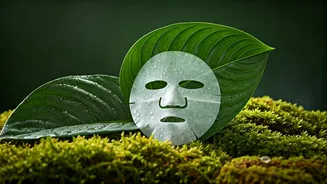
This is where the genius of a botanical sheet mask comes in. Unlike heavy creams that can feel suffocating in humid weather, a sheet mask provides a concentrated dose of serum in a lightweight format. The sheet itself acts as a barrier, preventing the potent, ingredient-packed serum from evaporating and allowing it to absorb deeply into the skin. Botanical ingredients are particularly well-suited for the monsoon. They are often rich in antioxidants and have soothing, anti-inflammatory properties that can calm the irritation, redness, and breakouts common during this season without adding greasiness.
Your Monsoon Ingredient Checklist
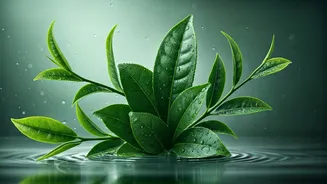
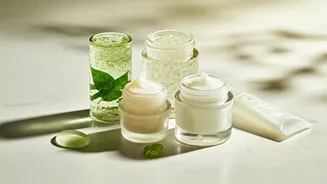
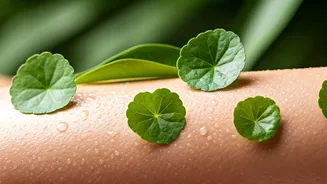
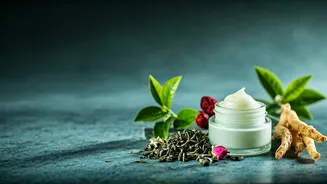
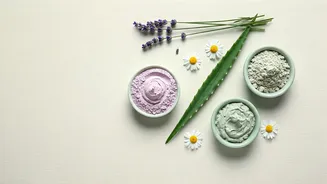
When choosing a botanical sheet mask, look for ingredients that balance, soothe, and hydrate. Green Tea is an excellent choice for oily and acne-prone skin as it helps control sebum production and has antimicrobial properties. Aloe Vera is another superstar, known for its ability to hydrate and soothe irritated skin without a greasy feel. For tackling breakouts and preventing fungal issues, which are more common in damp weather, Tea Tree oil is a powerful antiseptic. If your skin is feeling particularly red or reactive, look for Centella Asiatica (also known as Cica or Gotu Kola). This herb is renowned for its ability to calm inflammation and strengthen the skin's barrier. These botanicals, often paired with humectants like hyaluronic acid, provide the perfect balance of moisture and control.
The Ultimate Sheet Mask Ritual
To get the most out of your mask, timing and technique are key. Start with a thoroughly cleansed and toned face. This ensures there's no dirt or oil blocking the serum's absorption. Carefully unfold the mask and smooth it onto your face, ensuring it makes good contact with your skin. Now, relax for 15 to 20 minutes. This is the optimal time for the serum to penetrate. Don't be tempted to leave it on for longer; as the sheet dries, it can actually start to pull moisture back out of your skin. After removing the mask, don't rinse your face. Instead, gently pat the remaining essence into your skin, neck, and chest. Follow up with a lightweight, gel-based moisturiser to seal in all that goodness.
Common Mistakes to Avoid This Season
To truly master this hydration hack, steer clear of a few common errors. First, never apply a sheet mask to a dirty face. It traps impurities and can worsen breakouts. Second, as mentioned, resist the urge to wear it until it's bone-dry. Stick to the recommended time. A third mistake is washing off the nutrient-rich serum after you're done. This negates the mask's primary benefit; you want that essence to stay on your skin. Finally, don't assume that because your skin feels hydrated from the mask, you can skip your moisturiser. A moisturiser is crucial for creating a final seal to lock in the hydration delivered by the mask.