






The Science of Small Movements
The health risks of a sedentary lifestyle are well-documented, linked to everything from back pain and muscle weakness to an increased risk of heart disease and diabetes. While a daily gym session is great, research shows that breaking up long periods
of sitting with frequent, small movements can be incredibly beneficial. This concept is known as Non-Exercise Activity Thermogenesis (NEAT), which refers to the energy we use for everything that isn't formal exercise, sleeping, or eating. By increasing your NEAT, you can counteract the negative effects of prolonged sitting, improve circulation, and even boost your focus and mood. The goal isn't to get sweaty; it's to keep your body from becoming static.
Master the 'Micro-Break'
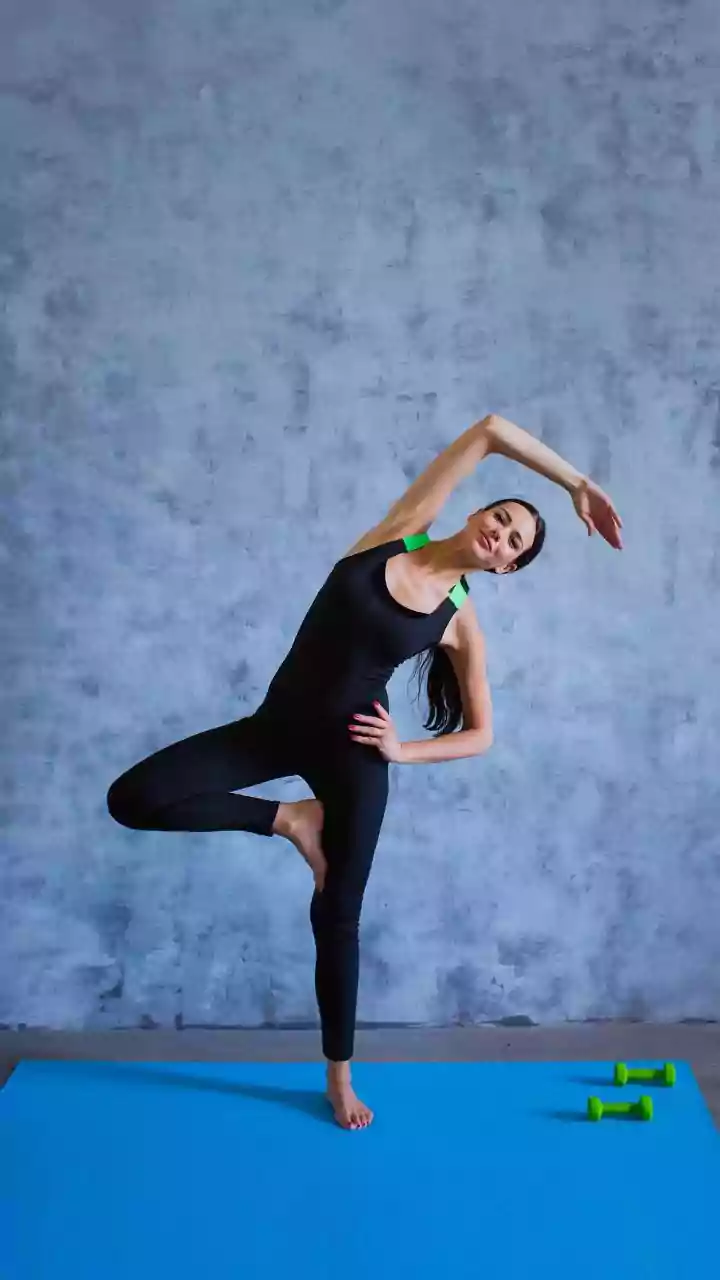
Instead of waiting for your lunch break, build tiny movement breaks into your schedule. A simple strategy is to set a timer to stand up every 30 to 60 minutes. During this brief pause, you can perform simple stretches right at your desk. Try neck rolls, shoulder shrugs, or a seated spinal twist to relieve tension. Even just standing up for a couple of minutes improves blood flow and can help reset your posture. These micro-breaks are short enough that they won't disrupt your workflow but frequent enough to make a physical difference over the course of the day.
Rethink Your Meeting Culture
Meetings are often prime time for sitting. Challenge this norm by suggesting 'walking meetings' for smaller groups or one-on-one chats. Pacing while on a phone call is another easy win; using a headset frees up your hands and makes it easier to move around. For longer virtual meetings, create a rule to stand and stretch every 45 minutes. It’s a small change that not only adds steps to your day but can also boost creativity and make conversations feel more dynamic.
Perform 'Invisible' Exercises
You don't need to do push-ups in the aisle to get active. Many effective movements can be done discreetly while sitting in your chair. Try seated calf raises by lifting your heels off the floor, or glute squeezes where you contract and hold for several seconds. You can also improve circulation by writing the alphabet in the air with your toes or doing ankle rotations. Another great option is to place a water bottle or small book between your knees and squeeze, engaging your inner thigh muscles. These exercises won't draw any attention but will keep your muscles engaged.
Engineer Your Environment for Activity
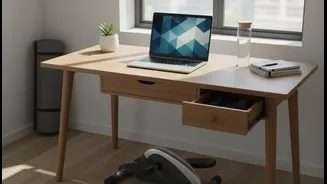
Make movement the path of least resistance. Opt for the stairs instead of the elevator whenever possible. Position your dustbin, printer, or water source across the room to force you to get up and walk. If you take public transport, consider getting off one stop early and walking the rest of the way. When you bring your lunch, take a short walk after eating instead of dining at your desk. If you have the option, alternating between a regular chair and an exercise ball or using a standing desk for part of the day can also promote constant micro-movements.
Use Your Commute and Lunchtime
Your journey to and from work, as well as your midday break, offers a golden opportunity for activity. If you drive, park your car at the farthest end of the parking lot to get in some extra steps. During your lunch hour, resist the urge to eat at your desk. Taking even a 10-minute brisk walk after your meal can aid digestion and help clear your mind for the afternoon ahead. This strategy, known as habit stacking, links a new habit (walking) to an existing one (eating lunch), making it easier to stick with over time. These small pockets of time add up, contributing significantly to your overall daily movement without feeling like a chore.