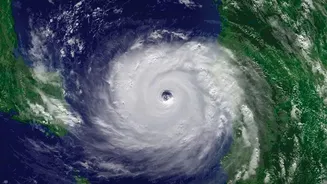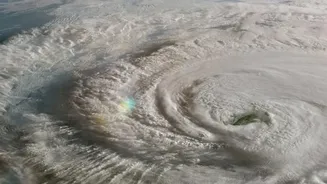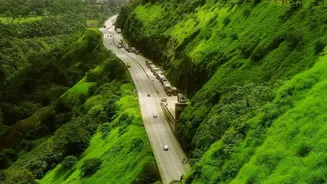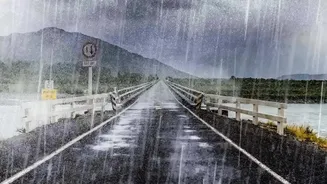




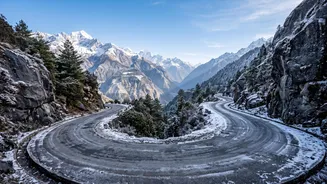
As Cyclone Arnab approaches, authorities have issued warnings, urging the public to avoid unnecessary travel. For those near hilly regions, the combination of torrential rain and high winds makes mountain roads exceptionally dangerous.
The Golden Rule: Avoid Travel If Possible
The single most
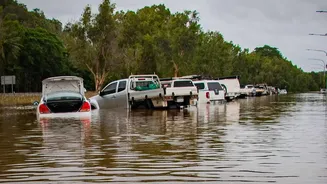
important piece of advice from any disaster management authority is to postpone your journey. Cyclones can trigger flash floods, landslides, and cause roads to collapse, especially in mountainous terrain. Both national and local authorities have advised the public to avoid unnecessary travel and monitor official forecasts. With Cyclone Arnab expected to bring extremely heavy rainfall and wind gusts reaching up to 140 km/h, staying put is your safest option. Airlines and railways have already issued advisories about potential cancellations and disruptions, reinforcing the message that travel will be hazardous.
Before You Leave: Essential Checks
If travel is absolutely unavoidable, meticulous preparation is critical. Before starting your engine, check your vehicle thoroughly. Ensure your tyres have adequate tread depth to handle slippery roads; experts recommend a minimum of 3mm for wet conditions. Check that your headlights, tail lights, and fog lamps are all functional for maximum visibility. Your wiper blades should be in excellent condition, able to clear water without streaking. Also, top up all essential fluids, including windshield washer fluid. It is wise to inform family or friends of your exact route and expected arrival time. Lastly, pack an emergency kit containing water, non-perishable food, a first-aid kit, a flashlight with extra batteries, and a fully charged power bank for your phone.
On The Road: Safe Driving Techniques
Driving on wet mountain roads requires a complete adjustment of your normal habits. The most crucial change is to reduce your speed significantly—by at least 30-50% compared to dry conditions. Increase the following distance between you and the vehicle ahead to at least 5-6 seconds to account for longer braking distances on wet asphalt. Use your low-beam headlights even during the day to improve your visibility to others. Avoid sudden braking or sharp turns, as these can easily lead to skidding. On downhill sections, shift to a lower gear to use engine braking rather than relying solely on your brakes. Never use cruise control in rainy conditions, as it can prevent you from reacting quickly if your vehicle starts to hydroplane.
Recognising Imminent Danger: Landslides and Floods
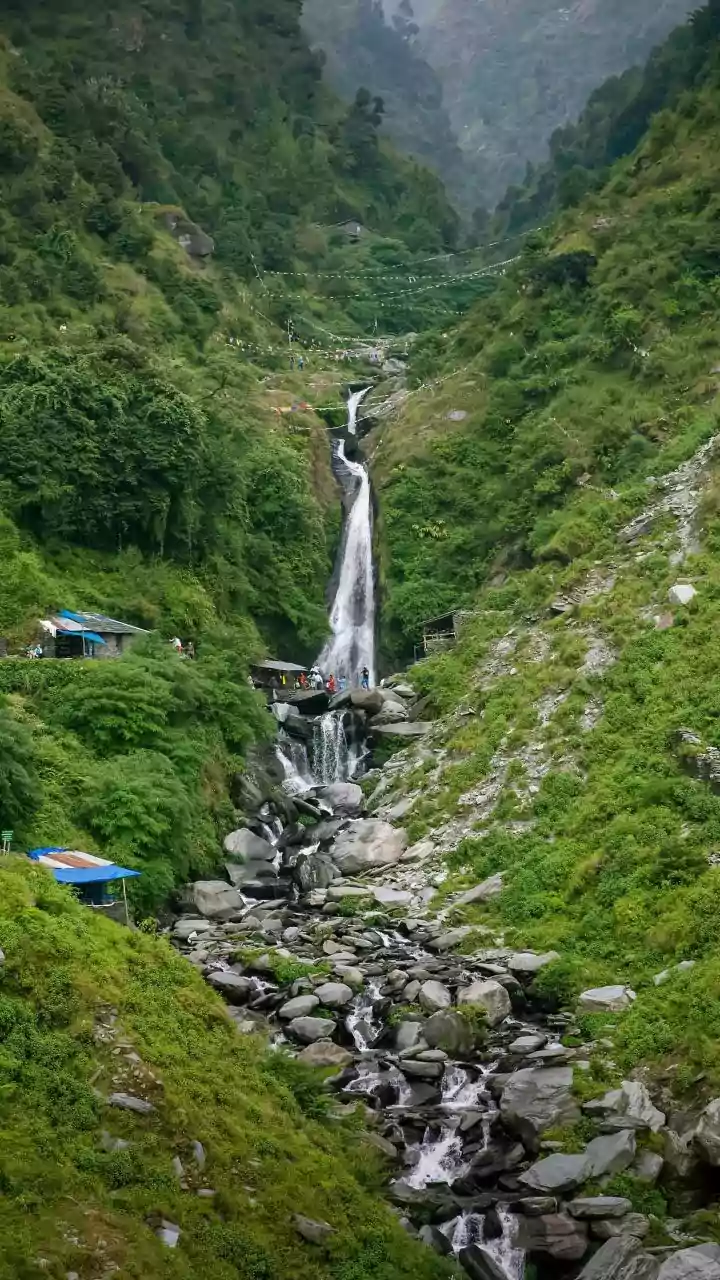
Mountain roads are highly susceptible to landslides during heavy rain. Be vigilant for warning signs. Listen for unusual rumbling sounds, cracking trees, or boulders knocking together, which might indicate moving debris. Look for changes in the landscape, such as newly tilted trees, poles, or fences, and be wary of any sudden increase or decrease in stream water levels. If water changes from clear to muddy, it can be a sign of a debris flow upstream. Never attempt to drive through fast-flowing water crossing the road; your vehicle can be swept away in just a few inches of water. Similarly, avoid driving through large pools of standing water, as they can hide deep potholes or cause your engine to stall.
What To Do If You Get Stranded
If conditions become too severe or you get caught on the road, your priority is safety. If visibility drops to near zero or the road ahead is blocked, pull over as far as possible, turn on your hazard lights, and wait for conditions to improve. If you are stuck near a potential landslide path, it may be safer to abandon your vehicle for higher ground if you can do so safely. Stay informed by listening to emergency broadcasts on a battery-powered radio or your phone, as long as you have signal and battery. Do not leave your safe location until authorities have confirmed it is clear to proceed.