


Health Takes Centre Stage
Perhaps the biggest driver of change is a collective move towards wellness. Today’s shoppers are increasingly trading deep-fried and sugar-heavy snacks for baked, roasted, or air-popped alternatives. This isn't just about cutting calories; it's about what’s
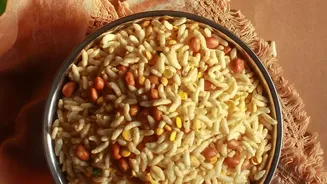
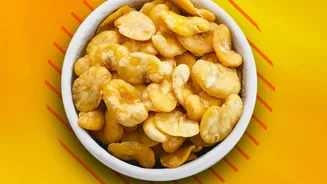
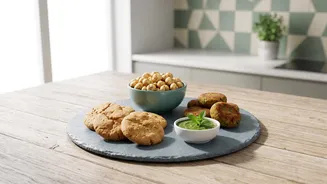
being added. A recent report found that 86% of Indian consumers now consider protein an important factor when choosing a snack. There's a clear preference for natural ingredients, with 61% favouring snacks sweetened with dates or jaggery over refined sugar. This quest for 'clean labels' means shoppers are meticulously reading ingredient lists, looking for snacks free from preservatives and artificial additives. As a result, items like roasted makhana (fox nuts), dry fruits, and millet-based snacks are no longer niche health foods but mainstream choices.
Convenience Remains King
While health is a priority, the demand for convenience has not faded. In fact, busy urban lifestyles and hectic work schedules continue to fuel the need for on-the-go options. This has led to the rise of single-serve, ready-to-eat snacks that fit seamlessly into a fast-paced day. The boom in quick commerce has been a game-changer, transforming snack buying into an impulse-driven, 'need-it-now' habit. Platforms like Blinkit and Zepto have made a diverse range of snacks more accessible than ever, allowing consumers to satisfy cravings in minutes. This digital shift benefits both consumers seeking variety and new brands looking to reach a national audience without relying on traditional retail networks.
A Return to Regional Roots
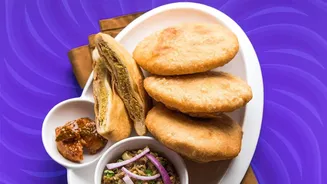
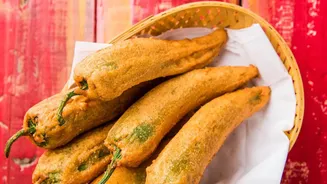
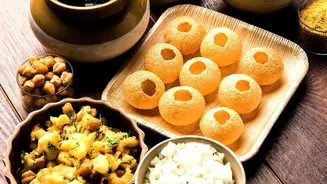
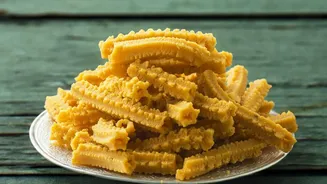
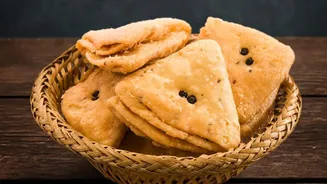
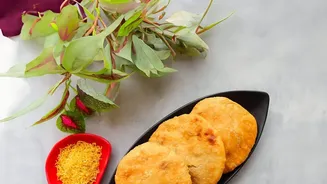
Interestingly, this modern snacking revolution also involves a look backward. There's a growing appreciation for traditional and regional Indian snacks, which are being revived and repackaged for a new audience. Brands are finding success by taking hyper-local favourites—like Kerala's banana chips or Gujarati gathiya—and giving them premium, hygienic packaging and a wider distribution. This trend is about more than just nostalgia; it's about authenticity. Shoppers are drawn to flavours that feel genuine and rooted in a specific culinary heritage. Some innovative brands are even creating fusion products, combining traditional Indian spices with international flavours to appeal to younger, more experimental palates.
The Rise of D2C Disruptors
This changing landscape has been fertile ground for a new wave of Direct-to-Consumer (D2C) brands. These agile startups are challenging legacy players by focusing on what modern consumers want: transparency, quality ingredients, and a strong brand story. By selling directly through their own websites and quick-commerce apps, they can build a direct relationship with customers, gather feedback quickly, and adapt their products to evolving tastes. Many of these brands, like Farmley, The Whole Truth, and GO DESi, have successfully tapped into the demand for healthier options, clean labels, and unique regional specialties, reshaping a market once dominated by a handful of large corporations.
Embracing 'Better-for-You' Grains
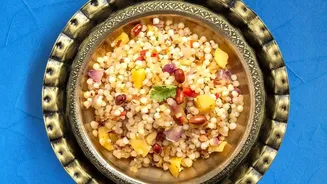
Driven by government initiatives and growing health awareness, millets are making a major comeback. Once considered a traditional staple, grains like ragi, jowar, and bajra are now the star ingredients in a variety of modern snacks, from baked namkeens and chips to crackers and puffs. The India millet snacks market was valued at over USD 600 million in 2025, underscoring the significant demand. Consumers are actively seeking these options because they are rich in fibre and nutrients, fitting perfectly into the broader trend of 'better-for-you' eating without sacrificing the satisfying crunch of a good snack.