





The Nutritional Power of Millets
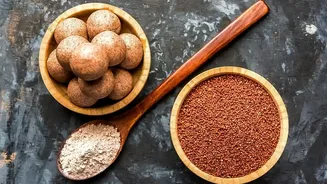
Ragi (finger millet) and bajra (pearl millet) are ancient Indian grains making a major comeback, and for good reason. Both are celebrated for their impressive nutritional profiles. Ragi is a powerhouse of calcium, containing significantly more than other
cereals, which is excellent for bone health. Bajra is prized for its high iron and phosphorus content, which can help boost haemoglobin levels and build strong bones. Both millets are naturally gluten-free and packed with dietary fiber. This high fiber content aids digestion, promotes a feeling of fullness to help with weight management, and helps in the slow release of sugar, making these rotis a good choice for those managing blood sugar levels. Their anti-inflammatory properties are also noted for potentially soothing joint pains.
Understanding the Challenge: No Gluten, No Problem
The primary reason home cooks struggle with ragi and bajra flour is the absence of gluten. Gluten is the protein in wheat that creates an elastic network when kneaded, allowing the dough to stretch without breaking. Without it, millet flour doughs are naturally crumbly, difficult to roll, and can result in dry, cracker-like rotis. Many first-time attempts lead to frustration as the rotis crack at the edges or refuse to puff up. However, the lack of gluten is not an insurmountable obstacle. The secret lies not in forceful kneading, but in changing how the flour interacts with water to create a pliable, cooperative dough.
The Golden Rule: Use Boiling Water
The most critical technique for soft millet rotis is using boiling hot water to make the dough. When you add boiling water to ragi or bajra flour, it gelatinizes the starches in the flour. This process essentially pre-cooks the flour, helping it bind together and create a more flexible, dough-like consistency that mimics the properties of gluten. Using cold or lukewarm water will result in a dough that cracks and breaks easily. To do this, bring water to a rolling boil, add salt and a teaspoon of oil, and then pour it over the flour in a bowl. Mix quickly with a spoon or spatula until it forms a shaggy, clumpy mass.
Knead While Warm for a Pliable Dough
Once you've mixed the flour and hot water, cover the bowl and let the mixture sit for 5 to 10 minutes. This allows the flour to fully hydrate and the dough to cool just enough to handle. It's important to knead the dough while it is still quite warm, as this is when it is most flexible. You can grease your hands with a little oil or ghee to prevent sticking. Knead for about 4-5 minutes until the dough transforms from a crumbly mixture into a soft, smooth, and pliable ball. If the dough feels too dry, you can wet your hands with a little warm water; if it's too sticky, add a tiny sprinkle of flour.
Rolling and Cooking for Softness
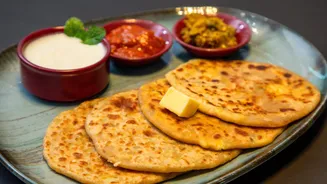
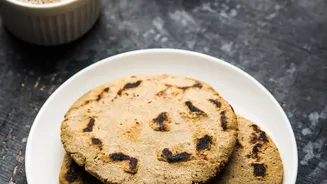
Rolling gluten-free dough requires a gentle touch. Since the dough can still be delicate, patting it out by hand is a traditional method. For an easier approach, place a dough ball between two sheets of parchment paper or inside a greased ziplock bag and roll it out evenly. Aim for a slightly thicker roti than you would with wheat, around 4-5 mm, to prevent cracking. Cook the rotis on a pre-heated medium-high tawa. Cook for about a minute on the first side until you see small bubbles, then flip. Gently press down on the roti with a soft cloth or spatula to encourage it to puff up. Once cooked, transfer it to a container and apply a little ghee to keep it soft.
Easy Add-ins for Beginners
If you are new to millet flours, you don't have to go all-in at once. A great way to start is by mixing ragi or bajra flour with whole wheat flour. A 50/50 or 75/25 ratio of millet to wheat can make the dough much easier to handle while still providing nutritional benefits. You can also enhance the moisture and flavour by adding finely chopped onions, coriander, or even grated vegetables like carrots or zucchini to the dough. Another popular binding agent is a small amount of psyllium husk (isabgol), which forms a gel when mixed with water and adds elasticity to the dough.