





More Than Just Ancient Ruins
Archaeology is undergoing a profound transformation. Traditionally focused on human history, it is now a crucial partner in environmental science. The emerging field of “climate change archaeology” uses data from archaeological digs to understand how
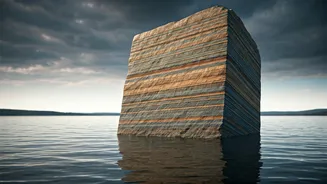
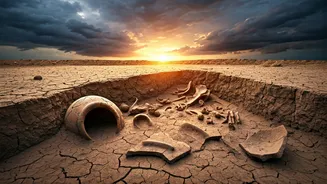
humans and their environments interacted during past periods of climate stress. This isn't just about correlating historical events with weather; it's an integrated science that combines the study of ancient environmental conditions with archaeological information. By examining everything from soil layers and pollen to animal bones and man-made structures, archaeologists can reconstruct past landscapes with remarkable detail, offering a long-term perspective that modern climate records, which only go back about 150 years, simply cannot provide. This deep historical context allows scientists to identify tipping points that forced societies to reorganize and adapt, providing invaluable lessons for today.
A Library of Human Adaptation
The archaeological record is a vast library of human experimentation. It shows that societies have always faced climate variability and have developed a diverse range of strategies to cope. For example, research into the Indus Valley civilization reveals a population that was well-adapted to variable monsoon patterns long before their cities rose. They employed diverse subsistence strategies, which likely helped them weather environmental changes. In contrast, studies in other regions, like ancient Anatolia (modern-day Turkey), show that while societies could adapt to dry conditions for a time, their resilience was eventually undermined when climate stress was combined with other pressures like pandemics and war. By studying these successes and failures, archaeologists can identify the factors that promote resilience. Research suggests that flexible, cooperative societies with diverse food sources often fared better than rigid, hierarchical ones that were overly dependent on a narrow range of resources.
Data for a Warming World
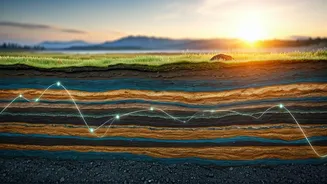
Perhaps the most direct contribution of archaeology to the climate conversation is through data. Climate models used to predict future scenarios are complex, but they often oversimplify or omit the impact of human activity on the land over millennia. An international project called LandCover6k is working to change this by aggregating global archaeological and historical evidence of land-use systems. This information, which details what crops and animals were farmed and how much land was used, helps create more accurate models of how human actions have affected land cover and, consequently, the climate. Archaeological sites are unique environmental archives, containing records of ecological change on a human timescale. Proxy data from these sites—such as sediment cores, ancient pollen, and even chemical signatures in pottery—can help scientists test and refine climate models, enhancing their ability to predict future changes.
A Human Perspective on a Global Crisis
Ultimately, archaeology brings a vital human dimension to a discussion often dominated by abstract data points. It reminds us that climate change is not just an environmental issue but a social and cultural one. The past provides countless stories of innovation, migration, and reorganization, showing that there is often more than one solution to the problems posed by a changing climate. It highlights the importance of cultural diversity as a source of resilience, demonstrating that different societies have found unique ways to thrive in challenging conditions. For instance, traditional and Indigenous farming practices, many of which are preserved in the archaeological record, offer sustainable alternatives to modern industrial agriculture. By engaging with the past, we can find inspiration and practical solutions to help plan for a more sustainable future.