
The Allure of Slow Travel
A major force behind this trend is Gen Z's growing embrace of 'slow travel'. Rejecting the packed, multi-city itineraries of the past, younger travellers are increasingly seeking more meaningful and immersive experiences. This philosophy prioritises depth
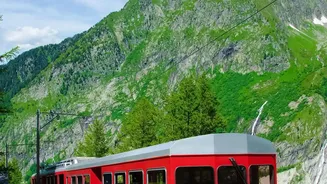
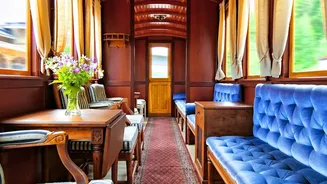
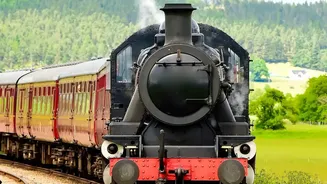
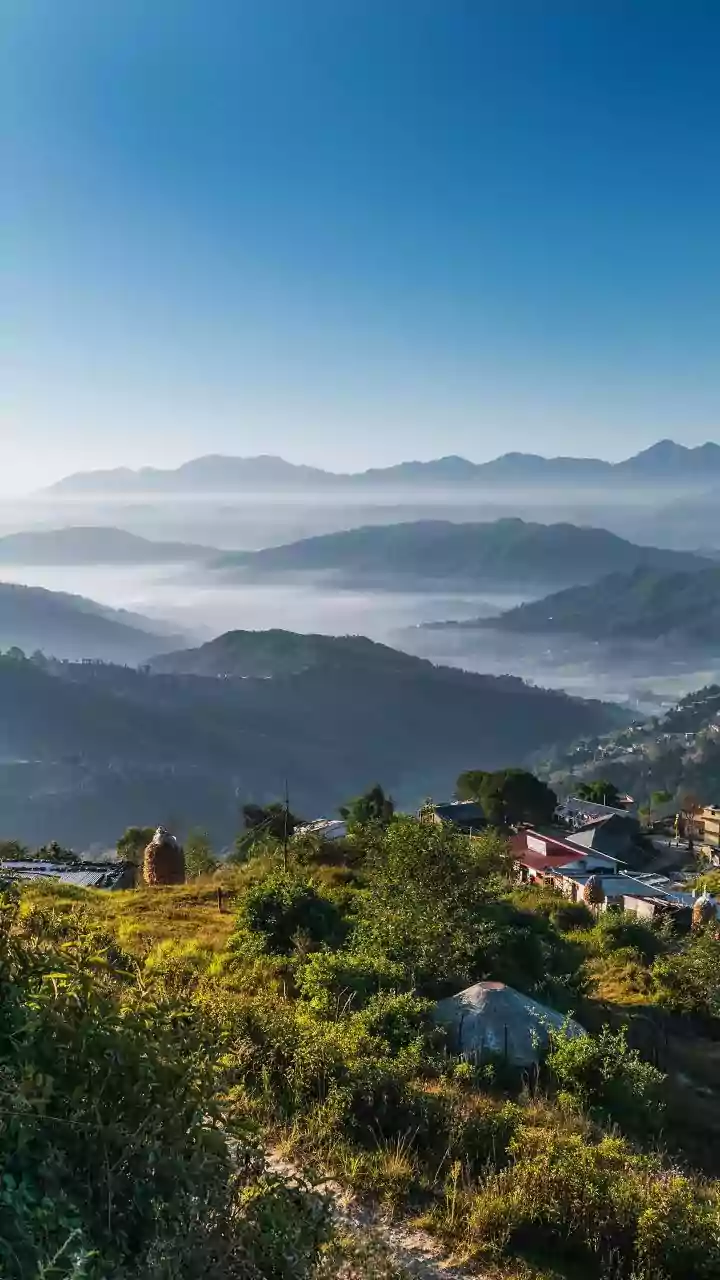
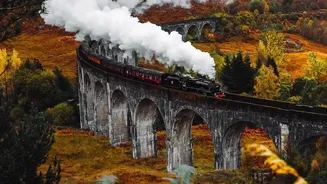
over distance, encouraging travellers to spend more time in one place and connect with their surroundings. Heritage train journeys are the perfect embodiment of this mindset. The trip itself becomes the destination, a deliberate act of slowing down and appreciating the journey through mountains, valleys, and villages at a leisurely pace. This shift is partly a reaction to burnout, with many young people seeking escapes that offer genuine relaxation over a checklist of sights.
Designed for the Digital Eye
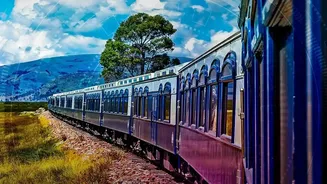
Indian Railways has played a crucial role in this revival by making these journeys incredibly photogenic. The introduction of Vistadome coaches has been a game-changer. These coaches feature massive panoramic windows and glass roofs, essentially turning the train into a moving observatory. The design is perfectly engineered for social media, providing a stunning, ever-changing backdrop for Instagram Reels and photo dumps. Travel influencers and everyday passengers alike have flooded social platforms with videos of waterfalls cascading past their windows or trains winding through misty hills, creating a powerful cycle of user-generated publicity. This organic marketing makes these trips highly desirable for a generation that often discovers travel inspiration online.
Accessibility in the Modern Era
When we talk about accessibility, it's about more than just physical access. For Gen Z, it also means ease of booking, clear information, and a sense of safety. While Indian Railways has been working to improve physical accessibility with ramps, wheelchair services, and specially designed coaches, the digital accessibility is just as important. Online booking platforms like IRCTC have made planning these trips straightforward. Furthermore, the curated nature of these tourist trains provides a structured yet authentic experience, which is appealing to young travellers who value both independence and security. The popularity of these routes among groups also highlights a preference for shared experiences over solo sightseeing.
India's Most 'Grammable Journeys
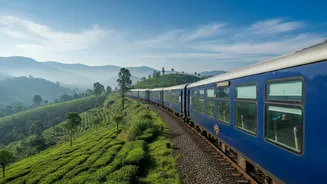
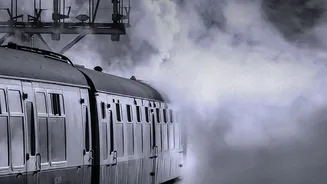
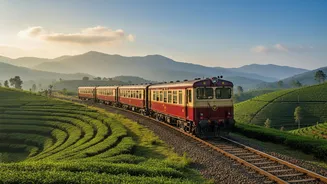
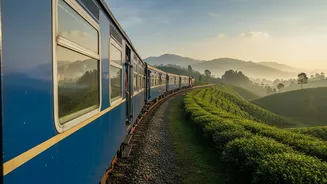
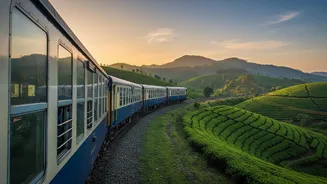
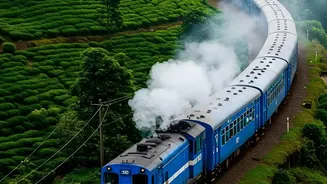
Several routes across India have become bucket-list items for this new generation of travellers. The Nilgiri Mountain Railway (NMR) in Tamil Nadu, a UNESCO World Heritage site, is a prime example. Famous for its appearance in the song 'Chaiyya Chaiyya', its vintage steam engines and scenic route through the Blue Mountains offer timeless appeal. Similarly, the Kalka-Shimla Railway, another UNESCO site, provides breathtaking views of the Himalayas. Journeys on Vistadome-equipped trains, such as those on the Mumbai-Goa or Bengaluru-Mangaluru routes, are sought after for their spectacular views of the Western Ghats, especially during the monsoon.
A Bridge Between Past and Present
Ultimately, the trend is about more than just pretty views. It represents a unique fusion of nostalgia and modernity. These heritage railways, some over a century old, are living pieces of history. For many young Indians, they offer a tangible connection to the past and a form of cultural tourism that feels authentic and enriching. They seek out stays and experiences that have a story. By making these historic journeys comfortable, visually stunning, and easy to share, railway operators have successfully bridged the gap between a bygone era and the digital age. It proves that even in our fast-paced world, there is a deep and growing appreciation for experiences that are timeless, scenic, and worth savouring.