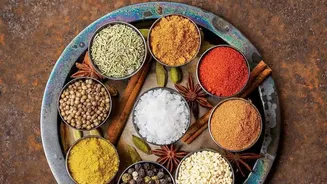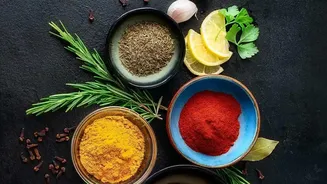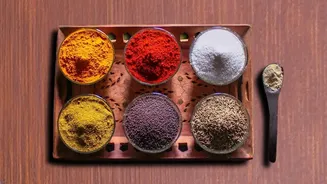

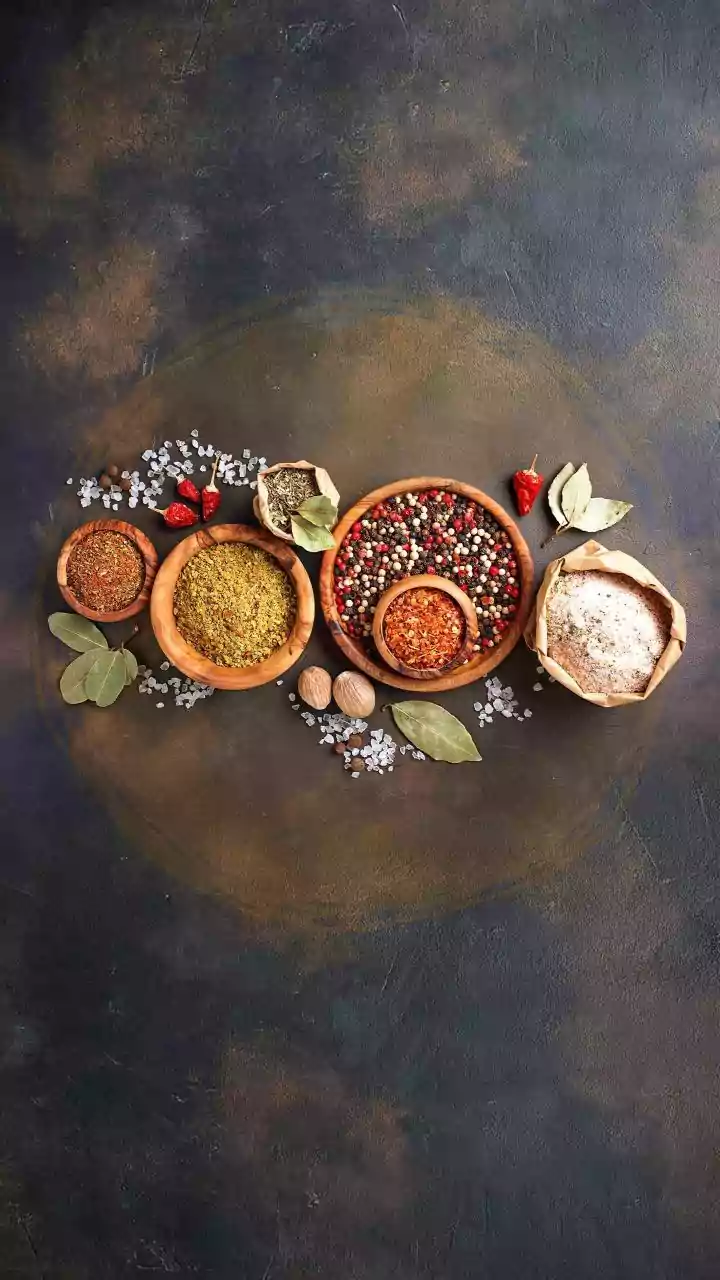
The soul of Indian cooking lies in its masterful use of spices. Making your own blends is a game-changer, and so is knowing how to wield fresh herbs. It's time to unlock a new level of flavour in your kitchen with these foundational masalas.
The Quintessential: Garam Masala
No Indian
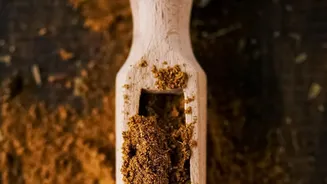
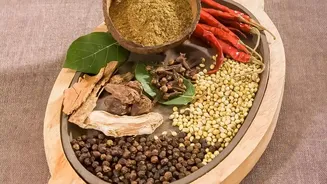
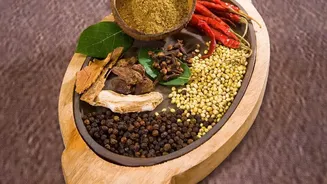
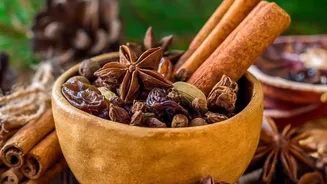
spice collection is complete without garam masala. The name translates to 'warm spice mix', and it delivers just that—a comforting warmth and aromatic depth, not necessarily heat. Recipes are fiercely guarded family secrets, but they generally revolve around a base of cinnamon, cloves, black peppercorns, cumin, and both green and black cardamom. This blend is typically added towards the end of cooking or sprinkled over a finished dish to preserve its potent fragrance. To make a simple version, gently toast whole spices until fragrant, allow them to cool completely, and then grind to a fine powder.
The Street Food Star: Chaat Masala
If you've ever wondered what gives Indian street snacks their irresistible tangy, funky kick, the answer is chaat masala. This is a complex, savoury, and sour blend that wakes up everything it touches, from fruit salads to fried potatoes. Its signature ingredients are amchur (dried mango powder) for sourness and kala namak (black salt) for a unique, slightly sulphurous pungency. These are combined with cumin, coriander, and black pepper. It's a finishing spice, meant to be sprinkled on just before serving to provide that final, vibrant punch of flavour.
The Bengali Five: Panch Phoron
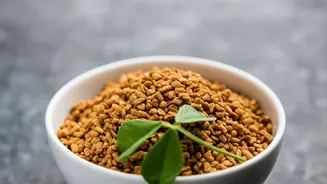
Unlike the other ground masalas on this list, Panch Phoron is a blend of five whole spices, central to Bengali cuisine. The name literally means 'five tempering spices'. It consists of an equal-parts mixture of cumin seeds, fennel seeds, nigella seeds, fenugreek seeds, and brown mustard seeds. This blend is not ground into a powder. Instead, the whole seeds are tempered (fried briefly) in hot oil or ghee at the beginning of the cooking process. As they pop and sizzle, they release a layered aroma—earthy, sweet, and slightly bitter—that forms the flavour base for lentil dishes, vegetables, and fish curries.
The Mumbai Favourite: Pav Bhaji Masala
This robust and highly aromatic blend is the heart and soul of Pav Bhaji, the famous Mumbai street food dish of mashed vegetables served with buttered bread rolls. It’s a complex masala designed to give the 'bhaji' its distinctive, deep flavour and rich colour. While recipes vary, they often feature a dozen or more spices. Key components typically include coriander seeds, cumin, fennel seeds, cinnamon, cloves, black cardamom, and a generous amount of dried red chillies for colour and moderate heat. Amchur is also crucial for adding a hint of tanginess.
The Finisher: The Point of Fresh Coriander
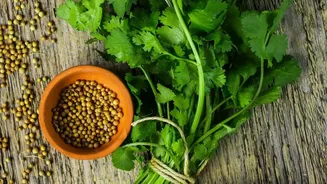
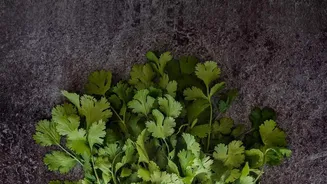
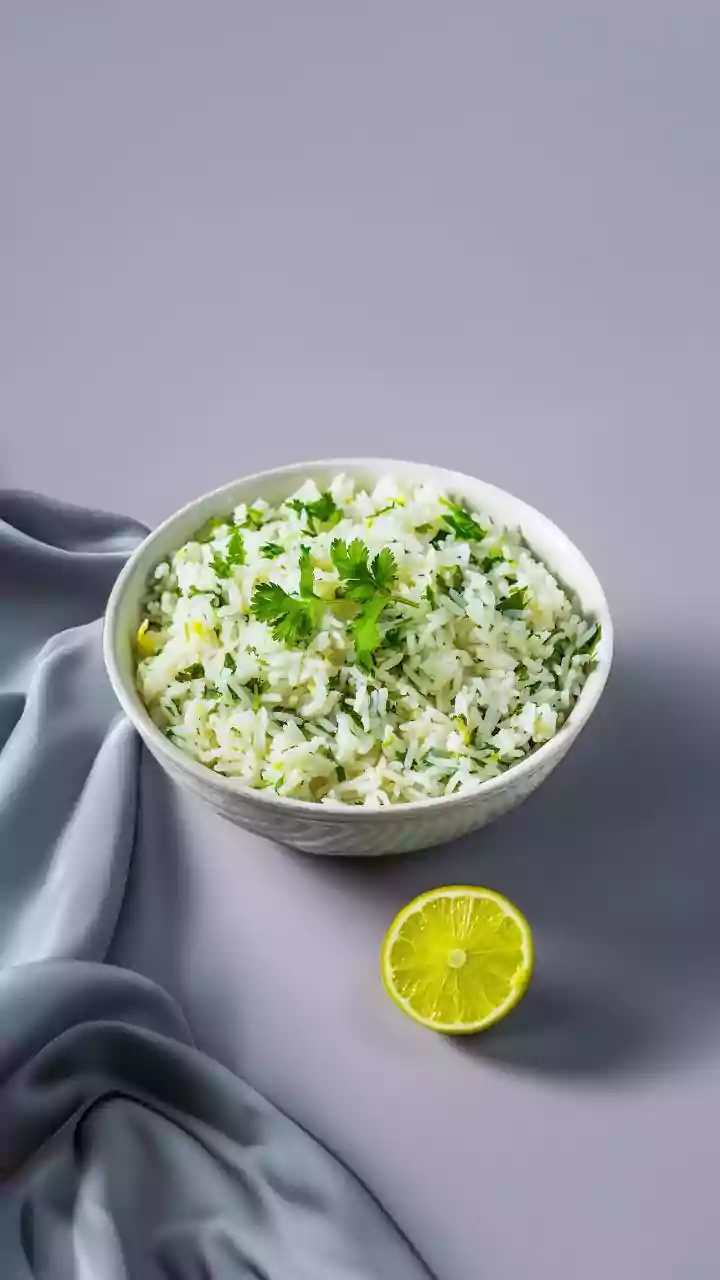
Here is the main point: fresh coriander (dhaniya patta) is a finishing herb, not a cooking spice. Its purpose is entirely different from that of dried coriander seeds, even though they come from the same plant. Fresh coriander has a bright, citrusy, and powerfully aromatic flavour profile. These delicate characteristics are due to volatile oils that are quickly destroyed by heat. Adding it early in the cooking process is a waste; its flavour will disappear. The correct way to use fresh coriander is to add it raw at the very end—stirred into a curry just before serving, or generously sprinkled on top as a garnish. This preserves its fresh, vibrant punch, which lifts and brightens the entire dish.
That 'Soapy' Taste Explained
Ever had someone complain that your coriander-laced dish tastes like soap? They aren't just being fussy. For a portion of the population, fresh coriander does indeed taste soapy. This is due to a genetic variation. These individuals have a specific olfactory receptor gene, known as OR6A2, which is highly sensitive to the aldehyde chemicals naturally present in coriander leaves. These same aldehydes are also by-products of soap-making. So, when they smell coriander, their brain registers a scent they strongly associate with soap. It’s a fascinating quirk of genetics that makes this herb one of the most divisive ingredients in the culinary world.