




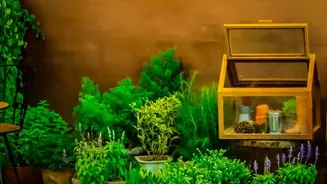

The Truth About 'Air-Purifying' Plants
First, let's address the big claim. The idea that houseplants can significantly clean indoor air comes from a famous 1989 NASA study. It found that in sealed laboratory chambers, certain plants were effective at removing airborne pollutants like formaldehyde
and benzene. However, our homes are not sealed labs. More recent research suggests you would need a very large number of plants—perhaps hundreds—to meaningfully impact the air quality in a typical, ventilated room. So, while a few plants won't replace a good air purifier, they offer numerous other benefits. They add life and colour to our decor, can boost mood, reduce stress, and bring a refreshing sense of nature into our daily lives. Think of them as living decor that makes you feel good, with a minor air-freshening bonus.
1. Snake Plant (Dracaena trifasciata)
Often called 'mother-in-law's tongue', the snake plant is the champion of low-maintenance gardening. Its stiff, upright leaves with striking patterns make it a modern decor favourite. It's incredibly resilient and can survive in low light and with infrequent watering, making it perfect for beginners or busy households. While its air-purifying abilities in a home are often overstated, it is a tough plant that thrives on neglect. An interesting feature is its ability to perform a type of photosynthesis that allows it to release oxygen at night, though the effect on a room's air is negligible. Be aware that snake plants are toxic if ingested, so keep them away from pets and curious children.
2. Spider Plant (Chlorophytum comosum)
The spider plant is another easy-to-care-for classic, known for its arching leaves and the tiny 'spiderettes' or baby plants that dangle from the mother plant. These offshoots can be easily repotted to create new plants, making it a joy to propagate and share. NASA's study noted its effectiveness in removing formaldehyde in controlled settings. In a home, it's valued for being non-toxic to pets and children, which is a major plus for many families. It can also help increase humidity in a room through its natural transpiration process. It prefers bright, indirect light but is quite adaptable. Its forgiving nature and cheerful appearance make it a popular choice for hanging baskets or shelves.
3. Peace Lily (Spathiphyllum)
With its elegant dark green leaves and beautiful white spathes that look like flowers, the peace lily adds a touch of sophistication to any room. It is known for its ability to thrive in lower light conditions than many other flowering plants, making it ideal for brightening up indoor spaces. Peace lilies were also one of the top performers in the NASA study for removing various toxins under lab conditions. They prefer consistently moist, but not waterlogged, soil and will visibly droop when thirsty, providing a clear signal that it's time to water. This plant is toxic to both humans and pets if consumed, so place it with care.
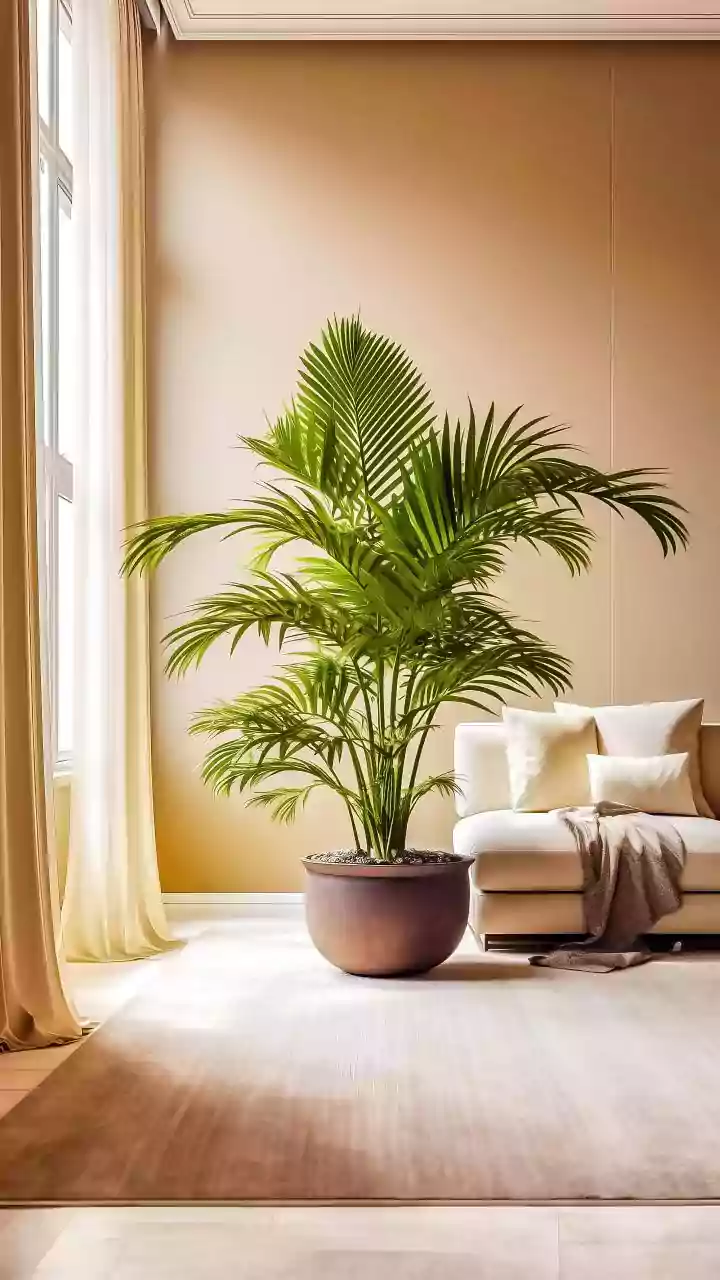
4. Areca Palm (Dypsis lutescens)
If you want to create a tropical feel, the Areca Palm is an excellent choice. Its feathery, arching fronds can bring a sense of the outdoors inside, growing quite tall and making a statement in a living room or hallway. This plant is relatively easy to grow in the Indian climate and is non-toxic, making it safe for homes with children and pets. Areca palms release moisture into the air, acting as a natural humidifier. They do best in bright, indirect sunlight and need their soil to be kept lightly moist. According to Vastu, it's also considered a plant that brings positive energy and harmony.
5. Money Plant (Epipremnum aureum)
No list of Indian household plants would be complete without the ubiquitous money plant, also known as Pothos. Cherished for its heart-shaped leaves and trailing vines, it's incredibly easy to grow in both soil and water. It's a staple in many homes, believed to bring good fortune. The money plant is very forgiving and can tolerate a wide range of lighting conditions, though it thrives in indirect light. It's an excellent choice for placing on top of shelves or in hanging planters where its vines can cascade down beautifully. Like the peace lily and snake plant, it is toxic if ingested, so be mindful of its placement around pets and small children.
6. Aloe Vera (Aloe barbadensis miller)
Aloe Vera is often called a 'miracle plant' for good reason. While it was part of air quality studies, its primary fame comes from the soothing gel inside its thick, fleshy leaves, which is a popular home remedy for minor cuts and skin irritation. As a succulent, it thrives in bright, sunny conditions and requires minimal watering—in fact, overwatering is the most common mistake. It prefers well-draining soil, and a terracotta pot can help wick away excess moisture. Having an Aloe Vera plant on a sunny kitchen windowsill is both beautiful and practical, giving you easy access to its healing properties.