







Embrace Warm Soups and Broths
There's nothing more comforting on a rainy day than a warm bowl of soup. During the monsoon, our digestive system tends to become weaker. Warm, light, and freshly cooked foods are recommended by both Ayurvedic principles and modern nutrition to aid digestion.
Soups made from seasonal vegetables like tomatoes, carrots, and bottle gourd are not only easy on the stomach but also incredibly hydrating. Adding immunity-boosting spices like ginger, garlic, and black pepper can help protect you from common colds and flu. A classic South Indian rasam or a simple mixed vegetable broth can be a perfect addition to your lunch or dinner, providing essential nutrients and warmth.
Go for Gourds and Seasonal Vegetables
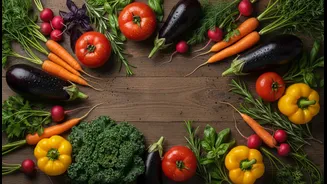
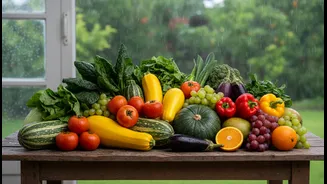
The monsoon brings a specific bounty of vegetables that are perfectly suited for the season. Gourds such as bottle gourd (lauki), bitter gourd (karela), ridge gourd (turai), and snake gourd (chichinda) are excellent choices. These vegetables are high in water content, low in calories, and easy to digest. Bitter gourd, in particular, is known for its medicinal properties that help purify the blood and boost immunity. While leafy greens are healthy, during the monsoon they are more prone to contamination. It's crucial to wash them thoroughly and cook them well before eating rather than consuming them raw in salads.
Power Up with Probiotics
Gut health is directly linked to a strong immune system, and the monsoon is a critical time to focus on it. Probiotics, which are beneficial bacteria, help maintain a healthy gut microbiome, fighting off harmful pathogens. Low-fat yogurt and buttermilk (chaas) are excellent sources of probiotics. They aid digestion and can help prevent the stomach issues that are common during this season. While some Ayurvedic traditions advise limiting dairy, freshly prepared yogurt or buttermilk is often considered beneficial for keeping your digestive system in balance.
Choose Seasonal Fruits Wisely
While it's tempting to indulge in all kinds of fruits, the monsoon calls for mindful choices. Seasonal fruits like jamun, plums, peaches, pears, and pomegranates are highly recommended. Jamun is prized for its digestive benefits, while pomegranates and pears are packed with antioxidants and immunity-boosting Vitamin C. Fruits with high water content, like melons, are sometimes advised against in traditional diets as they can weaken digestion during this season. Opting for fruits like apples and papayas, which contain digestive enzymes like papain, can be a great way to satisfy your sweet cravings while supporting your gut health.
Harness the Power of Spices
The Indian spice box is a treasure trove of medicinal benefits, especially during the rainy season. Spices like turmeric (haldi), ginger (adrak), garlic (lehsun), black pepper (kali mirch), and asafoetida (hing) are known for their anti-inflammatory, antiviral, and antibacterial properties. Turmeric is a powerful immune modulator, while ginger is excellent for soothing a sore throat and improving digestion. Incorporating these spices generously into your daily cooking, from dals to vegetable curries and herbal teas, can significantly enhance your body's defense system against seasonal infections.
Opt for Light Lentils and Grains
Heavy meals can tax the digestive system, which is naturally weaker during the monsoon. It's a good time to switch to lighter grains and lentils. Moong dal is particularly recommended as it is easy to digest and highly nutritious. A simple khichdi, made from rice and moong dal, is considered a perfect monsoon meal—it's balanced, comforting, and gentle on the stomach. Old grains like barley and brown rice are also good choices over refined flours. These foods provide sustained energy without making you feel bloated or lethargic.