
From Waste to Wonder
In most Indian kitchens, fresh herbs like coriander (dhania) and mint (pudina) are essential. We meticulously pluck the leaves for chutneys, garnishes, and marinades, but the stems often end up in the compost or trash. This is a missed opportunity. Herb
stems, especially those from soft herbs like coriander, are packed with a concentrated, intense version of the plant's flavour. By tossing them out, we're throwing away a valuable culinary asset. Zero-waste cooking isn't just about being environmentally conscious; it's a philosophy that encourages creativity and getting the most value from our ingredients. Turning these stems into infused oils is a simple, brilliant first step.
The Science of Flavourful Infusion
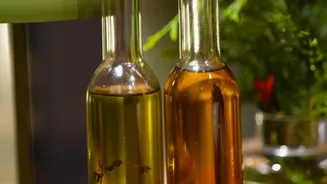
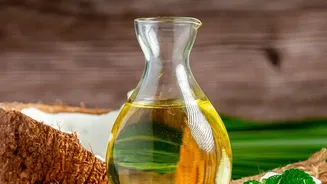
Making an herb-infused oil is a straightforward process of transferring the flavour compounds from the plant into the oil. There are two primary methods: cold infusion and heated infusion. Cold infusion involves simply steeping the herbs in oil for an extended period, which is a slower process. The heated method speeds things up significantly. By gently warming the oil, you encourage the herb's essential oils and flavour molecules to release and dissolve into the liquid. For herb stems, which are more fibrous than leaves, a gentle heat method is particularly effective. It helps break down the tough cellular structure, unlocking the potent flavours trapped within. The result is a vibrant, aromatic oil that carries the very essence of the herb.
A Simple Guide to Herb-Infused Oil
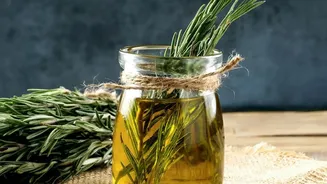
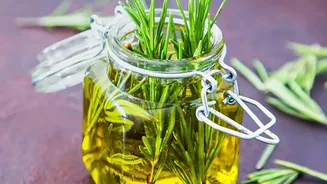
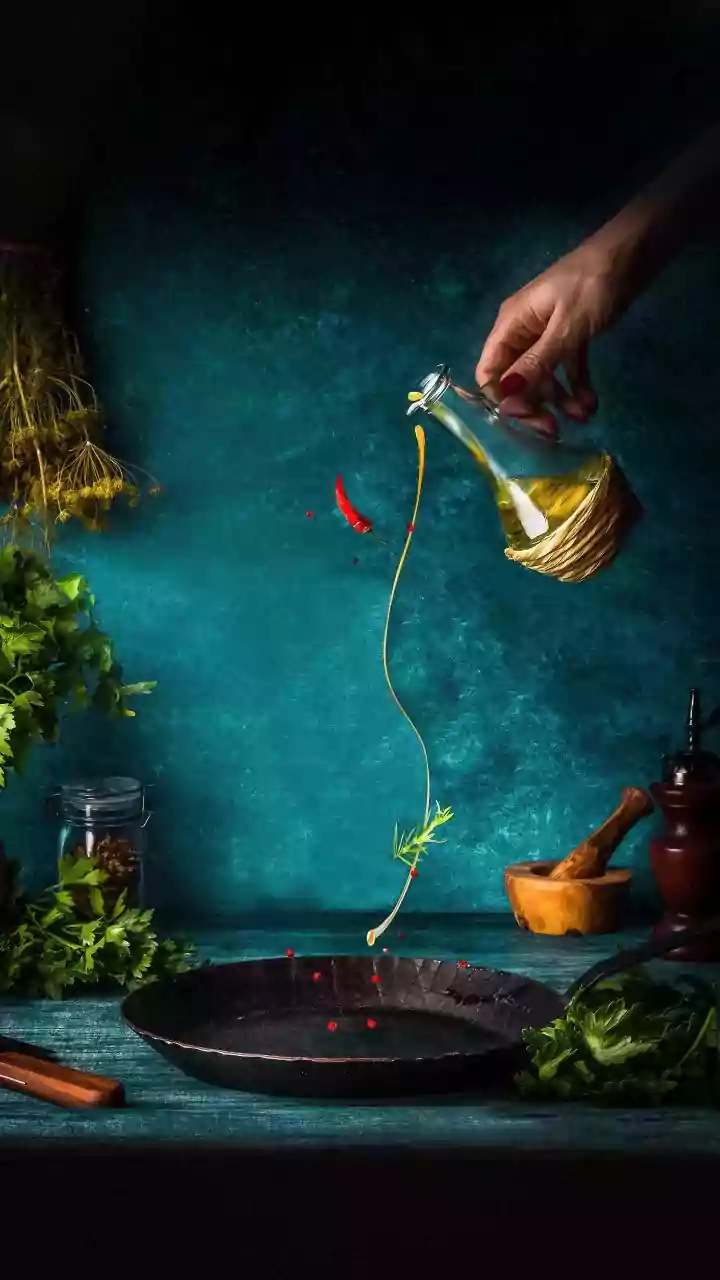
Ready to transform your kitchen scraps? Here’s a basic method that works beautifully for coriander and mint stems. First, gather your stems. You'll want a large handful, roughly one to two cups. Wash them thoroughly and, most importantly, pat them completely dry. Water is the enemy of infused oil as it can promote spoilage. Next, lightly bruise the stems by crushing them with the back of a knife or a mortar and pestle. This helps to start releasing their aromatic oils. Place the bruised stems in a clean, dry glass jar. Pour a neutral-flavoured oil, like sunflower or a light olive oil, over the stems until they are fully submerged. For a cup of packed stems, you'll need about one to one-and-a-half cups of oil. Seal the jar and place it in a saucepan filled with water, creating a double boiler. Gently heat the water on a low flame for about 20-30 minutes. Do not let the oil boil. The goal is to warm it, not cook it. After heating, let the oil cool completely with the stems still inside to continue the infusion process.
Coriander and Mint: A Flavour Profile
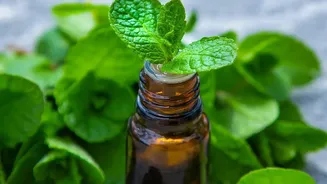
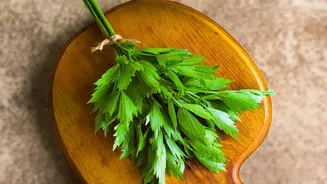
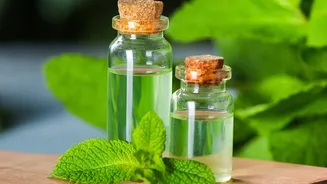
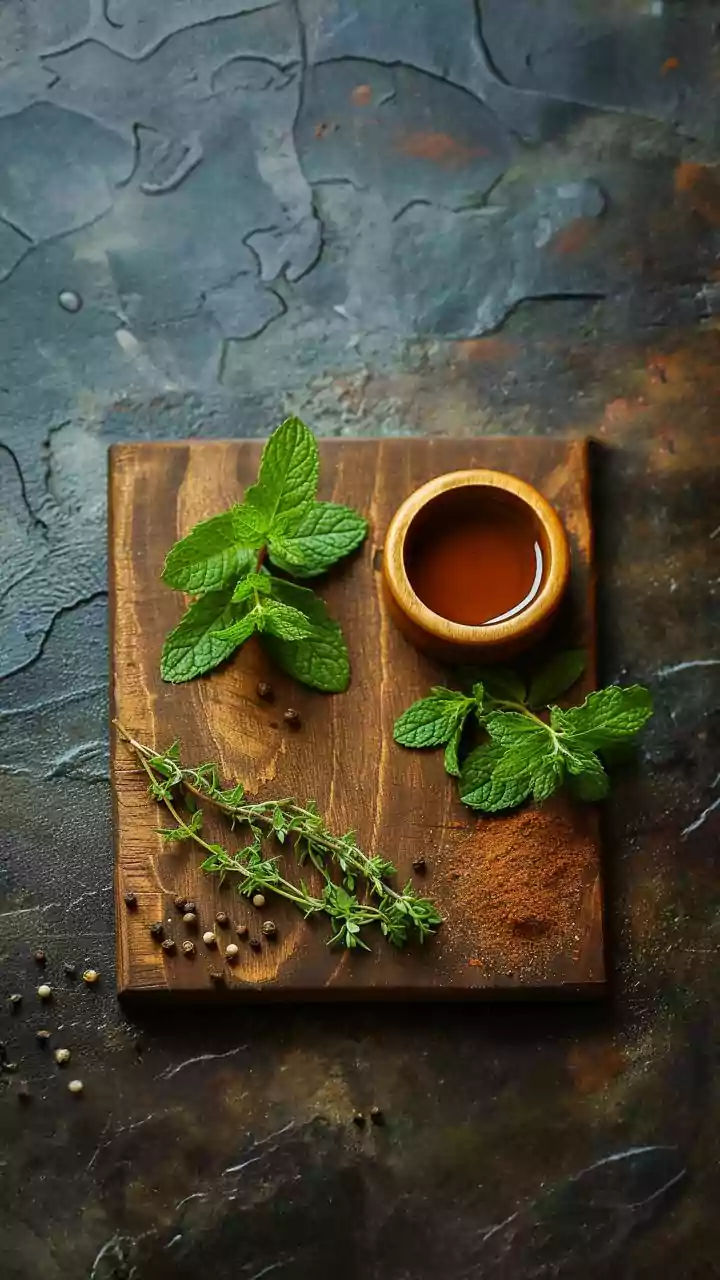
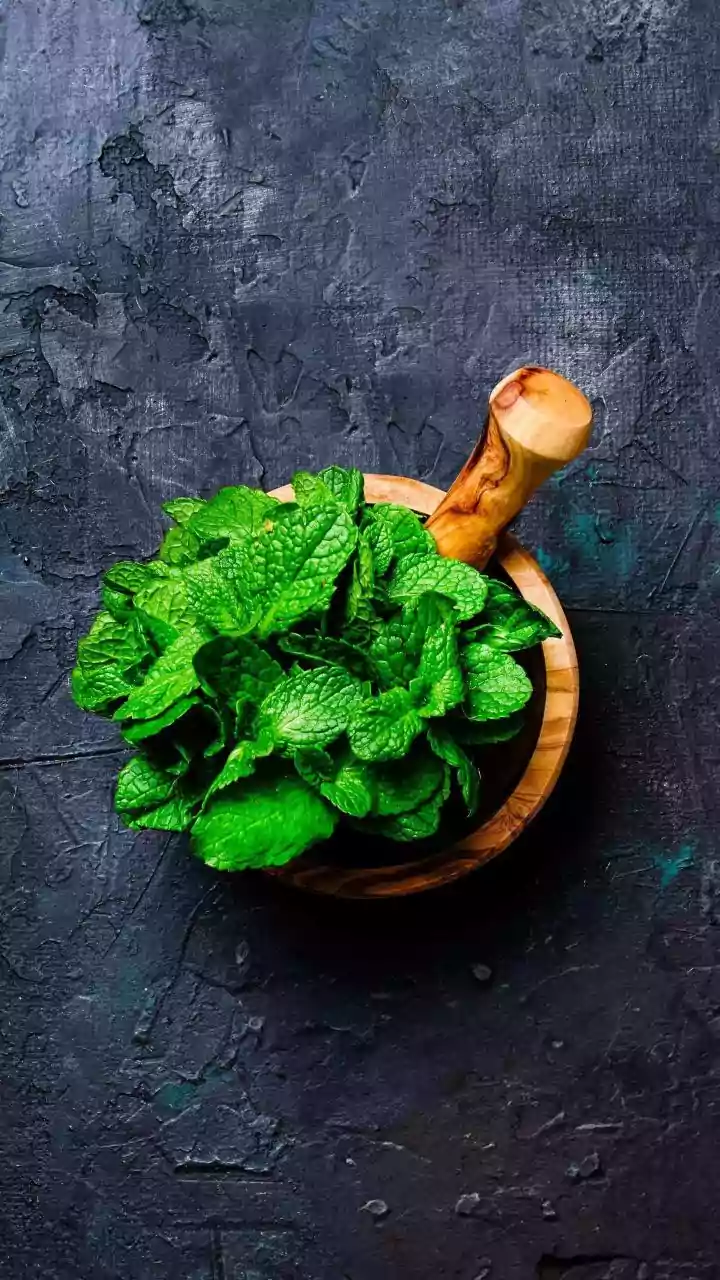
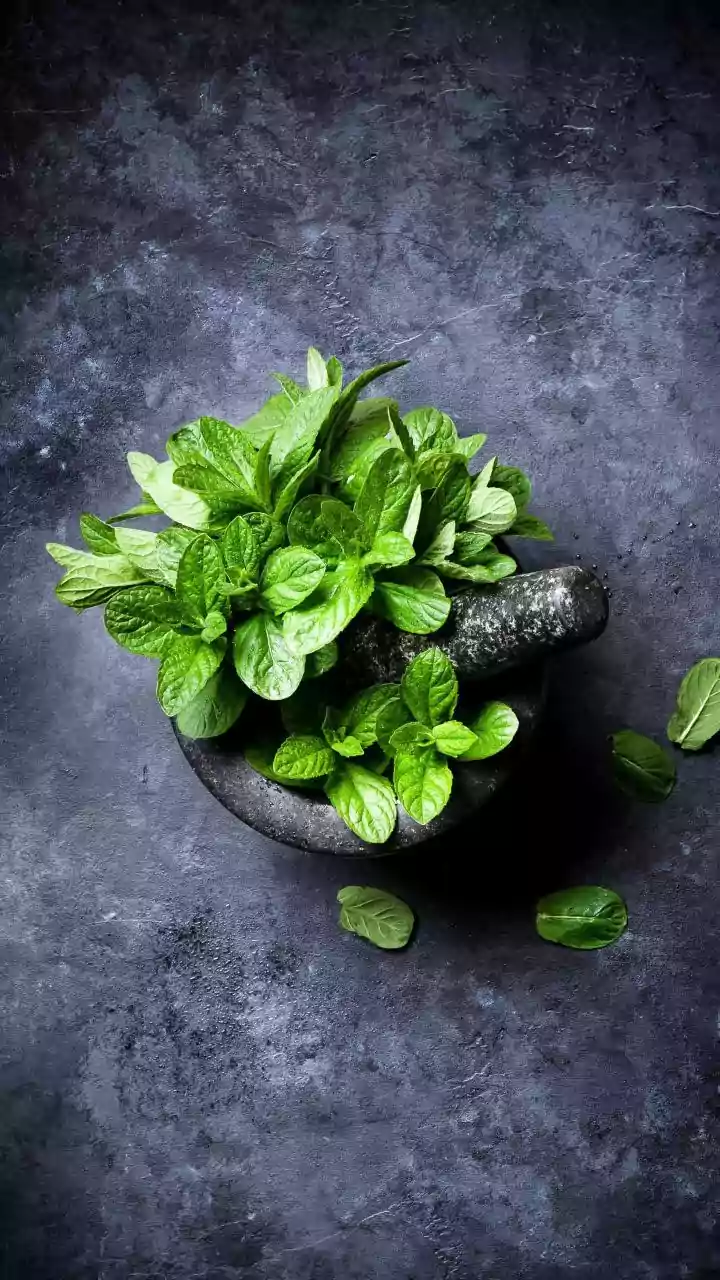
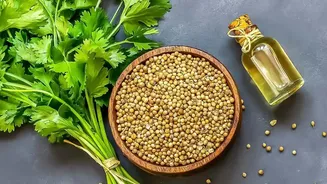
While the method is the same, coriander and mint stems offer distinct flavours. Coriander stems provide a pungent, peppery, and intensely herbaceous note that is more potent than the leaves. An oil infused with coriander stems is perfect for drizzling over dal, adding to marinades for paneer or chicken, or using as a base for stir-fries. Mint stems yield a cool, refreshing oil. While some find mint stems can have a slightly bitter edge, this mellows during infusion, leaving a bright, clean flavour. Mint-infused oil is wonderful for dressing fruit salads, adding to raita, or drizzling over grilled kebabs for a burst of freshness.
Important: Safety and Storage
When infusing oil with fresh ingredients like herb stems, food safety is crucial. Because fresh herbs contain moisture, there is a risk of botulism, a serious type of food poisoning, if the oil is stored improperly. The bacteria that causes botulism thrives in low-oxygen, low-acid environments like oil. To stay safe, your homemade fresh-herb infused oil must be stored in the refrigerator and used within a week. Never store it at room temperature. For longer-term storage, you can freeze the oil in ice cube trays. An alternative for shelf-stable oil involves acidifying the herbs in a citric acid solution before adding them to the oil, a more advanced technique developed by food scientists. But for simple home use, refrigeration is the easiest and safest path.