

The October Advantage
October marks the sweet spot in Rajasthan's calendar, positioned perfectly between the departure of the monsoon and the arrival of peak winter crowds. The oppressive heat of summer is a distant memory, replaced by comfortable daytime temperatures averaging
between 20°C and 34°C. This pleasant climate allows for extended hours of sightseeing without the exhaustion that the summer heat brings. The landscape, still nourished by the recent rains, often retains a surprising greenness, providing a lush backdrop to the state's arid landscapes and ancient stone fortresses. Evenings are cool and ideal for strolls through vibrant bazaars or enjoying rooftop dinners. It's a time when you can truly immerse yourself in architectural discovery, from sunrise to sunset, in complete comfort.
Jaipur’s Amber Fort: A Royal Welcome
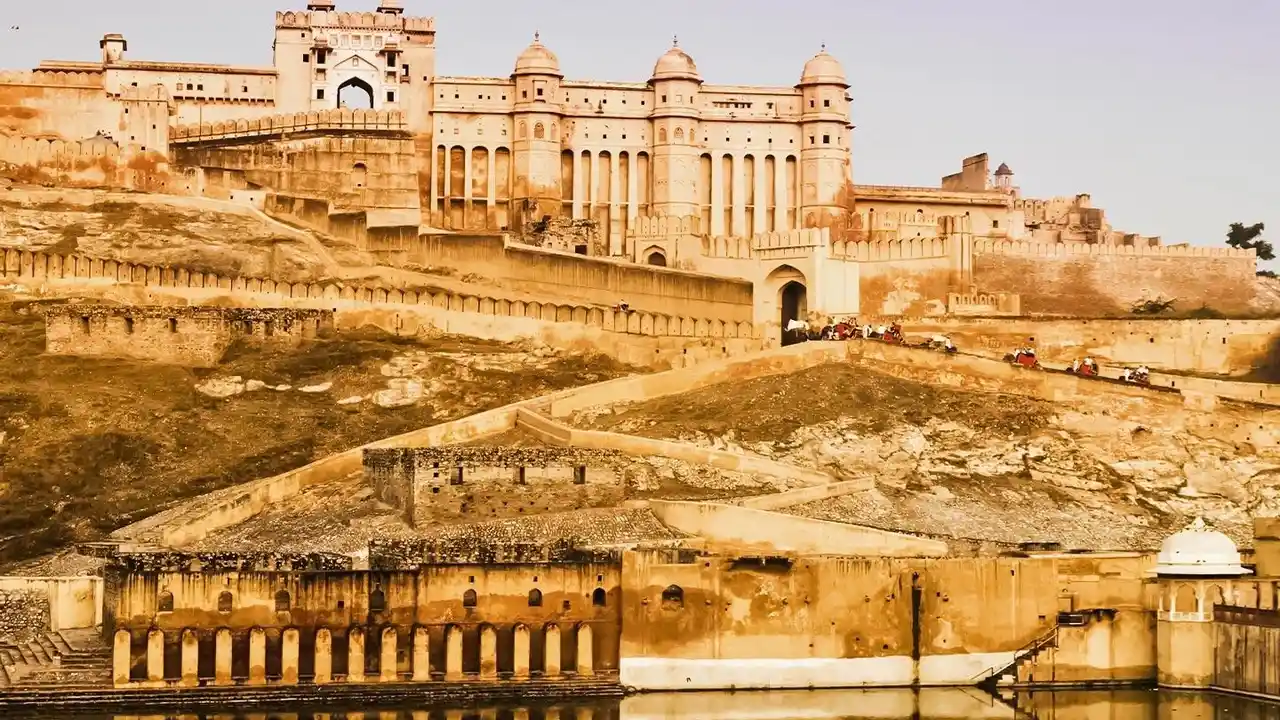
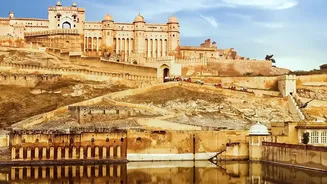
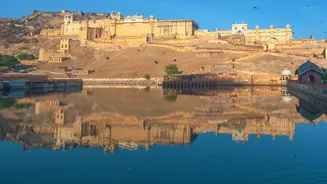
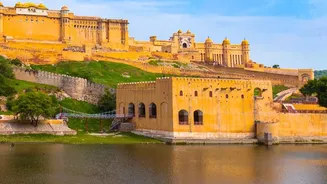
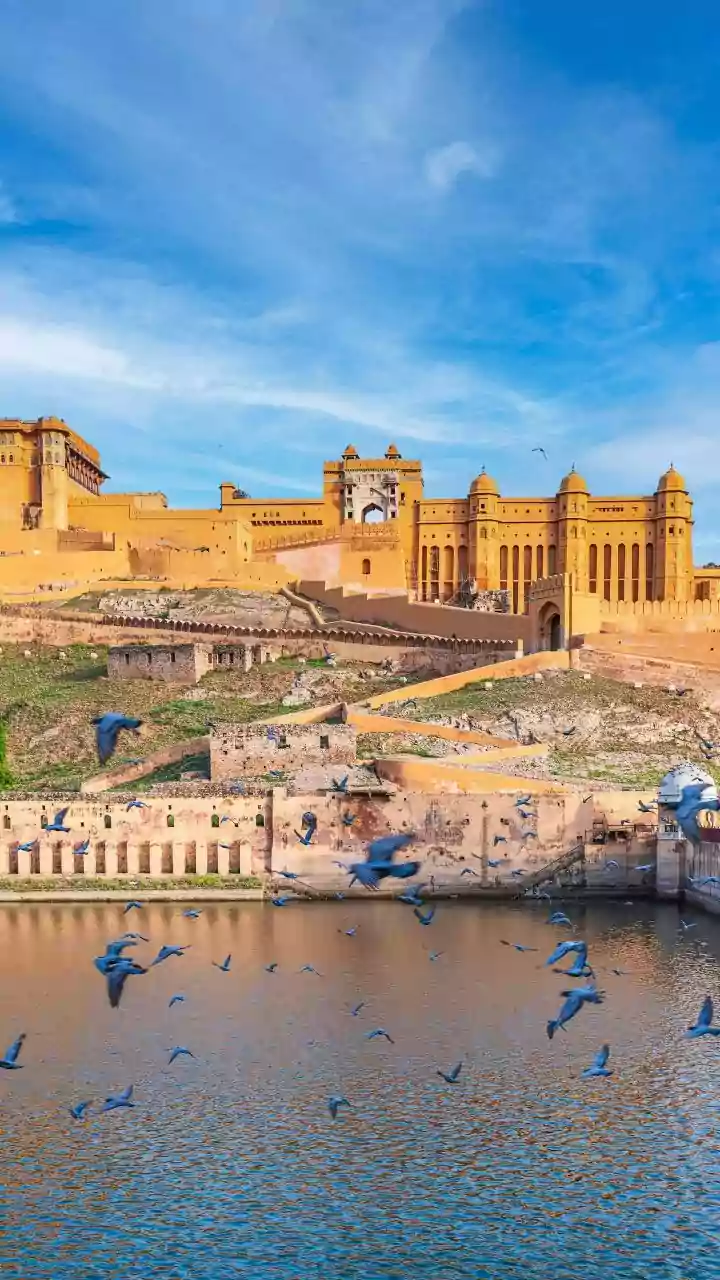
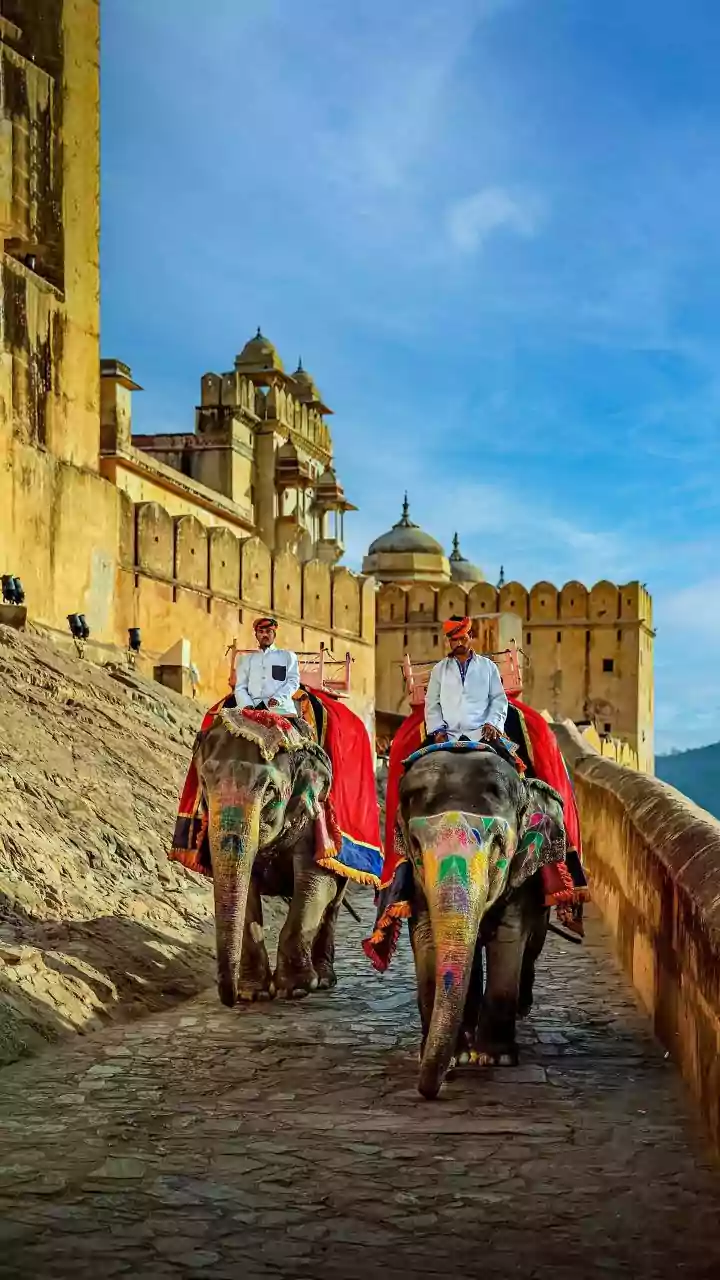
A journey into Rajasthan’s architectural heart often begins in Jaipur, the Pink City. Overlooking Maota Lake, the magnificent Amber Fort is a masterpiece of Rajput architecture. Built in the 16th century by Raja Man Singh, its sprawling complex of courtyards, palaces, and halls is constructed from pale yellow and pink sandstone and white marble. The pleasant October weather is perfect for the walk up the main path to explore its intricate details. Don’t miss the Sheesh Mahal, or 'Hall of Mirrors', where the walls and ceilings are adorned with countless tiny mirrors that glitter like diamonds in the light. This fort is not just a structure; it’s an introduction to the grandeur and artistic vision of the rulers who built it.
Jodhpur’s Mehrangarh: The Citadel in the Sky
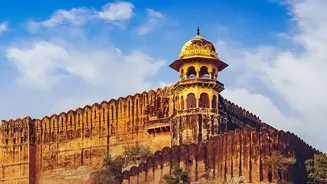
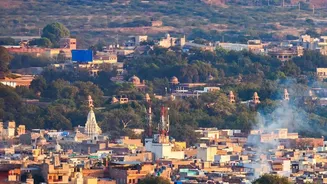
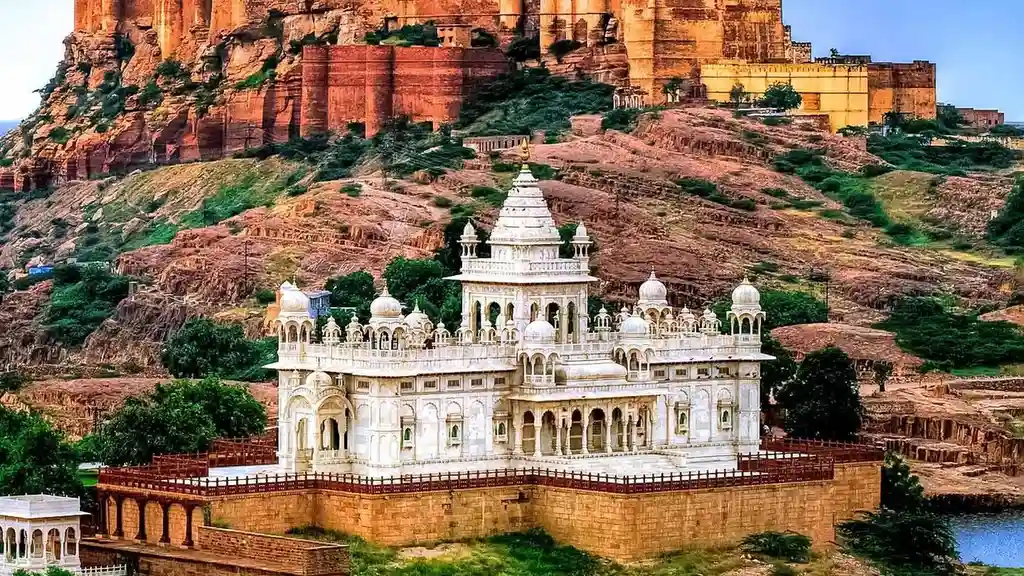
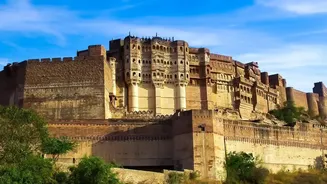
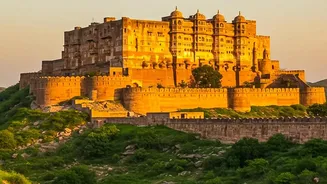
Perched on a 125-meter-high hill, Mehrangarh Fort in Jodhpur is one of the largest and most formidable forts in India. Its sheer, imposing walls seem to grow organically from the rock itself, creating an awe-inspiring sight. Inside, the story changes from brute strength to intricate beauty. The fort contains a series of palaces with exquisitely carved panels and latticed windows. Walking through the complex feels like stepping back in time. From its ramparts, you are treated to a stunning panoramic view of Jodhpur's 'Blue City', with its sea of blue-painted houses stretching to the horizon. October's clear skies ensure these views are at their most breathtaking.
Jaisalmer’s Sonar Quila: The Living Fortress
Unlike many other forts that are now purely historical monuments, Jaisalmer Fort—known as Sonar Quila or the Golden Fort—is a living, breathing community. Roughly a quarter of the old city's population still resides within its ancient walls. Built in 1156, its yellow sandstone walls blend seamlessly with the surrounding Thar Desert, appearing like a golden mirage. Exploring its narrow, winding lanes in October’s mild weather is a unique experience. You'll find yourself navigating a maze of homes, shops, guesthouses, and temples, all functioning within this medieval fortification. It is a UNESCO World Heritage site and offers a rare glimpse into a history that is still very much alive.
Kumbhalgarh: The Great Wall of India
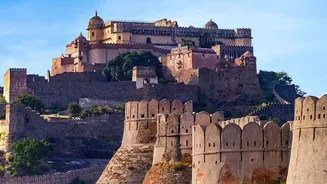
For those willing to venture beyond the main tourist circuit, Kumbhalgarh Fort offers a truly epic experience. Located in the Aravalli Hills, this fortress is most famous for its incredible perimeter wall, which stretches for a staggering 36 kilometers and is often referred to as the 'Great Wall of India'. As a UNESCO World Heritage site, it’s a testament to the defensive ingenuity of the Mewar rulers. The fort encloses over 360 temples within its walls. The pleasant October climate makes it possible to explore sections of the massive wall and enjoy dramatic views of the surrounding, often green, landscape without the intensity of the summer sun.
A Season of Celebration
Travel in October also offers the chance to witness vibrant cultural celebrations. The Marwar Festival in Jodhpur celebrates the region's heroes through folk music and dance, often with Mehrangarh Fort as a stunning backdrop. The Rajasthan International Folk Festival (RIFF), another Jodhpur event, is a UNESCO-recognized platform that brings together musicians from across the globe, filling the fort with sound from dawn until dusk. These festivals add another layer to the architectural exploration, filling the ancient spaces with life, music, and colour.