






More Than Just a Meal
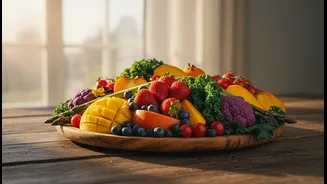
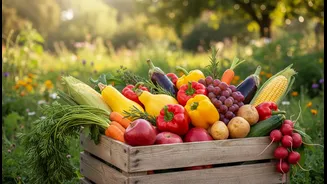
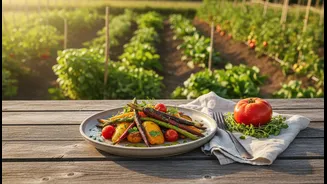
The concept of seasonal eating is as old as agriculture itself, yet in our globalised world, it feels like a revelation. When we travel, we often seek authenticity, and nothing is more authentic than eating what the land offers at a specific time of year.
This goes beyond a simple menu change; it’s about understanding the lifeblood of a region. The arrival of a certain fruit can signal festivals, the availability of specific greens can define home cooking for a month, and the harvest of a staple crop can dictate the entire economic and social rhythm of a community. Following the produce calendar doesn't just lead to a better meal; it offers a deeper connection to the place you're visiting, turning a holiday into a truly sensory experience.
Summer: The Reign of the Mango
Summer in India is synonymous with one thing: mangoes. While the heat can be intense, it brings with it the king of fruits, and nowhere is this more celebrated than along the Konkan Coast. From April to June, regions like Ratnagiri in Maharashtra become a paradise for fruit lovers. This isn't just about buying mangoes from a stall; it's an entire cultural event. Mango tourism, or 'agritourism', is a booming industry here, with farms and orchards opening their gates to visitors. You can walk through groves heavy with the scent of ripe Alphonso mangoes, learn about cultivation, and taste the fruit fresh from the tree. The local cuisine adapts, with fresh aamras (mango pulp) becoming a staple accompaniment to meals, offering a taste of sunshine that is impossible to replicate.
Monsoon: The Embrace of Green
As the rains sweep across the subcontinent, the landscape and the palate transform. In Kerala, the monsoon, or Karkidakam, is a time for restoration and nourishment. The heavy rains cause a variety of wild greens and medicinal herbs to sprout, which quickly find their way into local kitchens. A prized dish is the 'pathila thoran', a stir-fry made from ten specific local leaves. It’s a dish born entirely of the season. Comforting rice porridges, known as 'kanji', are prepared with Ayurvedic herbs to boost immunity during the damp, challenging month. Snacks also take on a rainy-day character, with fried treats like pazhampori (banana fritters) and vada served with hot chai, providing warmth and comfort against the downpour.
Autumn: The Crisp Apple Harvest
When the monsoon recedes, a crispness enters the air in the Himalayan foothills. In states like Himachal Pradesh, autumn is apple season. From July to September, the orchards around Shimla, Kotgarh, and Manali are laden with ruby-red apples. Strolling through these orchards, with the backdrop of snow-capped peaks, is an experience in itself. This harvest is the backbone of the region's economy, and its impact is visible everywhere. Visitors can participate in apple-picking, interact with farmers to learn about the different varieties, and taste juices, jams, and pickles made from the fresh harvest. A trip here during this time is a lesson in how a single fruit can define the landscape, economy, and identity of a place.
Winter: The Comfort of the Earth
Winter in North India, particularly in Punjab, brings a craving for hearty, warming foods. This is the season of 'sarson ka saag', a slow-cooked dish made from mustard greens that are at their peak flavour in the colder months. Traditionally, the pungent mustard leaves are blended with milder greens like spinach or bathua, then simmered for hours until creamy and deeply flavourful. This dish is more than food; it's a symbol of Punjab's agrarian heritage and the celebration of the winter harvest. Served with makki di roti (a flatbread made from cornmeal) and a generous dollop of white butter, it is the definitive taste of a Punjabi winter—a rustic, nourishing meal that connects you directly to the agricultural heartland of India.