

Establish Clear Pathways
The single most important rule for any small space is to ensure clear traffic flow. The path from your bedroom door to the other side of the room, the closet, or the bed should be unobstructed. As a general rule, designers recommend a minimum clearance
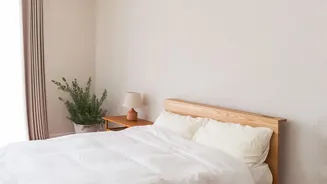
of 30 to 36 inches for main walkways. This ensures you can move freely without turning sideways or bumping into corners. Before placing any furniture, map out this primary path. This imaginary line is your 'no-go' zone for bulky items. Keeping the immediate area inside the doorway completely clear will instantly make the room feel more spacious and easier to navigate.
Embrace Low-Profile and Leggy Furniture
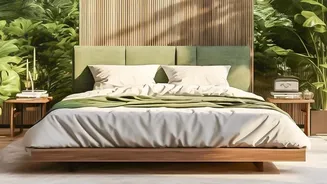
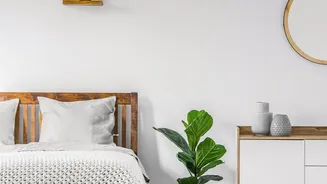
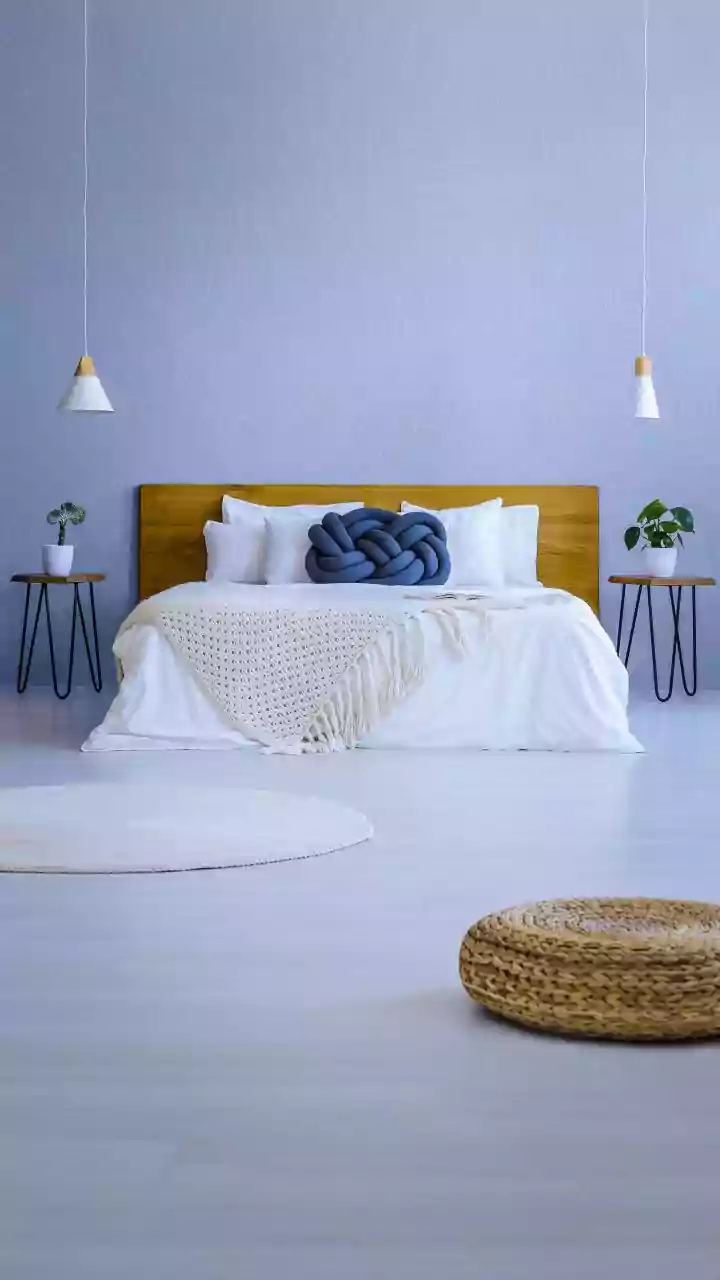
Furniture that is physically and visually lightweight is a small bedroom's best friend. Instead of a solid, blocky dresser near the door, opt for a 'leggy' piece with exposed legs. This allows you to see the floor underneath, which creates an illusion of more space. Low-profile items, such as a short bookcase or a small bench, are also great choices as they don't loom over you as you enter the room. When selecting chairs or nightstands, look for slim, armless designs or pedestal tables that have a minimal footprint. The goal is to furnish the area without filling it.
Go Vertical with Wall-Mounted Solutions
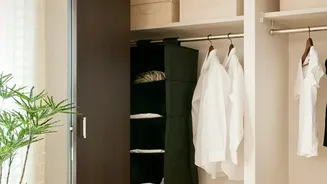
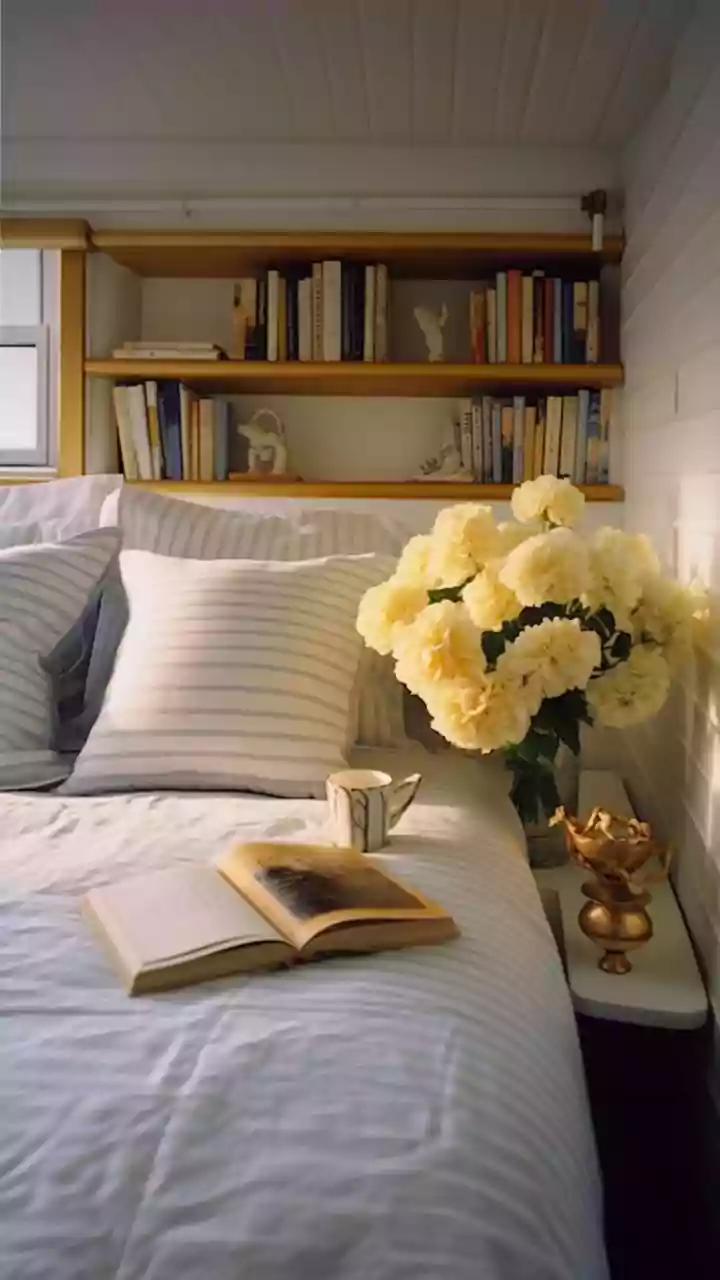
When floor space is at a premium, the only way to go is up. Using your walls effectively is key to freeing up the area around the doorway. Consider installing floating shelves for books and decor instead of using a traditional bookcase. A wall-mounted nightstand or a small floating desk can provide necessary surfaces without consuming any floor space. Even lighting can be moved to the walls with sconces, eliminating the need for a floor or table lamp that might obstruct the entry. Over-the-door organisers are another classic solution for stashing shoes, accessories, or toiletries without cluttering your main living area.
Choose Smart, Multi-Functional Pieces
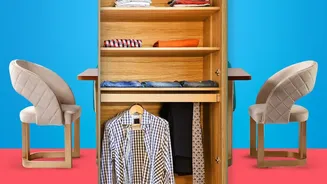
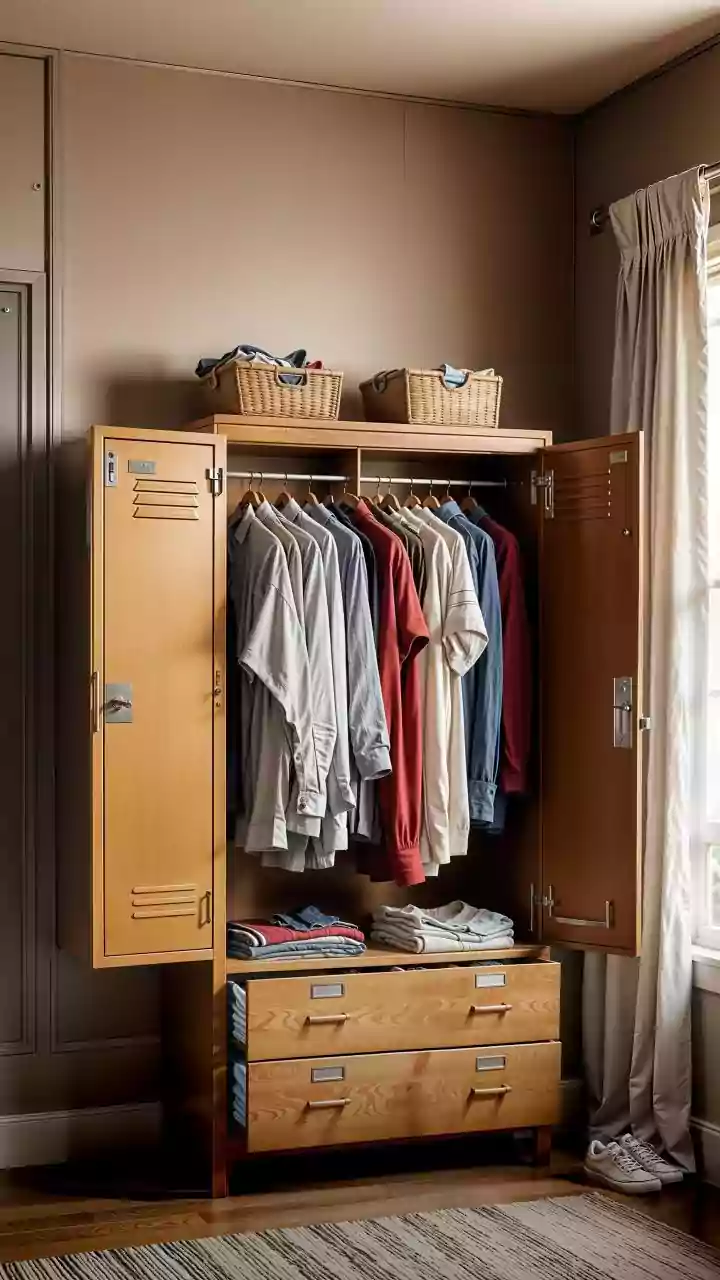
In a compact room, every piece of furniture should work hard. Multi-functional furniture is a game-changer, especially near a high-traffic area like a doorway. A storage ottoman can serve as a spot to put on shoes while also hiding away extra blankets or bags. A narrow console table can act as a drop zone for keys and mail, and some models even come with stools that tuck neatly underneath. A small drop-leaf table mounted to the wall can function as a temporary workspace or vanity and then fold away to clear the path. This flexibility allows you to have the function you need without a permanent obstacle.
Use Mirrors and Light to Create Depth
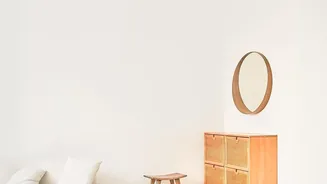
Mirrors are a classic tool for making small rooms feel larger. Placing a large mirror on the wall adjacent to the doorway can create a powerful illusion of depth, visually widening the entryway. The mirror will reflect light and the open space of the hallway, tricking the eye into perceiving a more expansive room. Ensure the area is well-lit, as bright light also contributes to a sense of openness. Avoid placing a tall, dark piece of furniture directly opposite the door, as this can make the room feel closed off upon entry. Instead, let the first view be of a well-lit wall or a strategically placed mirror.