





Secure Your Space and Belongings
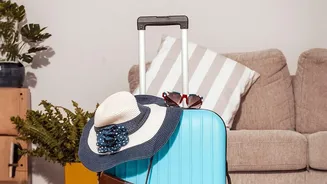
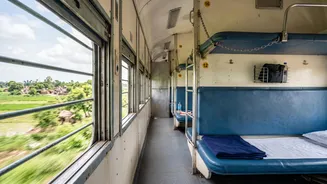
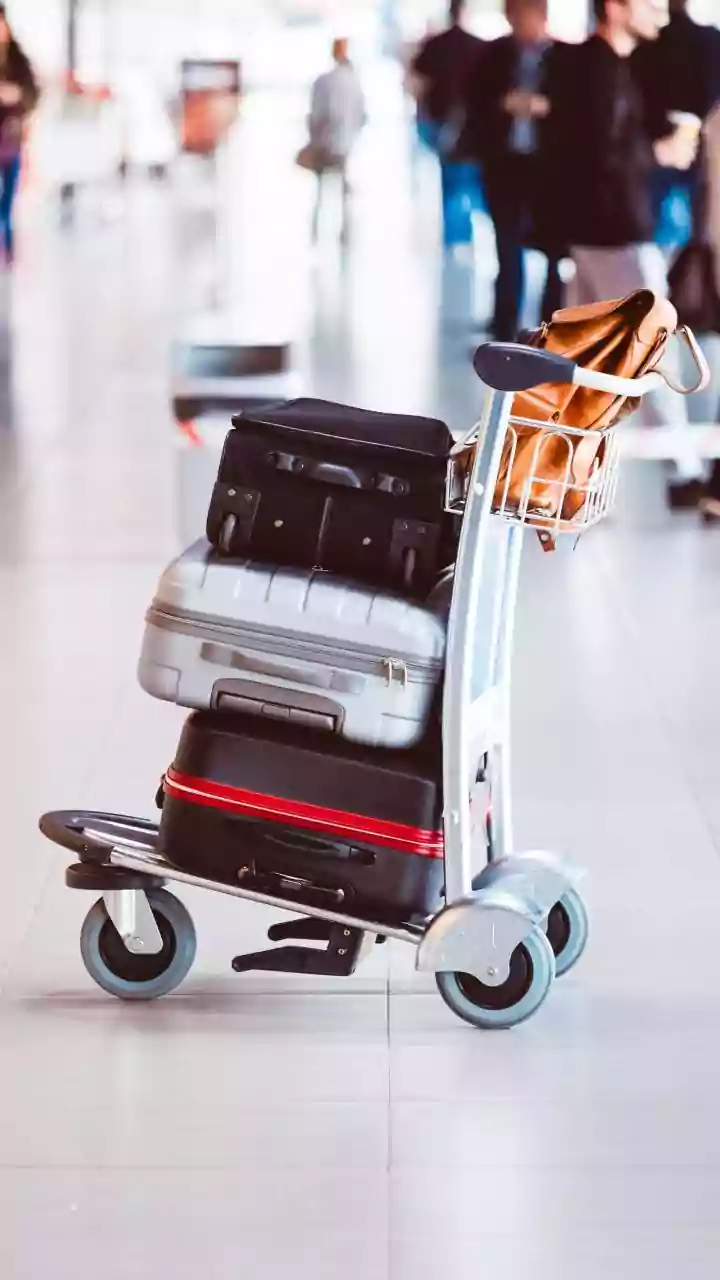
Your first priority on settling in should be securing your luggage. An inexpensive but invaluable tool is a sturdy lock and chain. Most berths have a metal loop underneath the seat specifically for this purpose; use it to chain your main suitcase or backpack.
This simple step prevents opportunistic theft, especially during night-time station stops when you are asleep. For your valuables like your wallet, phone, and tickets, a separate strategy is needed. Keep them in a small sling bag or waist pouch that stays on your person at all times, even when you sleep. Many seasoned travellers recommend choosing the top bunk if possible. It offers more privacy and keeps you and your small bag out of the easy reach of anyone walking down the aisle, adding an extra layer of security.
Create Your Personal Comfort Cocoon
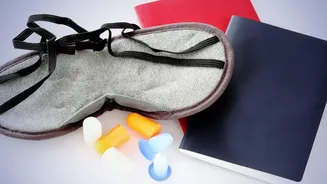
Sleeper class does not include bedding, so you must bring your own. A lightweight blanket, shawl, or a travel sheet is essential for staying warm, as nights can get surprisingly chilly, even in summer. Just as important is a good travel pillow. The small pillows sometimes provided are rarely clean or comfortable. An inflatable or memory foam neck pillow provides proper support and ensures you don't wake up with a stiff neck. To truly create a zone of peace, pack an eye mask and a pair of earplugs. These will block out the carriage lights that often stay on and the inevitable noise from fellow passengers, snoring, and station announcements, dramatically increasing your chances of getting quality sleep.
Pack a Smart Hygiene Kit
Train bathrooms are notoriously unpredictable. A well-stocked hygiene kit is non-negotiable for comfort and health. Your kit should contain a small bottle of hand sanitiser, a pack of wet wipes, and your own toilet paper roll. Wet wipes are multi-functional heroes, perfect for wiping down your berth area, cleaning your hands before eating, or freshening up in the morning. A small travel-sized soap or paper soap sheets are also a great idea. Don't forget a basic first-aid kit with essentials like pain relievers, stomach soothers, and band-aids for any minor issues that may arise during a long journey.
Master the Art of Train Snacking
While the call of "chai, coffee!" is a welcome sound, relying solely on platform vendors for meals can be risky. For long journeys, it is wise to pack your own food for at least the first meal. Homemade items like parathas, puri with dry sabzi, or idlis are excellent choices as they travel well. Also pack a supply of dry snacks such as biscuits, nuts, and fruits to manage hunger between stations. Most importantly, carry a reusable water bottle. You can buy large sealed bottles of water like Rail Neer at stations and use them to refill your personal bottle, ensuring you stay hydrated without generating excess plastic waste.
Stay Charged and Entertained
While some coaches have charging points, they are often few, faulty, or highly contested. A fully charged power bank is an absolute necessity to keep your phone and other devices running throughout the journey. Don't rely on railway Wi-Fi for entertainment; it is rarely strong enough for streaming. Before you leave home, download a few movies, a new podcast series, or an audiobook to your device. This ensures you have a way to pass the time during long stretches of the journey, especially if you find it difficult to sleep.
Dress for Comfort, Not Arrival
Your choice of clothing can make a huge difference in your comfort levels. Opt for loose-fitting, breathable clothes made from fabrics like cotton. Layers are your best friend. A t-shirt and comfortable track pants can be supplemented with a light jacket or shawl when the temperature drops at night. When it comes to footwear, choose something that is easy to slip on and off, like slippers or sandals. You will appreciate this during middle-of-the-night trips to the washroom, as fumbling with laces in the dark is no one's idea of fun.