

Ilulissat: The Iceberg Capital
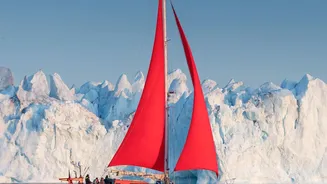
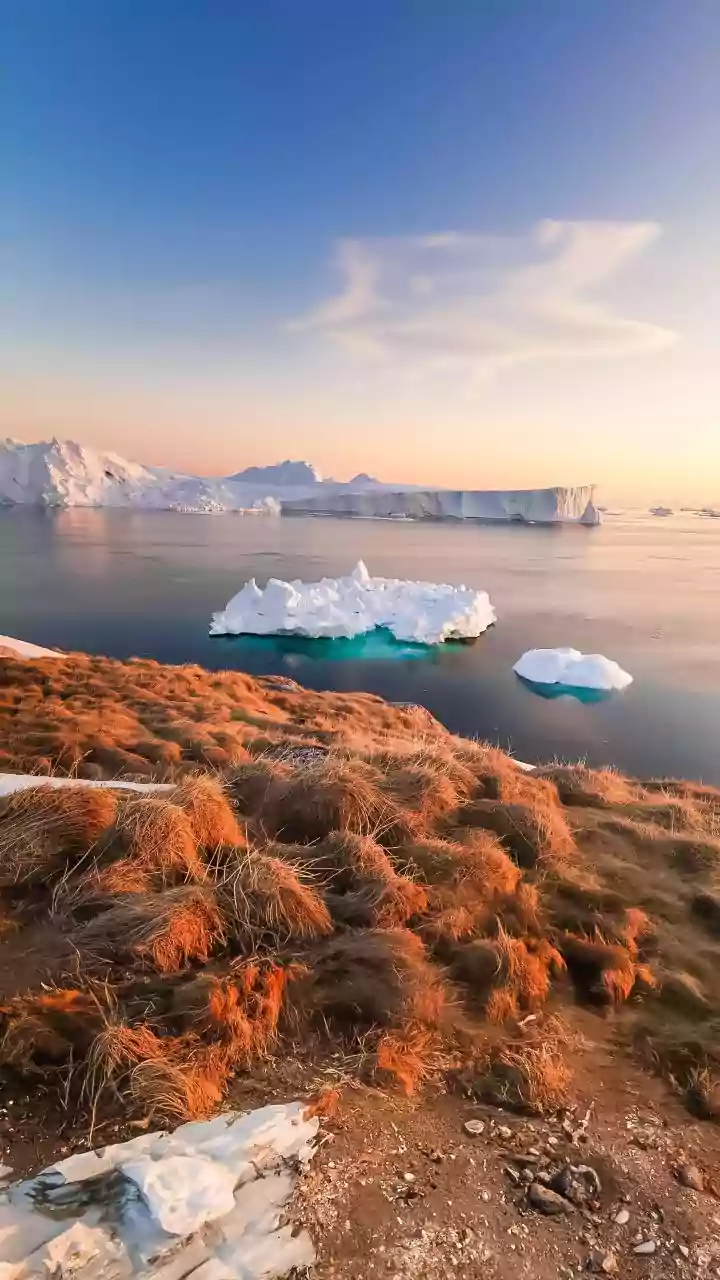
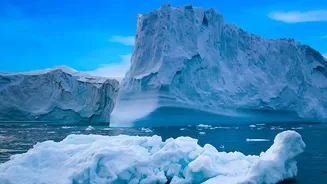
No trip to Greenland is complete without visiting Ilulissat, a name that fittingly means 'icebergs' in Greenlandic. Situated on the edge of Disko Bay, this town is the gateway to the UNESCO World Heritage-listed Ilulissat Icefjord. This is where the colossal
Sermeq Kujalleq glacier calves, sending giant mountains of ice out to sea. Visitors can witness this spectacle on a boat tour, weaving between towering ice sculptures that dwarf the vessels. The experience is multisensory: the deep blue of the water, the brilliant white of the ice, and the constant sound of cracking and groaning as the bergs shift. Hiking along the marked trails provides breathtaking views from land, especially the accessible boardwalk to the former Inuit settlement of Sermermiut. In summer, the midnight sun bathes the ice in an ethereal, non-stop golden light, while winter brings the mesmerising dance of the Northern Lights.
Nuuk: A Modern Arctic Metropolis
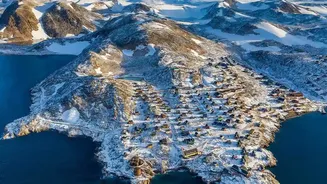
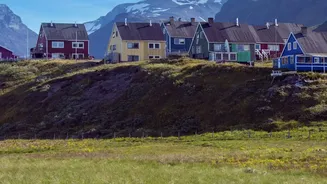
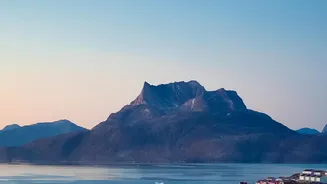
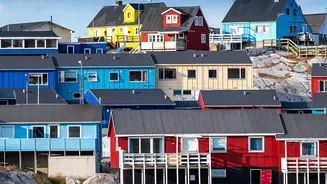
As Greenland's capital and largest city, Nuuk offers a fascinating blend of ancient traditions and modern life. With a population of around 20,000, it feels both like a small town and a bustling cultural hub. The city's old colonial harbour, with its colourful historic buildings, sits in contrast to modern architecture like the Katuaq Culture Centre. Visitors can explore the Greenland National Museum to understand the island's 4,500-year history, from the earliest Paleo-Eskimo cultures to the present day. Nuuk is also a foodie destination, with restaurants serving 'fusion' cuisine that creatively combines local ingredients like reindeer, muskox, and fresh seafood with global culinary techniques. Despite its urban feel, wilderness is never far away; the vast Nuuk Fjord system, the second-largest in the world, is right on the city's doorstep, offering opportunities for whale watching and exploring abandoned settlements.
Qaqortoq: Southern Charm and Art
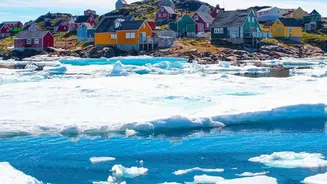
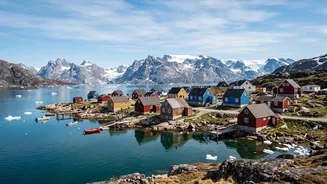
In lush South Greenland, Qaqortoq stands out as the region's largest town and a centre for culture and education. Its name means 'The White Place', yet it's known for its brightly coloured houses climbing the hillsides around the harbour. A unique feature of the town is the 'Stone and Man' project, an open-air art gallery with over 40 sculptures carved into the town's granite bedrock by local and Scandinavian artists. History is palpable here, with the nearby Hvalsey Church ruins offering a tangible link to the Norse settlers who lived in Greenland a thousand years ago. For a truly unique experience, visitors can take a boat trip to the Uunartoq hot springs, where you can soak in naturally heated pools while icebergs float by in the adjacent fjord.
Tasiilaq: Gateway to East Greenland
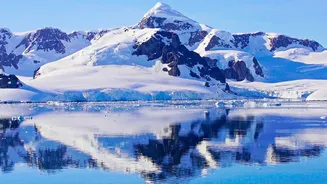
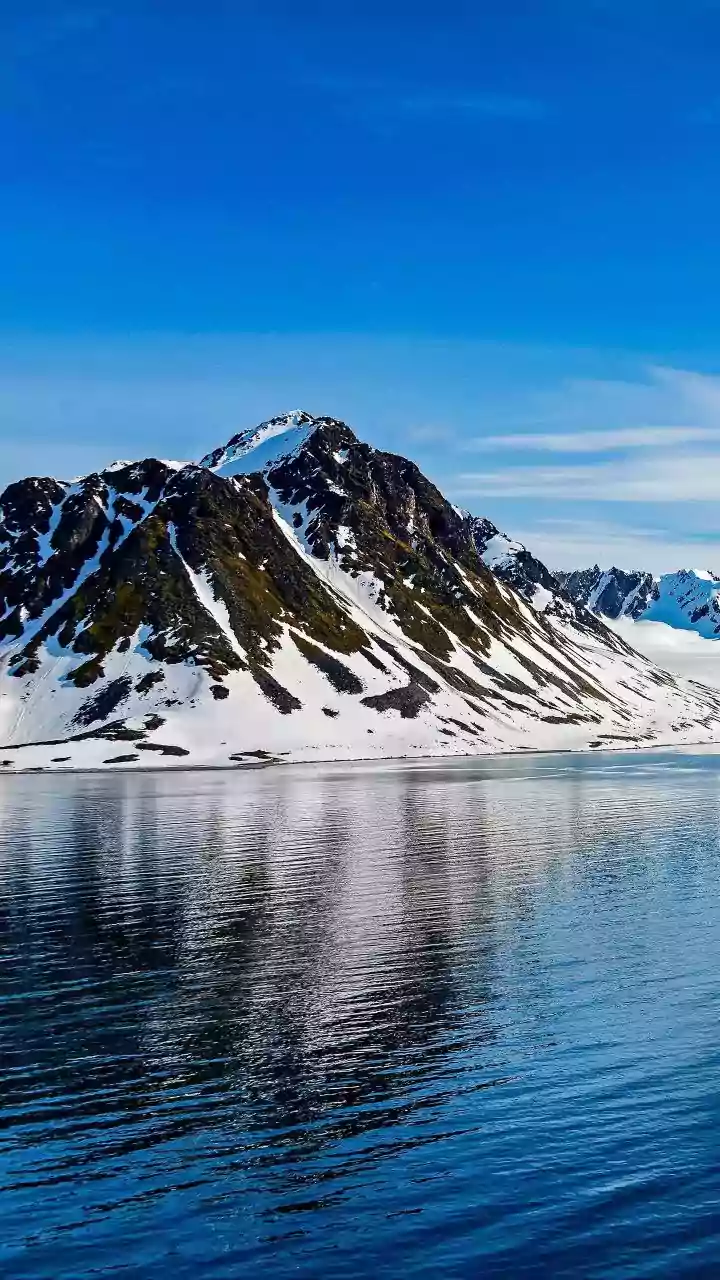
For those seeking raw, untamed wilderness, Tasiilaq is the main town in the remote and dramatic landscape of East Greenland. Surrounded by pointed, jagged mountains and deep fjords, this area is geologically younger and feels wilder than the west coast. Reaching Tasiilaq is an adventure in itself, typically involving a flight to the nearby island of Kulusuk followed by a helicopter or boat transfer. The town is a base for incredible outdoor activities, from dog sledding and snowmobiling in winter to hiking and kayaking in summer. The local culture is deeply rooted in traditional Inuit hunting and fishing practices. Visitors can learn about ancient traditions like drum dancing and see the intricate craftsmanship of local artisans, offering a glimpse into a resilient way of life shaped by one of the world's harshest environments.
Immersing in Local Culture
Beyond the stunning landscapes, the heart of Greenland lies in its Inuit culture. A cherished tradition is the 'kaffemik,' an open-house gathering for celebrations where hosts welcome guests with coffee, cakes, and a spread of local foods. The cuisine is a direct reflection of the land and sea. The national dish, 'suaasat,' is a hearty soup traditionally made with seal, whale, or reindeer. Another local delicacy is 'mattak,' the raw hide and blubber of a whale, which is a rich source of Vitamin C. Hunting and fishing remain central to life, providing not just sustenance but a deep connection to the environment that has allowed the Inuit to thrive in the Arctic for millennia.