





From E-Commerce to Q-Commerce
First, let's define our terms. If e-commerce changed where we shop, quick commerce (or q-commerce) is changing when. It refers to the ultra-fast delivery of goods, typically within 10 to 30 minutes of placing an order online. Unlike traditional e-commerce that
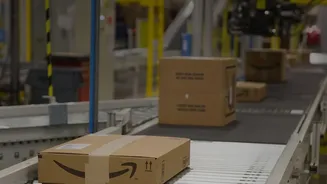
ships from large warehouses over days, q-commerce relies on a hyperlocal model. The focus is on a smaller inventory of high-demand items, from groceries and snacks to basic electronics and personal care products, catering to immediate, often impulse-driven needs. India has become a global leader in this format, with q-commerce growing massively to become a significant slice of the entire online retail market.
The Engine Room: What is a 'Dark Store'?
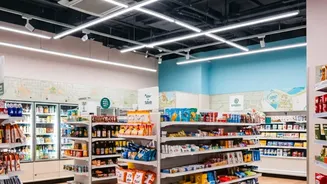
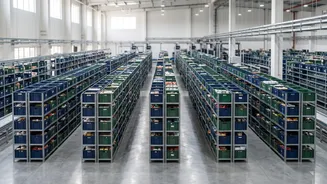
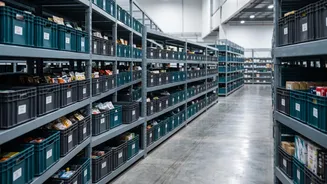
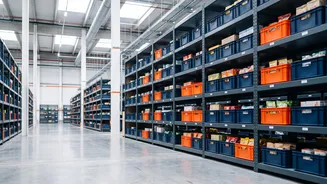
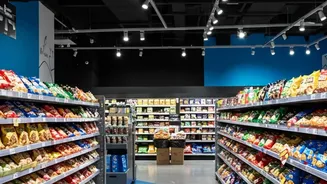
The magic behind 10-minute delivery isn't magic at all; it's a 'dark store'. These are not retail locations for customers to visit. Instead, think of them as mini-fulfilment centres, typically 3,000 to 8,000 square feet, strategically placed deep inside dense residential neighbourhoods. These spaces are optimised for one purpose: speed. Workers, known as pickers, quickly assemble orders from neatly arranged shelves, handing them off to a waiting fleet of delivery riders. Their location, tucked away on side streets or in former godowns, is more important than their street-front appeal, making them a new force in the city's real estate market. Bengaluru now has the highest concentration of dark stores of any Indian city.
Why Bengaluru is the Perfect Hub
Bengaluru's emergence as India's q-commerce capital is no accident. It’s a perfect storm of several factors. First, the city's infamous traffic makes a 10-minute delivery far more appealing than a 30-minute drive to the supermarket. Second, it has an unparalleled concentration of its target demographic: a massive population of young, tech-savvy professionals in dual-income households who are time-poor and have disposable income. This demographic was already accustomed to on-demand services like food delivery. Third, as India's 'Silicon Valley', the city is home to the tech talent, startup culture, and venture capital needed to build and scale these logistics-heavy operations. Finally, its high density of apartment complexes makes last-mile delivery incredibly efficient.
A Fiercely Competitive Battleground
The opportunity in Bengaluru has led to intense competition. While Blinkit holds the largest national market share, the race in Bengaluru is much tighter. According to a July 2026 dataset, the city hosts over 629 dark stores, with Blinkit (165 stores) and Zepto (159 stores) in a close race, followed by Swiggy Instamart (116), BigBasket (95), and Flipkart Minutes (94). Unlike other cities where one or two players might dominate, consumers in most of Bengaluru's key neighbourhoods can choose between multiple platforms, leading to a constant battle over speed, product availability, and price. This fierce competition means platforms are constantly optimising their networks, with some even introducing specialised services for fashion or pet supplies.
The Reshaping of the Urban Landscape
The dark store boom is having a tangible impact on Bengaluru. It has created a new, lucrative category in commercial real estate, driving up demand for small, well-located warehouses and ground-floor spaces that were previously less desirable. This expansion is also creating a significant number of gig-economy jobs, from delivery riders to warehouse staff. However, the model is not without its challenges. The immense pressure for speed has raised concerns about worker stress and burnout. Furthermore, there is an ongoing debate about the impact of these services on traditional, neighbourhood kirana stores, though some analysis suggests q-commerce is also driving incremental consumption rather than just replacing existing retail.