

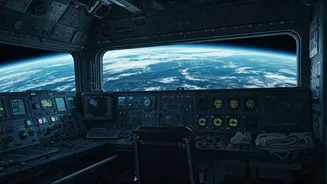


More Than a Speck of Light
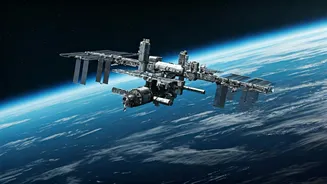
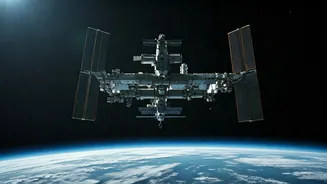
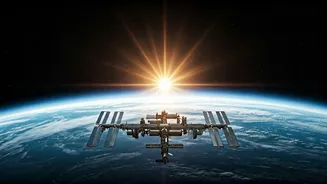
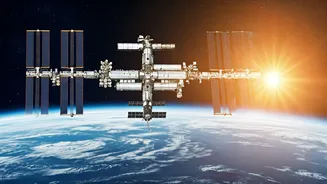
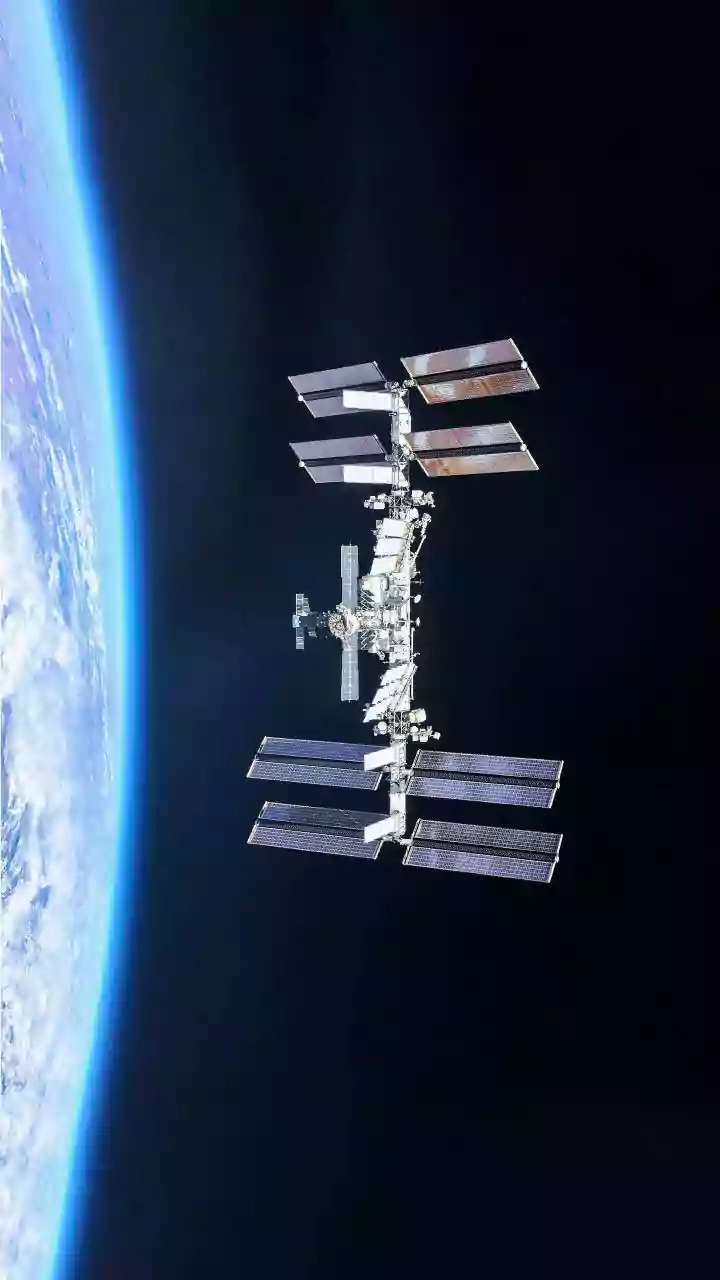
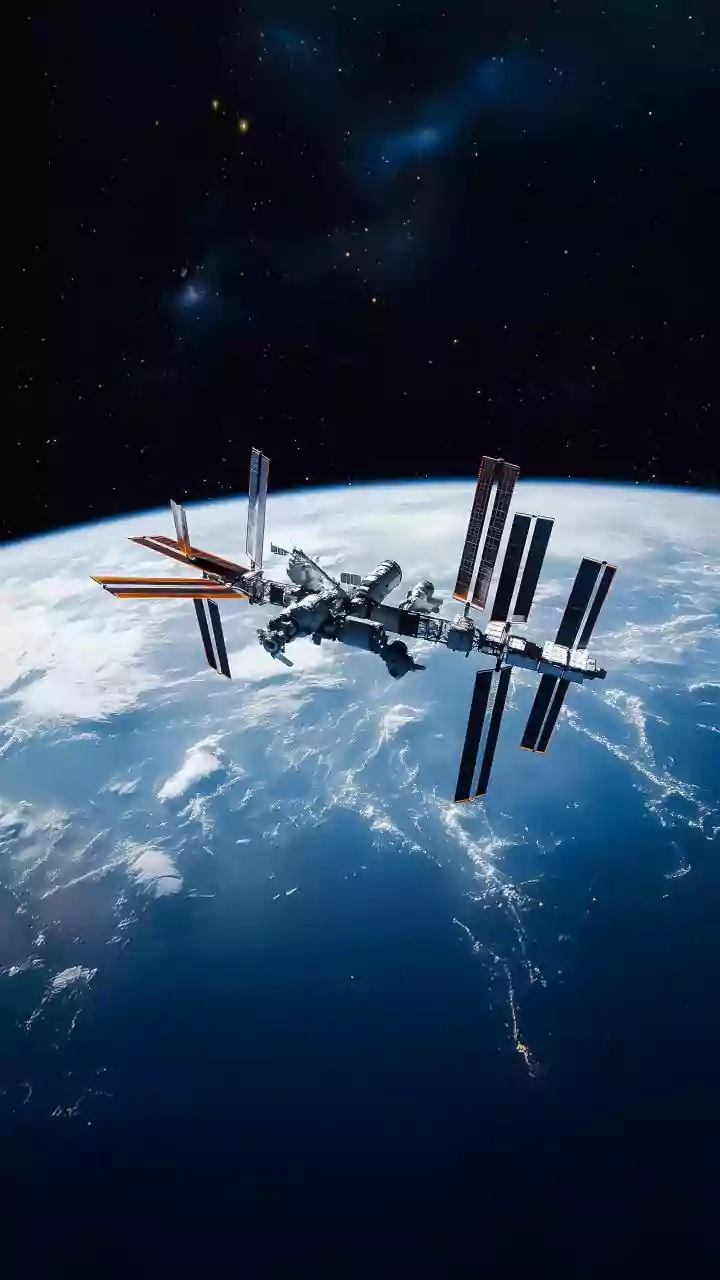
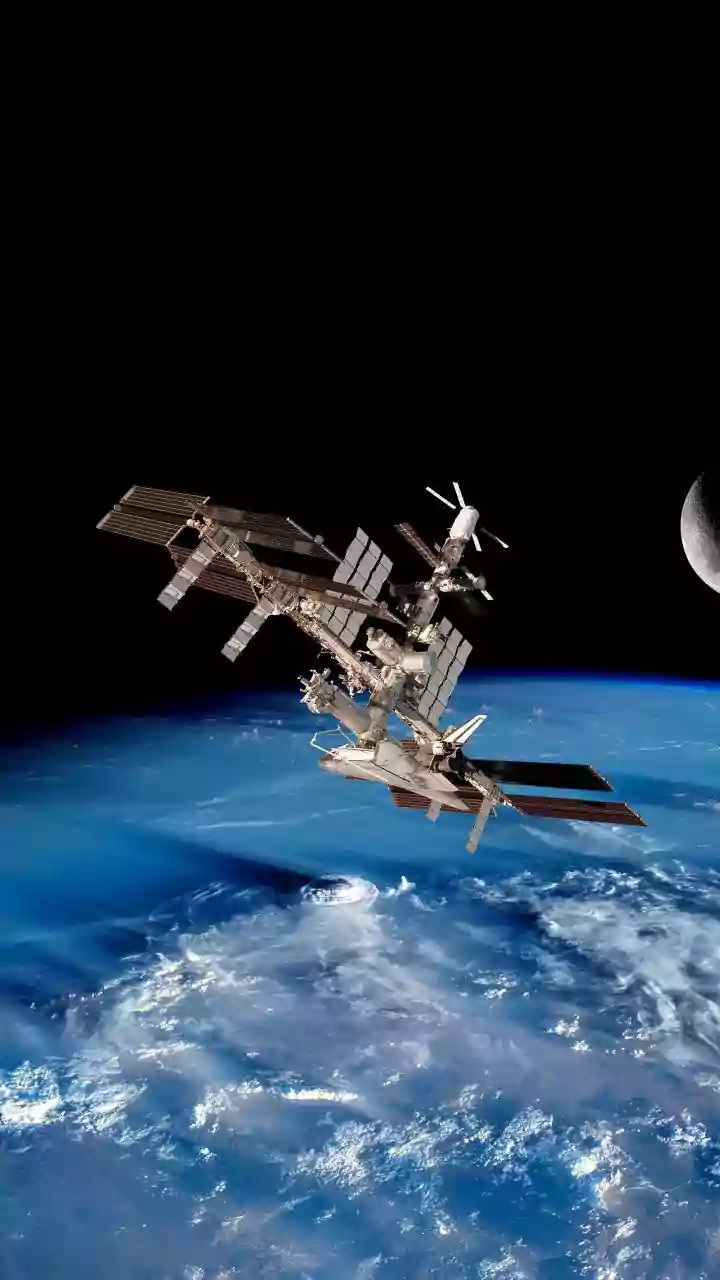
For decades, the International Space Station (ISS) was something to be passively observed—a fast-moving star you might catch on a clear night if you knew exactly where and when to look. But that relationship has fundamentally changed. Orbiting Earth 16
times a day at over 17,500 miles per hour, the ISS is no longer just a symbol of human achievement; it's a constant, active broadcaster of information. This firehose of data, once the exclusive domain of mission control centers, is now largely public. The supposed "secrets" that have young people hooked aren't conspiracies, but something far more exciting: unprecedented access. They are the live video feeds, the telemetry data, and the radio signals that turn a remote outpost into a personal, interactive experience.
The Open-Source Space Station
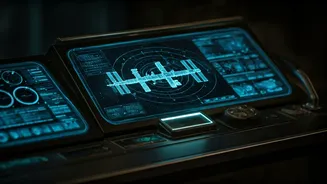
The secret is out: space is open-source. NASA and other international space agencies have made a treasure trove of ISS data available to the public. Official apps like NASA's 'Spot The Station' and independent trackers like ISS Detector not only predict visible passes but offer real-time 3D tracking, augmented reality views, and push notifications. Beyond simply knowing where the station is, users can tap into live, high-definition video streams of Earth from cameras mounted on the station's exterior. These feeds offer breathtaking, unfiltered views of our planet, from sprawling city lights to weather patterns and auroras. For the more technically inclined, NASA provides raw trajectory data and telemetry—the stream of data on the station's speed, altitude, and position—updated several times a week. This allows enthusiasts to plug official data directly into their own software projects, creating a direct link to the orbiting laboratory.
Decoding the Cosmos from Your Bedroom
The real magic for many young tech enthusiasts lies in actively participating, not just watching. A key part of this is the Amateur Radio on the International Space Station (ARISS) program. This remarkable initiative allows students around the world to use amateur (ham) radio to talk directly with astronauts as they orbit overhead. Preparing for a 10-minute contact window involves months of learning about radio technology, orbital mechanics, and proper communication protocols, turning a brief chat into a major STEM educational event. Beyond scheduled school contacts, the ISS also transmits other signals. Using affordable equipment like software-defined radios (SDRs), hobbyists can capture and decode slow-scan television (SSTV) images that the ISS occasionally broadcasts, essentially receiving digital postcards from space. These activities foster vibrant online communities on platforms like Reddit, where users share their captured images, track signals, and help newcomers get started.
The Thrill of the Digital Chase
So, why the obsession? The appeal lies in a perfect blend of gamification, community, and genuine scientific engagement. Tracking the ISS is like a real-world video game with a target that moves at incredible speeds. Capturing a clear signal or a crisp SSTV image provides a tangible reward and a sense of accomplishment. Furthermore, these activities are deeply communal. Young enthusiasts collaborate online, sharing tips, celebrating successes, and troubleshooting problems together. But most importantly, this trend transforms space exploration from a spectator sport into a participatory event. It provides a direct, personal connection to one of humanity's greatest scientific endeavors. The ability to use your own equipment to interact with a multi-billion dollar laboratory 400 kilometers above Earth is a powerful and inspiring experience that fuels a passion for science and technology.