






The Race for Convenience
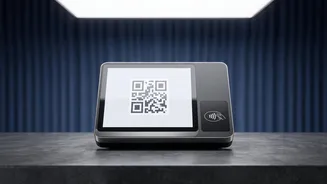
Unified Payments Interface (UPI) is the undisputed champion of everyday convenience. It allows for instant, real-time money transfers 24/7 directly from your bank account using just a mobile number, UPI ID, or by scanning a QR code. This simplicity has
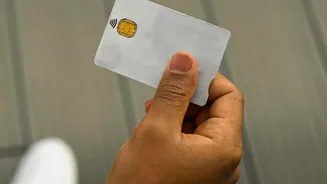
made it the go-to for everything from paying for street food to splitting bills with friends. Credit cards, while also fast, traditionally involve swiping or tapping a physical card and sometimes entering a PIN. However, the lines are blurring with the advent of UPI on credit cards, primarily through the RuPay network, which allows users to link their credit card to a UPI app. This combines the scan-and-pay ease of UPI with the features of a credit card.
The World of Rewards and Perks
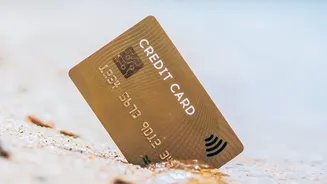
This is where credit cards have a distinct advantage. Issuers build loyalty through a rich ecosystem of rewards, including cashback, air miles, shopping discounts, and access to airport lounges. For larger purchases, these benefits can add up to significant savings. For instance, a card might offer 5% cashback on online shopping or reward points that can be redeemed for flights and hotel stays. UPI payments linked directly to a bank account typically offer limited rewards, though some apps provide occasional scratch cards or small cashbacks. However, using a RuPay credit card via UPI can allow you to earn rewards on even small, everyday transactions where physical cards may not be accepted.
The Cost of a Transaction
For consumers, most UPI transactions are free. While a Merchant Discount Rate (MDR) has been introduced for some high-value UPI transactions, this cost is meant to be borne by the merchant, not the customer. Credit cards also involve an MDR paid by the merchant, which is typically higher than the UPI rate. The direct cost to a credit card user comes from annual fees (though many are waivable) and, most importantly, high interest charges if the bill is not paid in full by the due date. UPI, being a direct debit from your account, carries no such risk of accumulating debt.
Building Your Financial Future
Responsible credit card usage is a powerful tool for building a credit history. Every time you make a purchase and pay your bill on time, it's reported to credit bureaus, which helps build a positive credit score. A strong score is crucial for securing future loans for a car, home, or business. UPI transactions, since they are debit transactions from your bank account, do not contribute to your credit history. For those new to credit or looking to improve their score, disciplined use of a credit card—even for small purchases paid off promptly—can be highly beneficial.
Security and Purchase Protection
Both payment methods have robust security features. UPI transactions are secured with a PIN, while credit cards use a combination of PIN, CVV, and OTPs for verification. However, credit cards often offer an extra layer of protection for shoppers. Many cards come with fraud liability protection, which limits your financial loss if your card is used without authorization. Some premium cards also offer purchase protection, insurance against damage or theft of items bought with the card, and easier chargebacks in case of a dispute with a merchant. UPI fraud is a concern, often happening through phishing scams, and reversing a mistaken transaction can be difficult.
The Rise of Credit on UPI
A new development is the 'Credit Line on UPI', a feature where banks can offer a pre-sanctioned credit facility directly through UPI. This functions like a virtual credit card, allowing users to make payments on credit without a physical card by drawing from an approved limit. This innovation further blends the instant nature of UPI with the 'pay later' functionality of credit, aiming to offer even more flexibility to consumers directly within their favorite payment apps.