






A sobering new report released during a UN climate meeting in Türkiye sends a stark message: global efforts to fight climate change have effectively stalled for five years, placing the critical 1.5°C warming limit in grave jeopardy.
A Five-Year Standstill
According to the independent
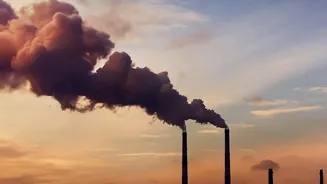
Climate Action Tracker report, progress on reducing global emissions has flatlined. While the first five years after the 2015 Paris Agreement saw projected warming decrease by a full degree Celsius, the last five have shown no improvement. This stagnation means that positive steps, such as the rapid deployment of renewable energy in countries like India and China, are being cancelled out by continued investment in fossil fuels and rising energy demand. The result is a dangerous stalemate. With current policies, the world is on a trajectory for 2.7°C of warming by 2100, a slight increase from previous projections. Even if all countries fulfil their current pledges, warming would still reach a devastating 2.6°C.
The 1.5°C Goal Is Now Unavoidable 'Overshoot'
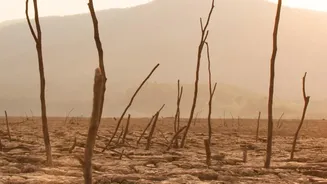
For the first time, major UN-backed reports are stating that limiting global warming to 1.5°C without at least temporarily overshooting the target is no longer achievable. This threshold, central to the Paris Agreement, is considered a crucial guardrail to prevent the most catastrophic and irreversible climate impacts, such as the collapse of coral reef systems and ice sheets. The new focus for policymakers is to ensure this 'overshoot' is as short and as limited as possible, with the goal of bringing temperatures back down below 1.5°C by the end of the century. However, every fraction of a degree and every year spent above this limit dramatically increases risks, from deadly heatwaves and floods to permanent economic damage.
Why This Matters for India
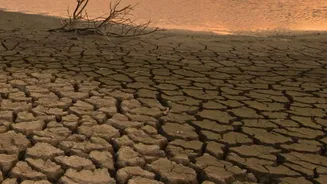
For India, a nation identified as one of the most vulnerable to climate change, the implications of stalled global action are profound and immediate. The country is already battling more frequent and intense heatwaves, unpredictable monsoons, and devastating floods, which threaten agricultural output, economic stability, and human lives. The climate crisis could cost India up to 10% of its national income and push millions into poverty. Stalled global progress puts additional pressure on India's own ambitious climate goals, which include reducing emissions intensity and expanding non-fossil fuel energy capacity. Furthermore, marginalised communities, whose livelihoods are often directly tied to the climate, face disproportionately high risks from extreme weather and occupational heat exposure.
A Narrow Path Forward
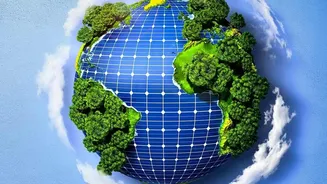
The report is not a message of defeat, but an urgent call for accelerated action. To limit the overshoot to a peak of 1.7-1.8°C, global greenhouse gas emissions must be slashed dramatically: by 18% by 2030 and 45% by 2035, compared to 2025 levels. This requires a monumental effort. Key levers identified include a rapid transition away from all fossil fuels, a tripling of renewable energy capacity by 2035, and a sharp cut in methane emissions. The reports also stress that developed nations must deliver on climate finance to help developing countries like India adapt to impacts and fund their green transitions. The G20 nations, which account for about 76% of global emissions, are singled out as having a special responsibility to lead this charge.