



The Pose Unveiled
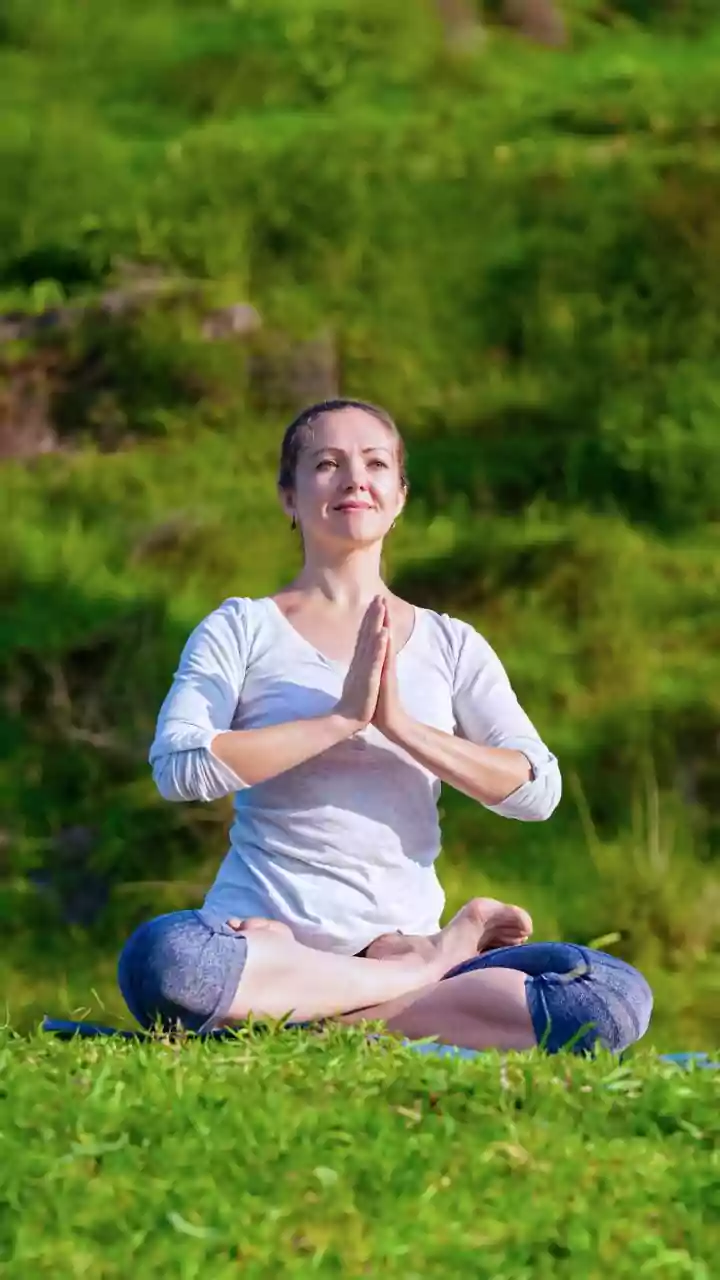
Gupta Padmasana, which translates from Sanskrit as 'Hidden Lotus Pose', is an advanced yoga posture that combines deep flexibility with balance and control. It begins in the classic Padmasana (Lotus Pose), where each foot is placed on the opposite thigh.
From there, the practitioner leans forward, resting their chest and chin on the floor. The final expression of the pose involves clasping the hands behind the back, creating a profound stretch across the shoulders and chest. Because the body conceals the intricately crossed legs, the lotus is 'hidden'. This is not a posture for the casual practitioner; it demands significant openness in the hips, knees, and ankles, which takes years of dedicated practice to develop safely.
More Than Just a Stretch
The physical benefits of the Hidden Lotus Pose are extensive. It offers a deep stretch that improves mobility in the hips, pelvis, knees, and ankles. The binding of the arms behind the back works to engage the shoulders and wrists while opening up the chest. This can be particularly beneficial for counteracting the rounded shoulders and poor posture that often result from long hours spent sitting at a desk. Beyond the physical, Gupta Padmasana is a pose of introspection. The forward-folding nature encourages a withdrawal from external senses, fostering a state of deep stillness and focus, making it a preparatory pose for meditation. It is also said to stimulate the abdominal organs, aiding digestion.
Why This Isn't For Everyone
As with any advanced yoga asana, there are significant risks if the pose is attempted without proper preparation or awareness. Forcing the legs into Lotus Pose can place tremendous strain on the knee joints, potentially leading to meniscus tears or other ligament injuries. Similarly, individuals with existing hip, shoulder, or neck injuries should avoid this posture entirely. Even for experienced yogis, it's crucial to listen to the body's signals and not push through pain. For many, the ability to perform a full Lotus Pose is limited by their unique bone structure, meaning it may not be accessible regardless of flexibility. Safe practice always prioritises mindful movement over achieving a specific shape.
The Path to Advanced Poses
Achieving a posture like Gupta Padmasana is a journey, not a destination. The path involves consistent practice of preparatory poses that build the necessary flexibility and strength over time. Foundational hip-opening postures like Sukhasana (Easy Pose), Baddha Konasana (Bound Angle Pose), and Ardha Padmasana (Half Lotus Pose) are essential starting points. These poses gradually encourage the external rotation in the hips required for the full Lotus. Building shoulder flexibility through poses with arm binds is also key. The real lesson from advanced practitioners like Shilpa Shetty is not about replicating the pose tomorrow, but about embracing the process with patience and discipline.
A Symbol of Dedication
Shilpa Shetty's approach to wellness has always emphasized consistency, balance, and making fitness a sustainable lifestyle. She views yoga not as a trend, but as a holistic practice for the mind and body. Her ability to perform Gupta Padmasana is less about innate flexibility and more a testament to years of dedicated, mindful practice. She has often spoken about yoga's role in maintaining mental focus and balance in her life. This achievement serves as an inspiration, reminding us that the goal of yoga isn't to force the body into extreme shapes, but to cultivate a deeper connection with ourselves through consistent effort and self-care.