


Embrace a 'One In, One Out' Mentality
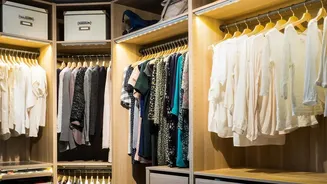
One of the quickest ways small spaces become overwhelmed is through slow, steady accumulation. To combat this, make a simple rule: every time a new non-consumable item comes into your home, a similar item must leave. Buying a new coffee mug means donating
an old one. A new pair of shoes replaces a worn-out pair. This habit forces you to assess your belongings regularly and prevents the sheer volume of your possessions from growing beyond what your space can handle. It turns decluttering from a dreaded annual chore into a continuous, manageable process.
Master the Daily 10-Minute Tidy
Consistency is more powerful than intensity. Instead of letting messes pile up for a weekend cleaning marathon, dedicate just 10 minutes every evening to a quick reset. This isn't deep cleaning; it's maintenance. Put away the mail, wipe down the kitchen counter, fluff the sofa cushions, and put things back where they belong. A short, focused burst of tidying prevents small messes from snowballing into overwhelming chaos, keeping your home in a constant state of 'almost clean' and making deeper cleans much faster.
Think Vertically, Not Just Horizontally
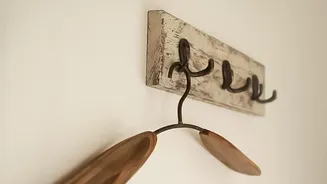
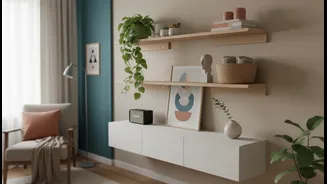
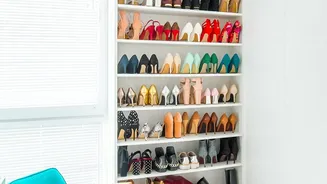
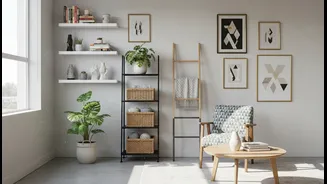
In a small rental, floor space is precious. The most effective way to create more room is to draw the eye upward and use your walls. Since you can't install permanent fixtures, lean into rental-friendly solutions. Tall, narrow bookshelves create storage without a large footprint. Over-the-door organisers are perfect for shoes, toiletries, or pantry items. Use adhesive hooks and strips to hang everything from kitchen utensils to jewellery, clearing up valuable drawer and counter space. This habit trains you to see unused vertical surfaces as storage opportunities.
Give Everything a 'Home'
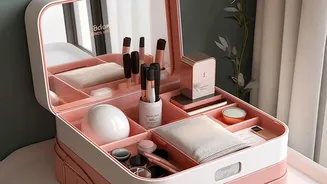
Clutter is often just the result of items that don't have a designated storage spot. The habit to build here is assigning a specific 'home' for everything you own and being disciplined about returning items there after use. Keys go in a bowl by the door, remote controls live in a specific tray, and chargers have a dedicated drawer. When everything has a logical place, tidying up becomes a simple act of returning things home, rather than a frustrating puzzle of where to shove things. This is especially crucial in shared spaces to maintain order.
Choose Furniture With a Double Duty
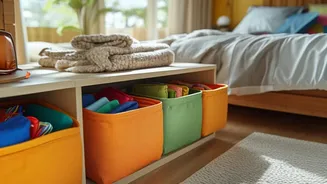
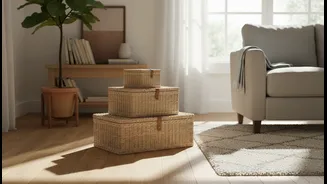
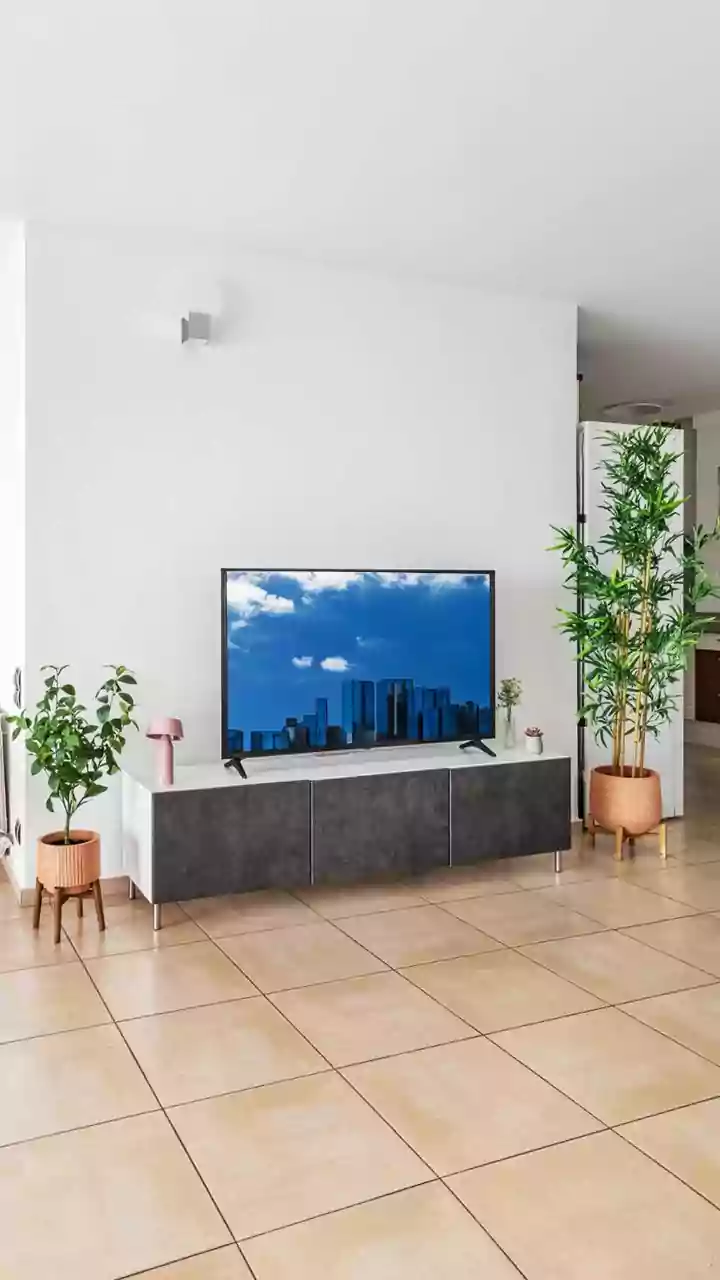
Make your furniture work harder for you. When living in a tight space, every piece should serve a purpose, and ideally more than one. Opt for an ottoman with hidden storage for blankets, a bed frame with built-in drawers underneath, or a coffee table that lifts to become a desk. Even small additions like nesting tables can provide extra surfaces when you need them and tuck away neatly when you don’t. The habit here is to think strategically about every large item you bring into your home, prioritising multi-functionality to maximise utility without sacrificing space.
Declutter by Category, Not Just by Room
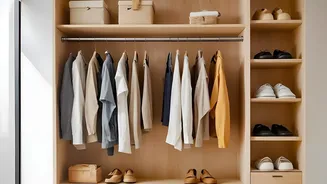
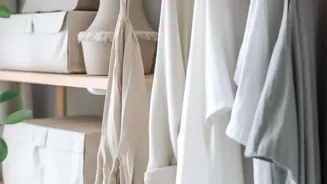
Tackling an entire room can feel daunting. A more effective habit is to declutter by category. For example, spend one weekend gathering every single book you own into one pile. Go through them, decide what to keep, and then return them to the shelves. The next weekend, do the same with clothing, then electronics, and so on. This approach gives you a realistic sense of how much you have of any one thing and makes it easier to spot duplicates and excess. It’s a systematic way to reduce your belongings without turning your entire apartment upside down at once.