





The Undeniable Pull of Wholesale
Let’s be honest: who doesn’t love a good bargain? The logic of bulk buying is simple and powerful. By purchasing larger quantities, the per-unit price drops, leading to significant savings over time. Walk into any wholesale club or the bulk section of a supermarket,
and you are greeted with towering stacks of essentials—five-litre oil cans, 10-kilogram bags of atta, and family-sized packs of everything from biscuits to floor cleaner. For a family, the math seems obvious. These savings can add up to thousands of rupees over a year, freeing up cash for other priorities. Beyond the direct financial benefit, there is a psychological reward. It feels smart and proactive to be well-stocked, reducing the mental load of frequent trips to the local kirana store. You are not just buying goods; you are buying convenience and peace of mind, knowing you will not run out of dal in the middle of a busy week. This feeling of being a savvy, prepared household manager is a powerful motivator that keeps us filling our carts.
Calculating the True Cost: Space Is Money
Here is where the calculation gets tricky for the urban dweller. In cities like Mumbai, Delhi, or Bengaluru, residential space is the ultimate luxury. Every square foot of your home has a real, tangible monetary value. When you dedicate a corner of your kitchen or a portion of your balcony to storing a massive bag of rice, you are effectively paying rent on that storage space. Consider this: a large 25 kg sack of grain can easily occupy two square feet of floor space. In a city like Mumbai, where property can cost upwards of ₹28,000 per square foot, you are using over ₹50,000 worth of real estate to store that grain. Is the wholesale discount of a few hundred rupees worth giving up that expensive corner? This ‘space cost’ is not just financial; it is also psychological. A home cluttered with oversized packages can feel smaller, more cramped, and less peaceful. The visual noise created by stacks of supplies can negate the very sense of comfort and sanctuary your home is meant to provide. Suddenly, that great deal on toilet paper does not seem so great when it is threatening to take over your spare room.
A Smart Shopper's Guide to Going Big
So, should you abandon bulk buying altogether? Not necessarily. The key is to be strategic. The goal is to find the sweet spot between saving money and saving space. A simple framework can help. First, consider the item’s footprint. Non-perishables that are compact are excellent candidates for bulk buying. Think spices, soap bars, toothpaste, or coffee powder. These items offer good savings without demanding a lot of storage real estate. Second, think about consumption rate. How quickly will your household use the item? Buying a year’s supply of something you only use occasionally may not be wise, as it will just sit there collecting dust. However, items you use daily, like rice or lentils, might be worth it if you have the right storage. On the other hand, it is often best to avoid buying bulky, awkwardly shaped items in large quantities. This includes things like disposable diapers, paper towels, and large plastic bottles of soft drinks. The space they consume often outweighs the monetary savings. Also, be wary of buying items with a limited shelf life in bulk, such as certain oils, whole-wheat flour, and brown rice, which can go rancid.
Reclaiming Your Space with Clever Storage
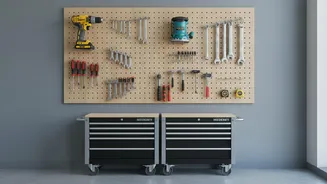
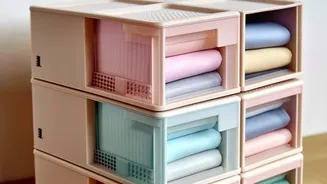
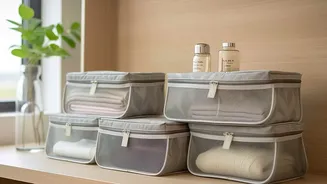
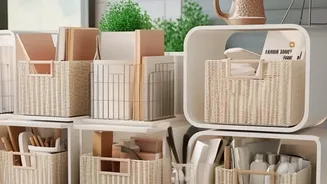
If you decide that bulk buying is right for you, smart storage is your best friend. The trick is to think vertically and creatively. Instead of letting supplies colonise your floor, use wall space. Installing tall, slim pantry cabinets or floating shelves can create enormous storage capacity without sacrificing your living area. Look for furniture that does double duty. An ottoman with a hollow centre can store extra blankets or snacks, while a bed with built-in drawers is perfect for stashing seasonal clothing or extra linens. Under-utilised areas are goldmines for storage. Use wheeled containers that can easily slide under your bed or sofa. Invest in good quality, airtight containers to decant bulk goods. A dozen small, stackable containers for grains and pulses take up far less space and look much tidier than a collection of half-open sacks. By organising your bulk purchases properly, you can enjoy the financial benefits without letting them overwhelm your home.